
Traffic near Cape of Good Hope doubles without benefiting South African ports — OilPrice
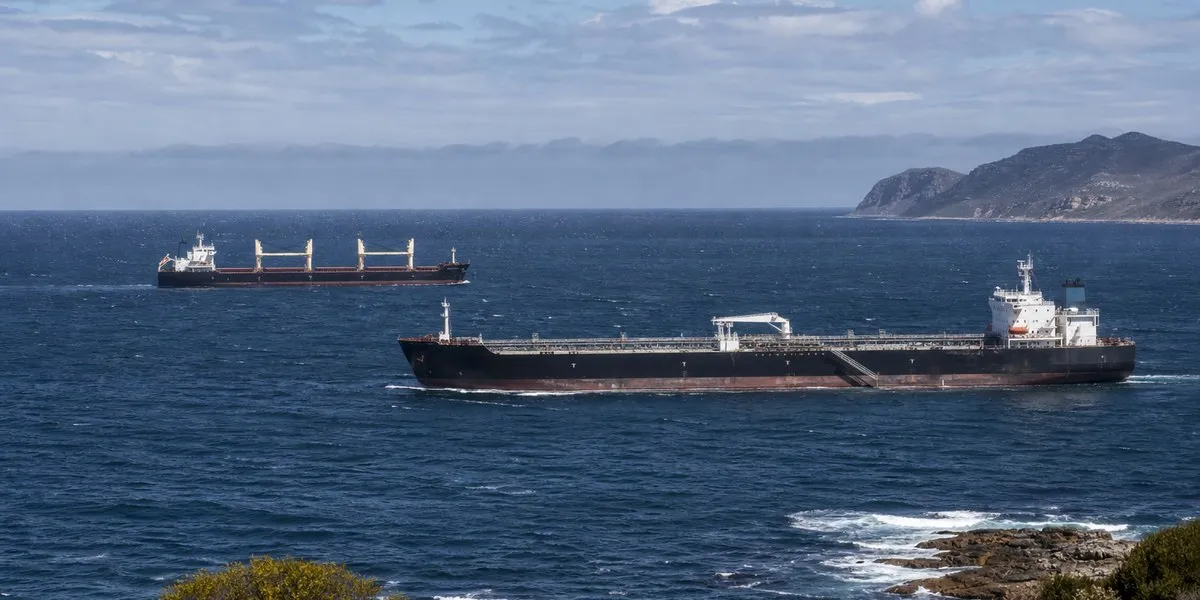
Shipping traffic around South Africa’s Cape of Good Hope has doubled after carriers began rerouting due to a sharp reduction in transit through the Strait of Hormuz. At the same time, the ports of Durban and Cape Town have not received the expected increase in vessel calls, bunker fuel sales, repair services and other maritime services, OilPrice reports.
According to the publication, traffic through the Strait of Hormuz has fallen to a minimum over seven months. OilPrice claims that Iran has effectively blocked this sea route following US and Israeli attacks, while major shipping companies began diverting cargo vessels and tankers around southern Africa after the war began in February.
A longer and more expensive route
The route around South Africa is approximately 5,000 miles longer than the usual routes through the Middle East and the Suez Canal. It can add up to 14 days of travel time and more than $1 million in fuel costs per voyage. As a result, carriers seek to avoid additional stops and head directly to ports in Europe or Asia.
Shipowners’ decisions are also affected by operational problems at South African ports. In the global Container Port Performance Index (CPPI), jointly published by the World Bank and S&P Global Market Intelligence, Cape Town ranked last among 400 assessed ports, while Durban ranked 398th.
More current news is available on the UA.News Telegram channel Telegram.
Ports and security costs
The World Bank links Cape Town’s low ranking to seasonal strong winds, equipment failures and low berth utilization. State logistics operator Transnet, according to OilPrice’s assessment, has faced equipment shortages, aging cranes, limited container capacity and insufficient rail connections for years.
At the same time, Durban was recognized as the world’s most improved port: the share of productive vessel time at berths rose to 76%, while the number of ships waiting at anchor fell from a peak of 20 to zero.
According to OilPrice’s assessment, the larger flow of tankers along South Africa’s coast increases government spending on maritime surveillance, search-and-rescue operations and emergency response. The publication also notes risks of piracy and possible spills of oil, fuel or liquefied natural gas.




