
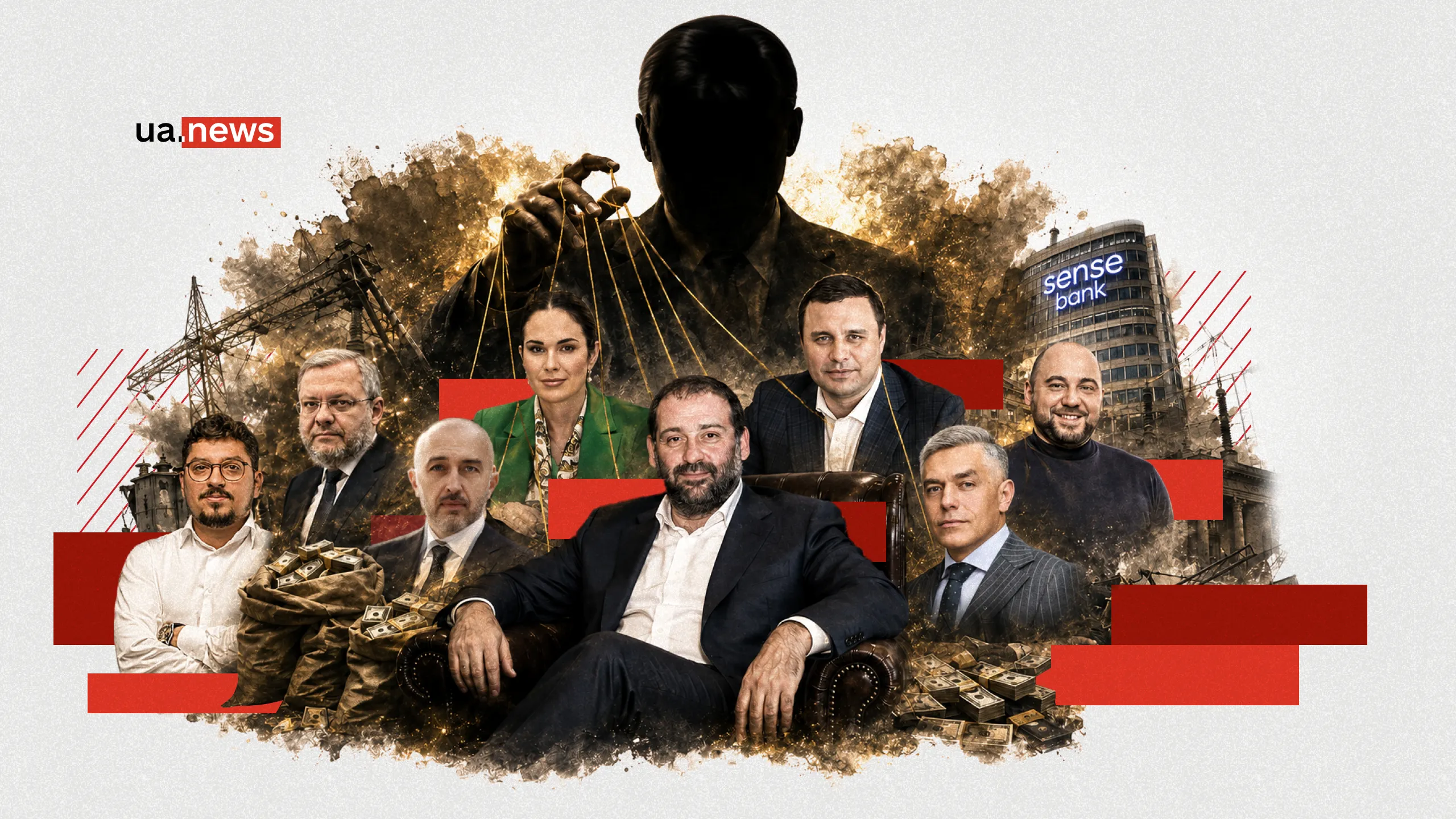
The Continuation of Operation “Midas”: Mudra, Mykyta, Sens Bank, and Other Corruption Cases
28 August 2026 17:00The anti-corruption saga, which began with the public phase of Operation “Midas” in November 2025, has recently seen a new development. The National Anti-Corruption Bureau (NABU) and the Specialized Anti-Corruption Prosecutor’s Office (SAPO) announced the results of new investigations—“Forest Gump” and “Themis.”
As in the previous season, the cases involved hundreds of millions in cash that corrupt officials carried around in suitcases or sacks; real estate; off-the-books accounting and money laundering schemes, and even a new, unexpected duo—last time it was former ministers Herman Halushchenko and Svitlana Hrynchuk, and this time—former deputy head of the Office of the President (OP) Iryna Mudra and former MP Maksym Mykytas.
The latest corruption scandal revolved around the collection of 150 million hryvnias in bail for former Minister Herman Galushchenko, who was arrested in connection with a case of embezzlement at Energoatom. Another episode involved large-scale corporate raiding, manipulation of the courts, and the seizure of businesses and real estate worth hundreds of millions of hryvnias.
NABU and the Special Anti-Corruption Prosecutor’s Office (SAPO) claim that a criminal organization, which included high-ranking officials, was behind all of this. It appears that its stability was ensured by a system of mutual cover-ups—none of the law enforcement or regulatory agencies, nor the National Bank, nor the State Financial Monitoring Service, reported any suspicious movement of funds that were “laundered” through the state-owned Sens Bank. In essence, the regulators themselves may have been part of this corrupt scheme.
Top officials were so confident in their impunity that they did not curb their “appetites” even after the “Midas” anti-corruption operation, during which charges were filed against then-government officials and the head of the Office of the President, Andriy Yermak.
All of this might seem intriguing were it not for the fifth year of full-scale war, the devastated energy sector on the eve of the “harshest” winter in Ukraine’s history, and a state budget deficit of nearly 2 trillion hryvnias.
UA.News has compiled the key details about the new corruption cases and the individuals suspected of embezzlement and corporate raiding.

Case One: “Forest Gump” and “Themis”
On August 19, the National Anti-Corruption Bureau of Ukraine (NABU) and the Specialized Anti-Corruption Prosecutor’s Office (SAPO) announced the exposure of a criminal organization that included top officials from Bankova Street, former members of parliament, and other individuals. Through the state-owned Sens Bank, the suspects organized the laundering of 150 million hryvnias. This money was deposited as bail for former Minister Herman Galushchenko, who was arrested as part of Operation “Midas.”
As has become customary, NABU released excerpts from audio recordings of the alleged suspects in the case. The special operation was named “Forrest Gump,” a reference to a line from an intercepted conversation about bail for the arrested Galushchenko, who had spent four months in pretrial detention. One of the corrupt officials said: “We’ve got *Saving Private Ryan*, right? Well, only an idiot would put it on his kids’ heads—f**k—stealing money and paying for their education too. That’s why *Forrest Gump*.”
Excerpts from the audio recordings reveal the scale of the embezzlement and a particular management approach that appears to be widespread among government officials at the highest levels of power. For example, in one episode, the individuals involved discuss “four bags” of money brought in for laundering.
In the NABU recording, Irina Mudra—presumably the former deputy head of the Presidential Office—quotes someone as saying: “He says, ‘Look, that’s the wrong approach. Corruption needs to be systematized and controlled.’” Her interlocutor, presumably former MP Mykytas, adds: “And lead it.”
Early that same morning, August 19, investigators from NABU and the Special Anti-Corruption Prosecutor’s Office (SAPO) conducted searches at the homes of MP Vadym Stolar and Deputy Head of the Office of the President Iryna Mudra. She was notified that she was a suspect in a criminal investigation. According to media reports, Vadym Stolar was already abroad.
Later, during hearings at the High Anti-Corruption Court (HACC), a SAPO prosecutor named all the individuals implicated in the case:
Iryna Mudra, former deputy head of the Office of the President.
Former Member of Parliament Maksym Mykytas.
Current Member of Parliament Vadym Stolar.
Deputy Minister of Justice Olena Ferens.
Viktor Dubovyk, Director General of the Directorate for Legal Policy at the Office of the President.
Businessman and former member of the Dnipropetrovsk Regional Council Vasyl Astion.
Former chairmen of the supervisory board and management board of the state-owned Sens Bank, Mykola Hladyshenko and Oleg Stupak.
Lyudmyla Snigur, Head of a Department at the state-owned Sens Bank.
Also included are individuals associated with Mykyta: Valentin Yelizarov, Yegor Merkulov, Oleksandr Ostapenko, and Mykyta Tarkovsky.
According to investigators, in early June, the participants in the scheme gained effective control over Sens Bank and began using it to launder funds. They were notified of their status as suspects under Part 3 of Article 209 of the Criminal Code of Ukraine—laundering of funds obtained by criminal means.
On August 20, the National Anti-Corruption Bureau of Ukraine (NABU) and the Specialized Anti-Corruption Prosecutor’s Office (SAPO) announced a follow-up to this case—the “Themis” special operation. Investigators determined that members of the Verkhovna Rada, as well as high-ranking officials from the Office of the President and the Ministry of Justice, had organized a large-scale corporate raiding scheme.
With the help of hackers, the suspects hacked into state registries, forged documents, and interfered with the work of the courts in order to seize enterprises and real estate worth hundreds of millions of hryvnias.
Prosecutors from the Specialized Anti-Corruption Prosecutor’s Office (SAPO) announced charges against 11 suspects. Over the following days, the High Anti-Corruption Court (HACC) imposed preventive measures in the form of arrest or bail: 30 million hryvnias for Mykytas, his assistant Valentin Yelizarov—20 million, and Viktor Dubovyk, head of the Presidential Office’s Directorate for Legal Affairs—7 million hryvnias.
Episode Two. Iryna Mudra and Maksym Mykytas
The National Anti-Corruption Bureau of Ukraine (NABU) and the Specialized Anti-Corruption Prosecutor’s Office (SAPO) suspect that Iryna Mudra was a member of a criminal organization involved in corporate raiding and money laundering. For this “trail” of crimes, the suspect could face up to 12 years in prison with confiscation of property.
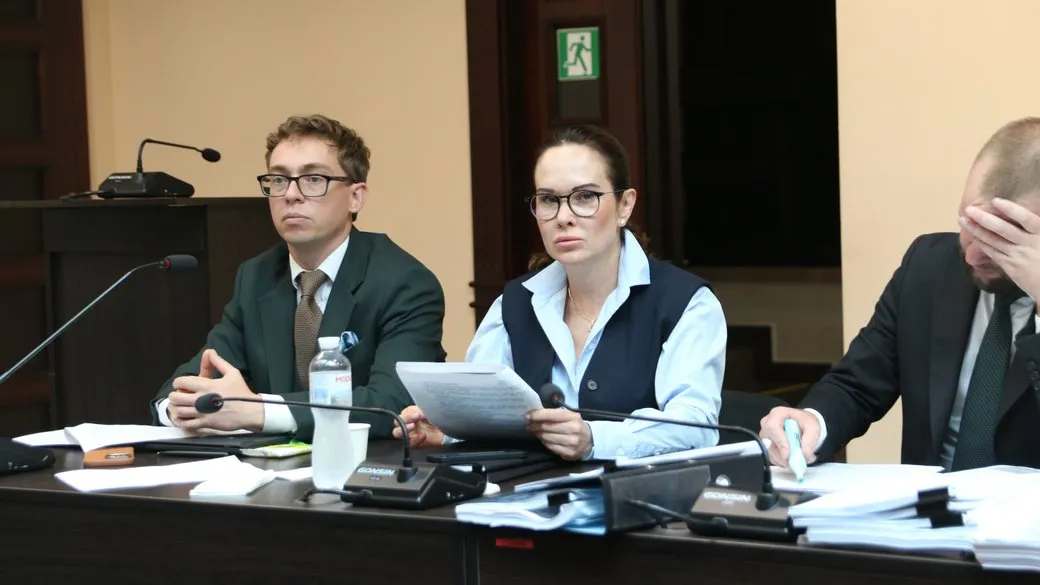
The High Anti-Corruption Court (
VAKS) considered a preventive measure for the former deputy head of the Office of the President during three court hearings: on August 21, 24, and 25. In his motion, the prosecutor from the Specialized Anti-Corruption Prosecutor’s Office (SAPO) insisted on either arrest or bail set at 150 million hryvnias.
The prosecution argued that the former official possesses assets worth millions and is therefore able to pay bail of 150 million hryvnias. To support this, the prosecutor read aloud information from Iryna Mudra’s asset declaration, as well as details about property and funds discovered during searches. Of particular note is a recorded conversation between Mudra and former MP Maksym Mykytas, during which he said he had left her “nearly $4 million regarding Ukrbud.”
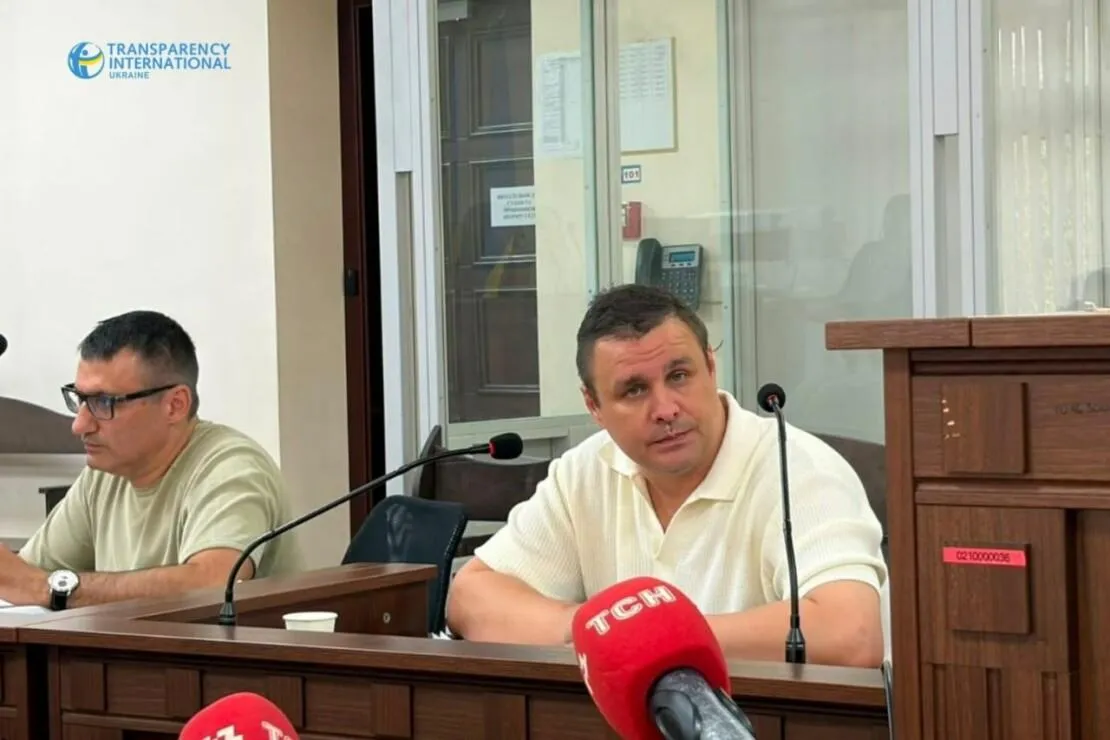
According to the investigation, Mudra received $20,000 of unknown origin each month in addition to her salary. In January 2026, this amount apparently rose to $30,000. Furthermore, according to the investigation’s findings, Mudra “intended to distribute the money to other officials,” specifically Viktor Dubovyk, the general director for legal affairs at the Office of the President.
“All of this indicates that the tens of millions of hryvnias officially declared by Ms. Mudra and, when combined with the matters under discussion, there are grounds to assert that Ms. Mudra may have assets at her disposal in the form of securities, jewelry, vehicles, real estate, and property rights totaling more than 250 million, and therefore we are requesting bail in the amount of 150 million hryvnias,” the SAPO prosecutor concluded.
Perhaps even more shocking were the investigators’ findings regarding the extent of the suspects’ influence on the judicial system. In the recorded conversations, according to the prosecutor, “Ms. Mudra herself effectively confirms the possibility of influencing judicial practice.”
Perhaps the most telling episode illustrating the relationships within the “hierarchy” at the highest levels of power concerned the “selection” of judges for senior positions. In one of the conversations between Mykytas and Mudra, the following exchange took place: “Mykytas says: ‘I told you what to do. He’s ready to come to you and bow down again, get down on his knees—he’s even ready for that… Why did I ask you to call him in so he could swear his loyalty to you once more?”
The SAPO prosecutor explained: the point is that one of the judges intended to be transferred to a higher court, and Ms. Mudra intended to facilitate this transfer.
During the VAKS hearing, Iryna Mudra’s attorneys initially emphasized her “merits” to the state. They recalled that Mudra was responsible at the Office of the President for judicial and legal reform, the creation of a special tribunal for the Russian Federation, and an international mechanism for compensation for damages caused by Russian aggression. Two people vouched for her, including the Chief Rabbi of Kyiv, Yonatan Binyamin Markovich. In the courtroom, he stated that Mudra visited the community to “pray and stay connected with the Almighty.”
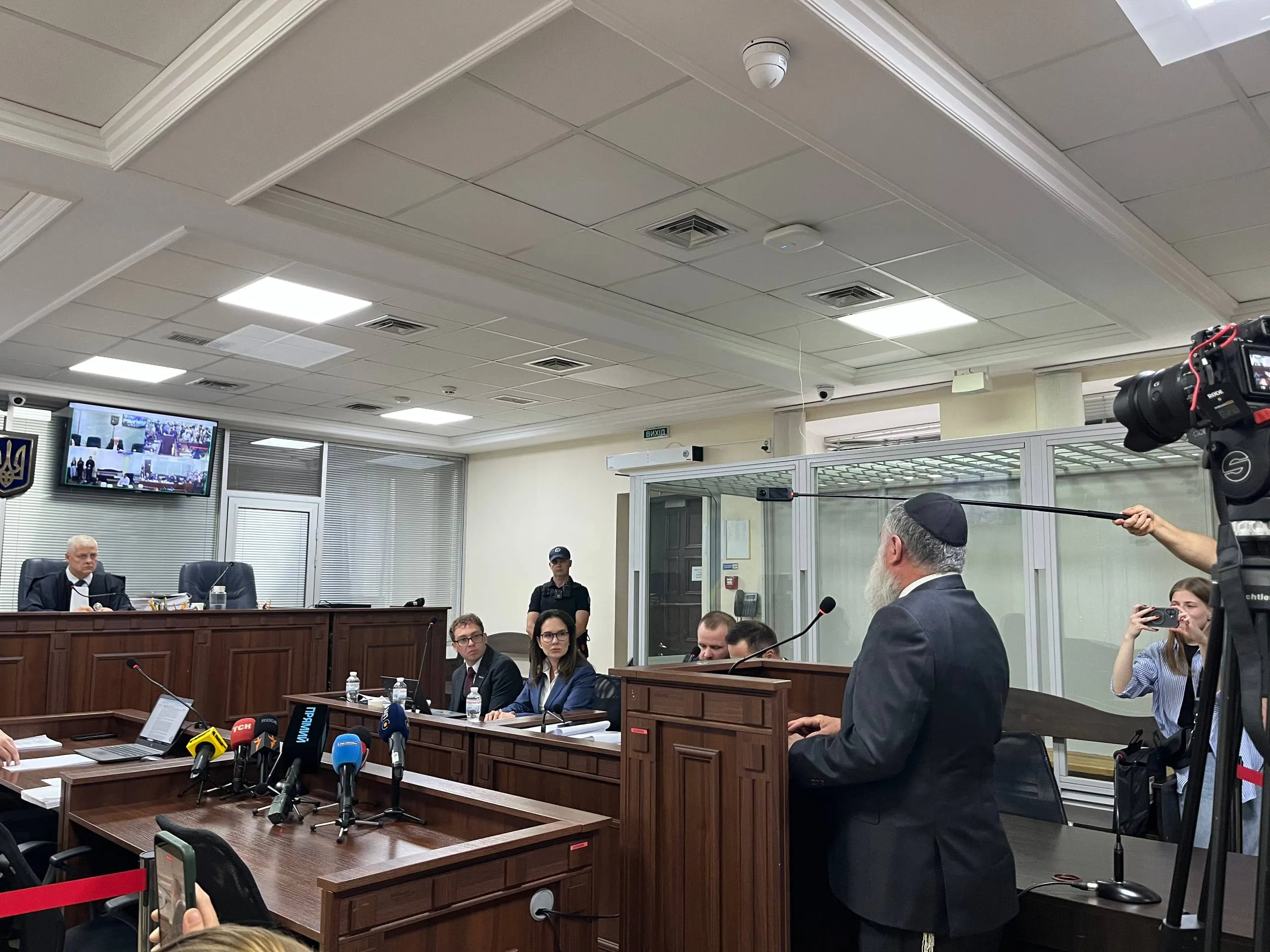
The suspect’s
attorneys insisted that the evidence was insufficient. They argued that the Special Anti-Corruption Prosecutor’s Office (SAPO) did not cite a single payment document signed directly by Mudra herself, nor did it identify the person who proposed raising bail for Galushchenko.
The defense attorneys argued that Mudra herself was almost a victim, since the recordings revealed “pressure” and “coercion” on her part from Mykytas. In her closing statement, the former high-ranking official asserted that she had not received any “$4 million.” Moreover, she hinted that it was Mikitas himself who allegedly recorded her for NABU and the SAP.
“Of the 237 conversations included in this case, 232 were recorded through one person’s microphone. This person was close to me; I trusted her. And every time she spoke with me, she was recording me,” said the suspect, noting that “this very person” has several cases pending with NABU and “has remained free all these years.”
Ultimately, on August 25, the High Anti-Corruption Court (VAKS) ordered Iryna Mudra to be held in pretrial detention for 60 days, with the right to post bail of 20 million hryvnias. The former official immediately acknowledged that raising 20 million hryvnias would not be a problem for her.
“Over the course of my 51 years, I’ve built up a lot of contacts,” she said. Mudra also stated that her attorneys would assess the legal grounds for the court’s decision and file an appeal if necessary.
Episode Three: State-Owned Sens Bank
The top management of the state-owned Sens Bank found itself at the center of the “Forest Gump” special operation. Specifically, these were Supervisory Board Chairman Mykola Hladyshenko and Board of Directors Chairman Oleksiy Stupak.
Gladyshenko formally resigned in May—after the publication of the “Mindich tapes,” in which he was implicated in the appointment of handpicked members to Sense Bank’s supervisory board. However, even after that, he continued to influence the bank’s operations.
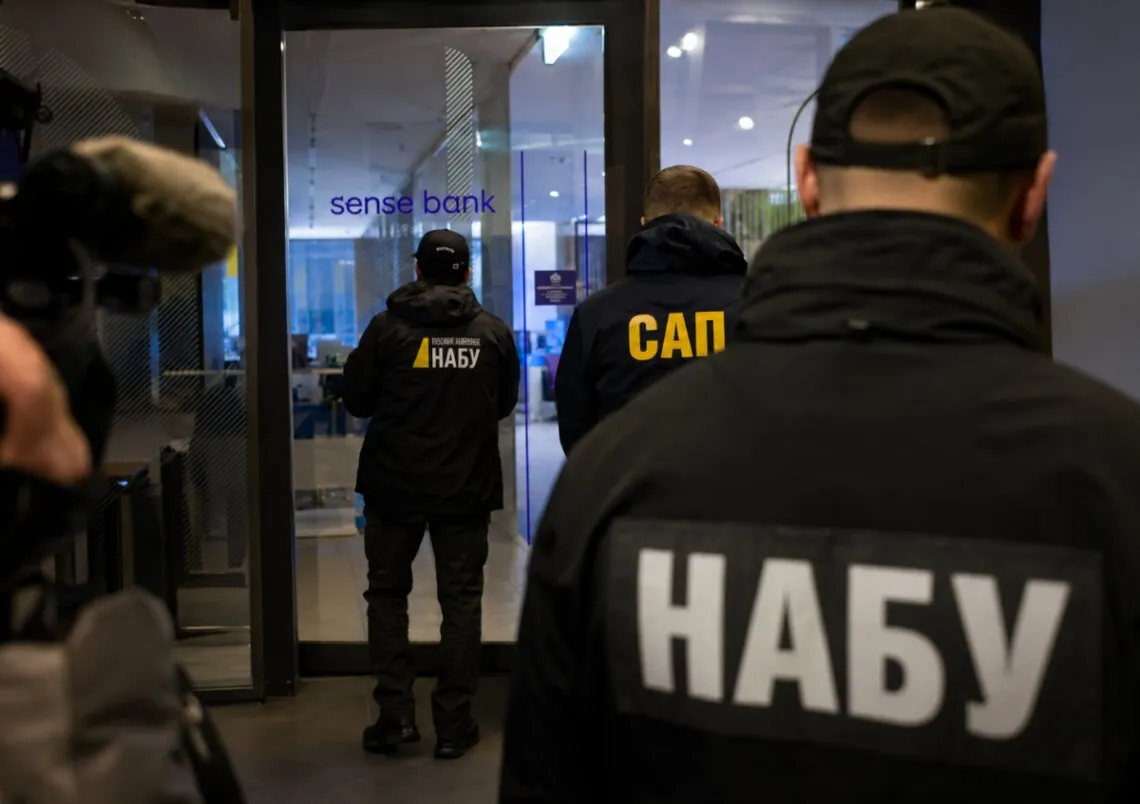
The Sens Bank
scandal quickly expanded beyond the scope of the criminal investigation. The very next day, NBU Governor Andriy Pyshnyy appeared before parliament to explain how a state-owned bank could have found itself at the center of a scheme involving 150 million hryvnias.
Pyshnyy stated that the NBU would conduct an audit of the bank and evaluate the entire composition of its supervisory board. He also demanded that the government permanently suspend Hladyshenko’s powers as chairman of Sens Bank’s supervisory board for six months. On August 21, the Cabinet of Ministers endorsed this decision. It also suspended Oleksiy Stupak, chairman of the management board of Sens Bank, from his duties. On August 25, Sens Bank also announced the temporary suspension of Lyudmyla Snigur, director of the financial monitoring department, from her official duties.
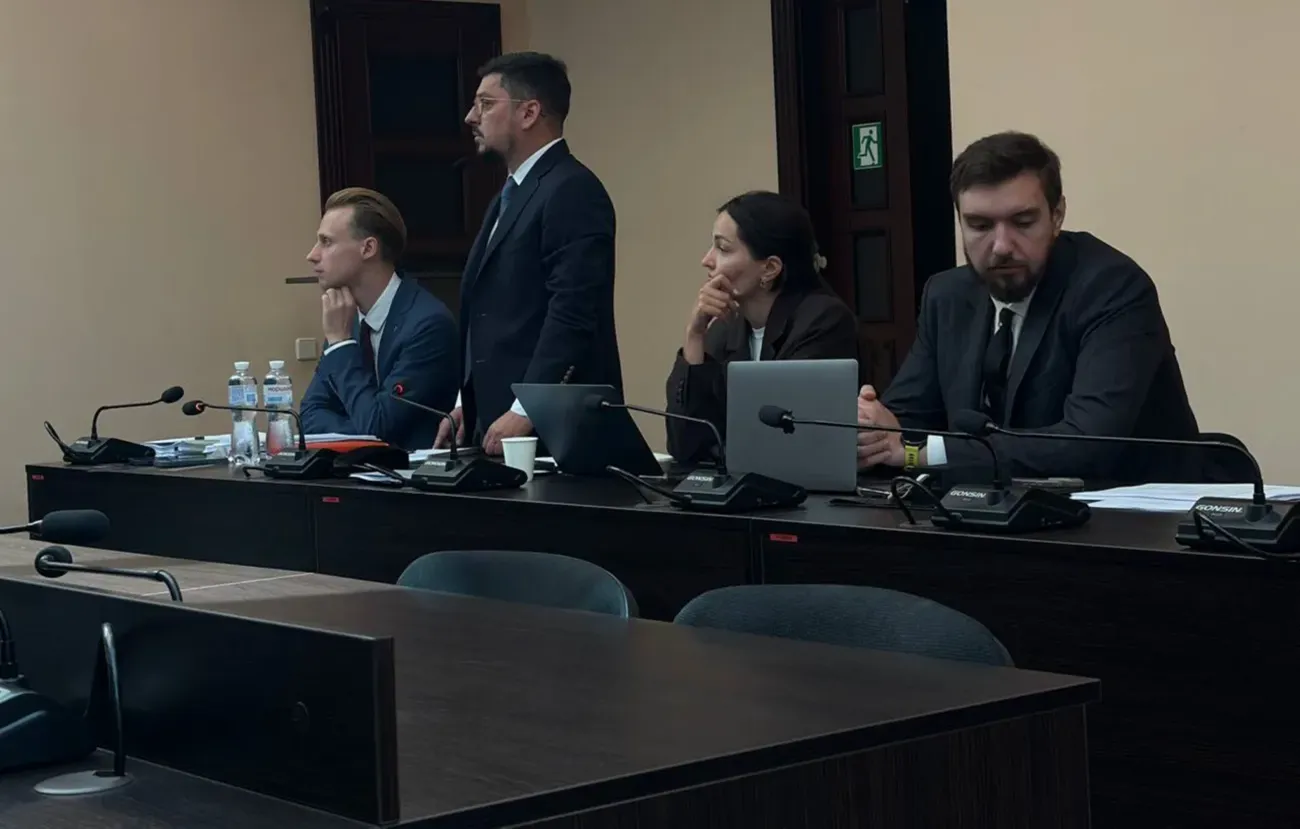
Meanwhile,
Stupak became the subject of a separate case before the High Anti-Corruption Court (VAKS). On August 25, the court considered a motion regarding his pretrial detention. The prosecutor from the Specialized Anti-Corruption Prosecutor’s Office (SAPO) requested that Stupak be remanded in custody with a possible bail set at 150 million hryvnias.
According to the prosecution, Sens Bank’s management was directly involved in organizing the transaction to post bail for former Minister Herman Galushchenko. In particular, Valentin Yelizarov, a subordinate of Maksym Mykytas, met with Stupak to discuss opening accounts, transferring the first 50 million hryvnias, and obtaining a bank statement.
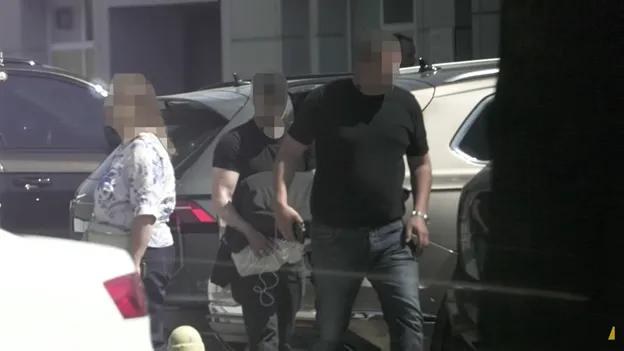
“On June
10, 2026, Ms. Mudra held a meeting with Oleksiy Vitaliyovych Stupak, chairman of the board of JSC ‘Sens Bank,’ and informed him that Sens Bank would be used directly to launder these funds. In fact, Sens Bank agreed to allow Mudra to take direct control over the bank’s operations. Subsequently, on June 13, 2026, Mudra informed Stupak of the need to assist a trusted individual with further financial transactions related to the money laundering scheme. On the same day, Mudra said: “Well, look, Stupak said—it’s better to talk to him, so he’s ready.” Mykytas replied: “Well, then, okay,” the prosecutor noted.
According to the investigation, it was Stupak who provided Mykyta with the contact information for the bank’s head of financial monitoring. Consequently, the transactions were coordinated with financial monitoring staff, to whom the entire sequence of upcoming payments was provided. After that, they were notified of the exact moment when the transaction could be carried out.
According to the investigation, to transfer funds to the State Treasury Service, they planned to artificially disable the automated system that was supposed to route the payment—which involved posting a bond—for an in-depth review.
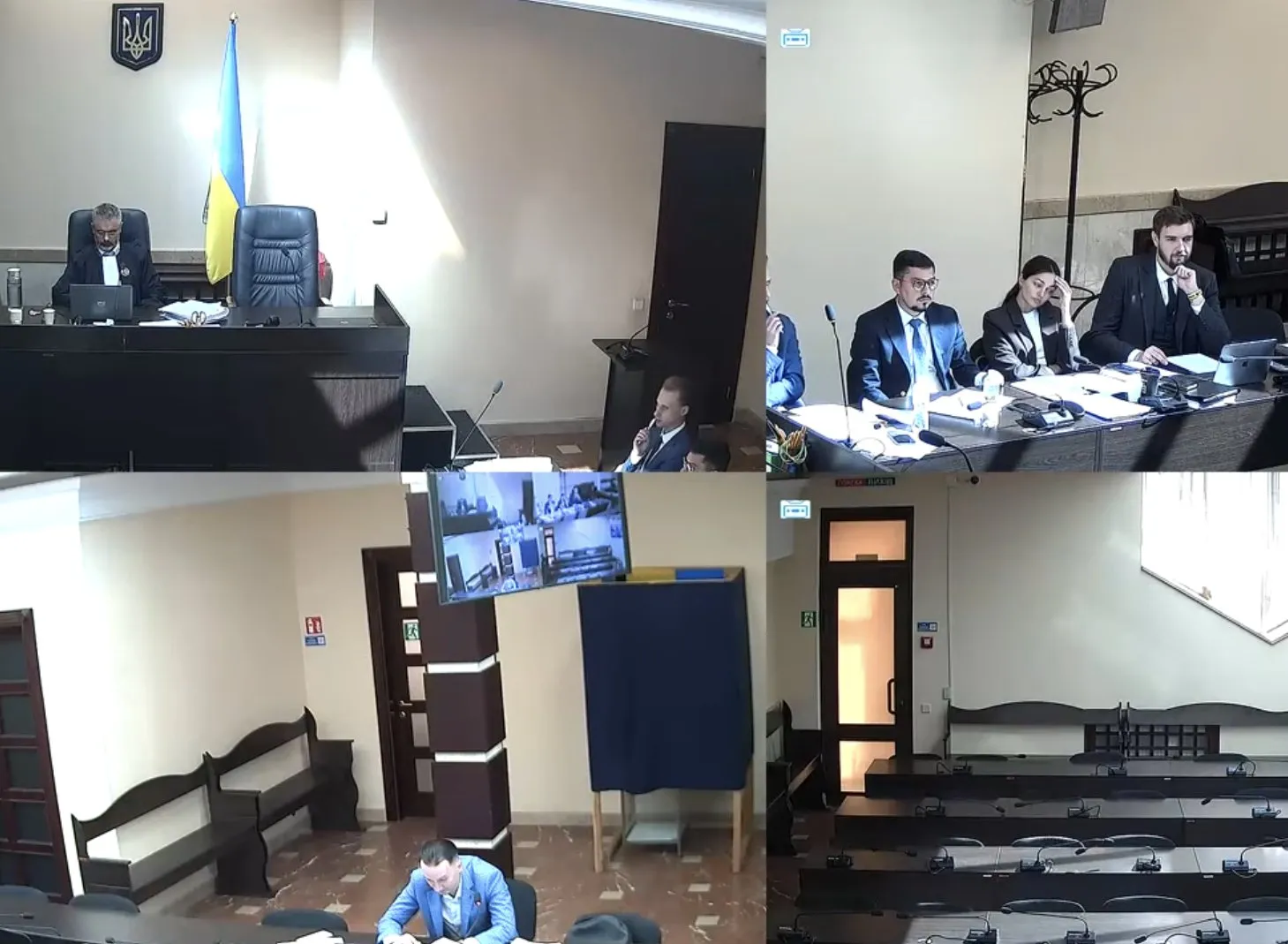
Perhaps the most interesting part of the High Anti-Corruption Court hearing was the reading of new excerpts from intercepted conversations involving Timur Mindich. The recordings indicated that the money for the bail was transferred to former Minister Herman Galushchenko by “a person who is wanted by the authorities and is currently in Israel.” During the HACC hearing, it was also noted that “on June 9, Mindich handed over cash to Mudriy to be used as bail.”
The prosecutor also quoted a conversation in which former MP Mykytas said: “If Mindich is paying—we can also make payments for other, smaller-scale corrupt officials: the channel is already open, and we’re not closing it.”
In another recorded conversation, former Deputy Head of the Presidential Office Mudra says that Sens Bank, headed by Stupak, “is helping not only because it’s her order, but also because it involves Galushchenko and Mindich.”
During the High Anti-Corruption Court hearing, Oleksiy Stupak’s attorneys asked the judge to adjourn the session. They claimed that the suspect’s health had deteriorated sharply and that he required medical attention. Ultimately, the High Anti-Corruption Court announced a recess until September 2.
Episode Four: Andriy Pyshny
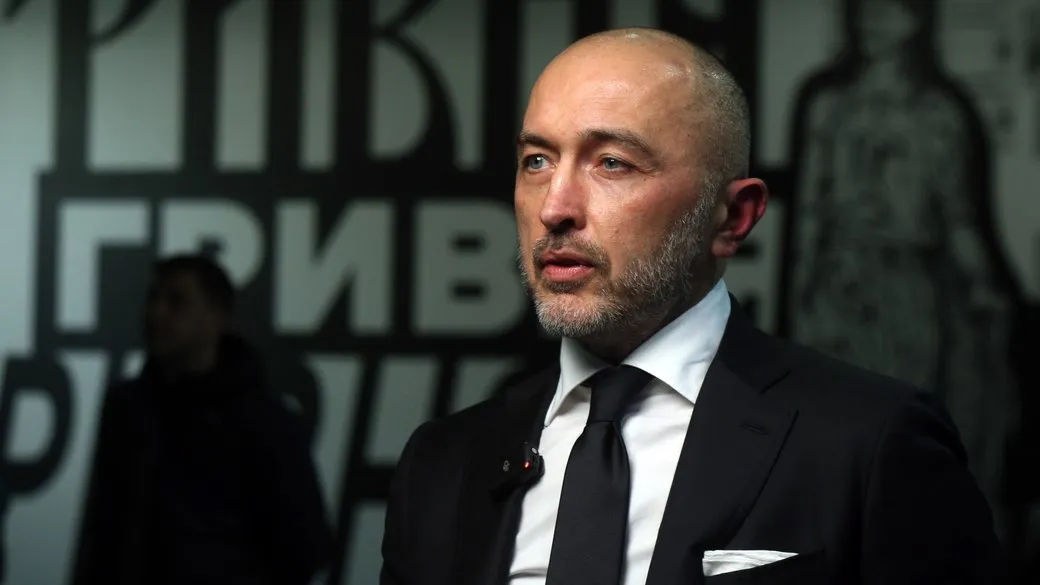
The revealed scale of abuses at Sens Bank raised questions about possible problems within the National Bank of Ukraine (NBU) itself. Danylo Getmantsev, head of the Verkhovna Rada’s Tax Committee, stated outright that Andriy Pyshnyy allegedly knew about the money-laundering scheme at Sens Bank and had failed to take the necessary measures earlier.
The lawmaker also suggested that Iryna Mudra, whom he described as a close associate of Pyshnyy, may have been involved in the scheme, and mentioned his ties to Vasyl Veselyi and six top Sens Bank officials, whom he described aslinked to the head of the NBU.
Separately, Getmantsev accused the NBU leadership of ignoring, in his words, financial monitoring violations at Sens Bank amounting to billions. As a result, the lawmaker demanded Andriy Pyshnyy’s resignation.
Previously, NBU Governor Pyshnyy and representatives of Sens Bank had already appeared in the transcripts of Operation “Midas.” In May 2026, another series of recordings released by the National Anti-Corruption Bureau of Ukraine (NABU) suggested that the state-owned Sens Bank is likely the largest player and a monopoly in the field of acquiring (processing payments) for onlinecasinos, facilitating a significant portion of shadow financial flows.
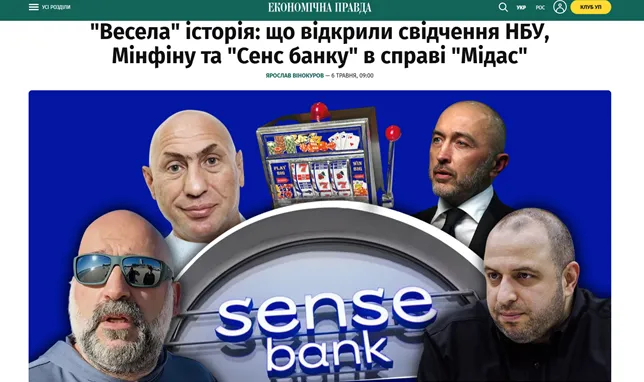
At that time, the head of the Tax Committee, Danylo Getmantsev, expressed outrage over the situation, stating that an organized criminal group had likely been formed within the state-owned bank to help the gambling industry evade taxes.
Getmantsev stated that this was not a matter of isolated incidents, but rather a systemic corrupt scheme operating with the “tacit consent” of the regulator and law enforcement agencies.
“When a bank takes on the role of processing illegal payments for gambling and provides this service to the largest operators, it constitutes one massive corrupt scheme,” the MP emphasized. He added that the bank’s financial monitoring may have facilitated this activity, and that the NBU took no action based on the results of its inspections.
To be continued?
On August 26, Iryna Mudra’s attorney reported that a portion of the bail had already been posted for the former deputy head of the Office of the President, specifying that there were several sureties.
The media also began discussing excerpts from NABU recordings in which a voice, presumably that of Iryna Mudra, can be heard referring to a person named “Kyrylo” and “Kyrylo Oleksiyovych.” One of the excerpts goes as follows: “And if we handle this nicely right now—you have no idea—we’ll do it for a ruble. He’s responsible for a million. I’m talking about Kirill Oleksiyovych… He’s doing Mindich a huge favor right now. And he brought the money, by the way. Mindich handed it to him personally.”
According to media reports, investigators believe he is the organizer of a money-laundering scheme allegedly led by Iryna Mudra. At the same time, journalists do not rule out that the suspect, a former official, has agreed to a deal with investigators.
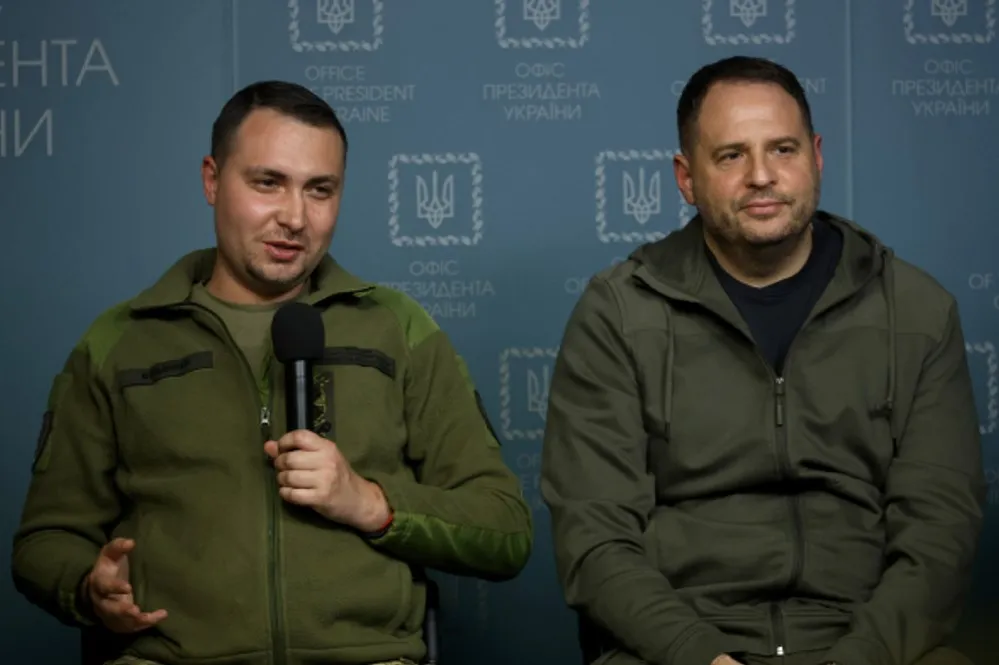
As a reminder, Iryna Mudra served as deputy head of the Office of the President during Andriy Yermak’s tenure, and after his dismissal, she served as Kirill Budanov’s deputy.




