
Bulgaria's new government plans to halt arms supplies to Ukraine — Bloomberg
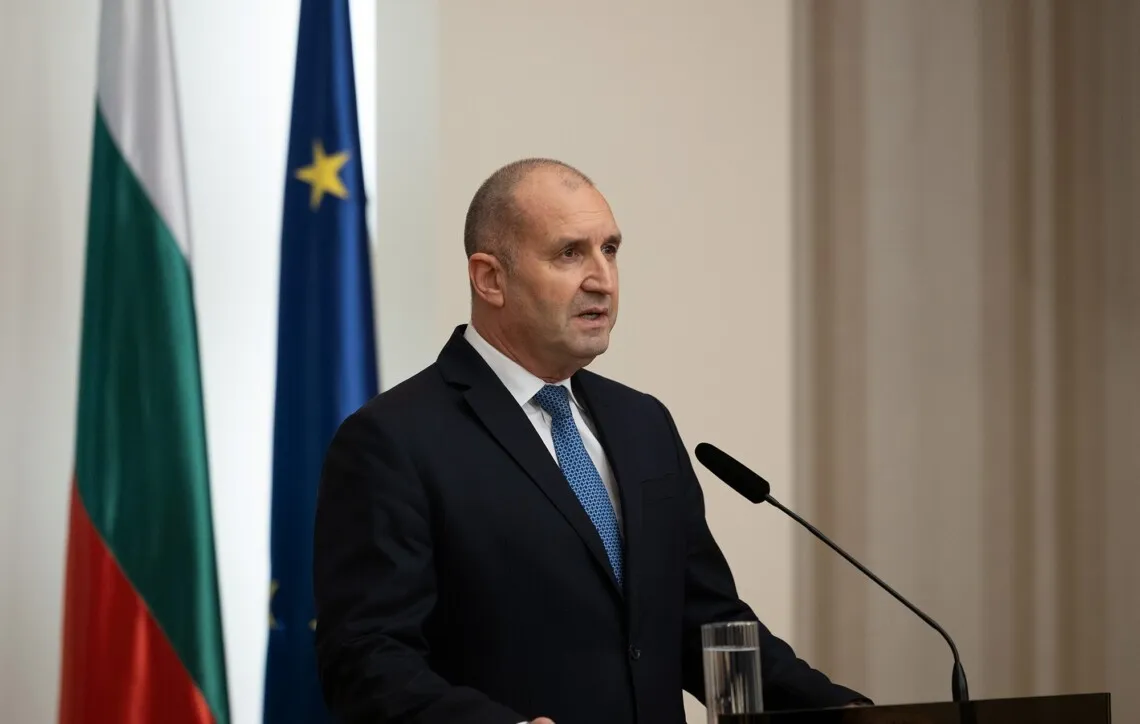
Bulgaria's new government intends to halt arms supplies to Ukraine, a move that could run counter to the European Union's efforts to support Kyiv and increase pressure on Russia.
Bloomberg reports this.
Bulgarian Defense Minister Dimitar Stoyanov stated that Ukraine needs “more people, not more weapons,” and also spoke in favor of achieving a “just peace,” which should be formed with the participation of both sides of the war.
According to the publication, this position aligns with the views of the new Prime Minister, Rumen Radev, who has previously spoken out against military support for Ukraine on multiple occasions and stated that the war will not end on the battlefield.
Bulgaria is one of the largest producers of Soviet-style ammunition in the European Union. At the start of the full-scale war, such products played an important role in supplying the Ukrainian army. Although Sofia did not provide direct military aid for a long time, Bulgarian-made ammunition reached Ukraine via exports to other EU countries.
As Bloomberg notes, since 2022, Bulgaria has delivered 13 military aid packages to Ukraine, though their contents and value have not been officially disclosed.
Radev, who previously served as president of Bulgaria, has also advocated for lifting sanctions against Russia, believing they negatively impact the economies of European countries.
Source: Bloomberg.
In Bulgaria, the winners of the parliamentary elections have been granted the right to form a new government, and the mandate to do so has been handed over to Rumen Radev. The politician had previously been the target of international criticism due to his statements regarding occupied Crimea. His party won a majority in parliament, effectively paving the way for the formation of a cabinet.
In Bulgaria, parliament approved a new government led by former President Rumen Radev, which immediately sparked political controversy within the country. The decision was passed by a majority vote, despite criticism from the opposition and the reserved stance of some lawmakers.


