
Germany, Norway, and Canada plan to build a submarine fleet
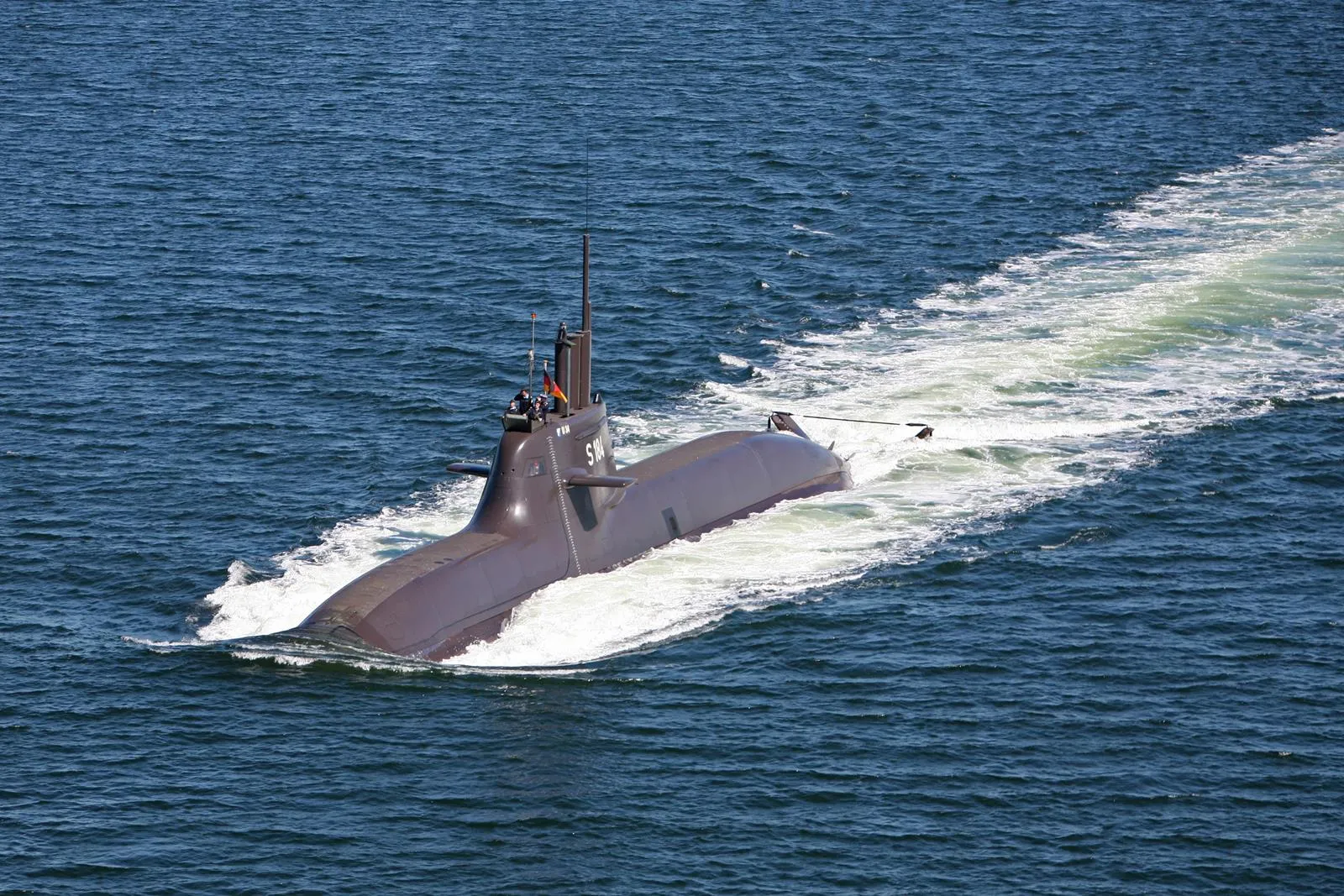
Germany, Norway, and Canada are considering the possibility of jointly creating the world’s largest and most advanced fleet of conventional submarines. The project involves the construction of up to 24 Type 212CD submarines.
German Defense Minister Boris Pistorius announced this during his official visit to Canada, according to a press release from the German Defense Ministry.
The focus of the talks in Ottawa was a joint proposal from Berlin and Oslo to sell Canada new-generation submarines as part of the large-scale Canadian Patrol Submarine Project. Boris Pistorius emphasized that these submarines are unique in their characteristics and virtually invisible to potential adversaries. Thanks to their air-independent propulsion (AIP) system, they are capable of performing missions underwater for extended periods without surfacing, which is a critically important advantage for patrolling in the challenging conditions of the Arctic and the Far North.
In addition to purely military reinforcement of NATO’s maritime capabilities, the German-Norwegian initiative includes a robust economic package involving significant investments. The German Ministry of Defense emphasized that the allies share common strategic security interests in the North Atlantic, where they are already actively cooperating within the framework of the NATO Arctic Sentry mission and bilateral partnerships. This new large-scale project is designed to transform this cooperation into a long-term strategic alliance for the reliable defense of the Arctic region.
As reported, German Defense Minister Boris Pistorius began a working visit to Canada on Tuesday, with the main goal of convincing Ottawa to select the German manufacturer TKMS to supply 12 Type 212CD submarines as part of a €30 billion project.
The Australian government has officially confirmed its intention to allocate 3.9 billion Australian dollars (approximately $2.76 billion) to build a state-of-the-art shipyard for submarine construction.


