
Russian ship Ursa Major, sunk, was carrying nuclear reactors to North Korea
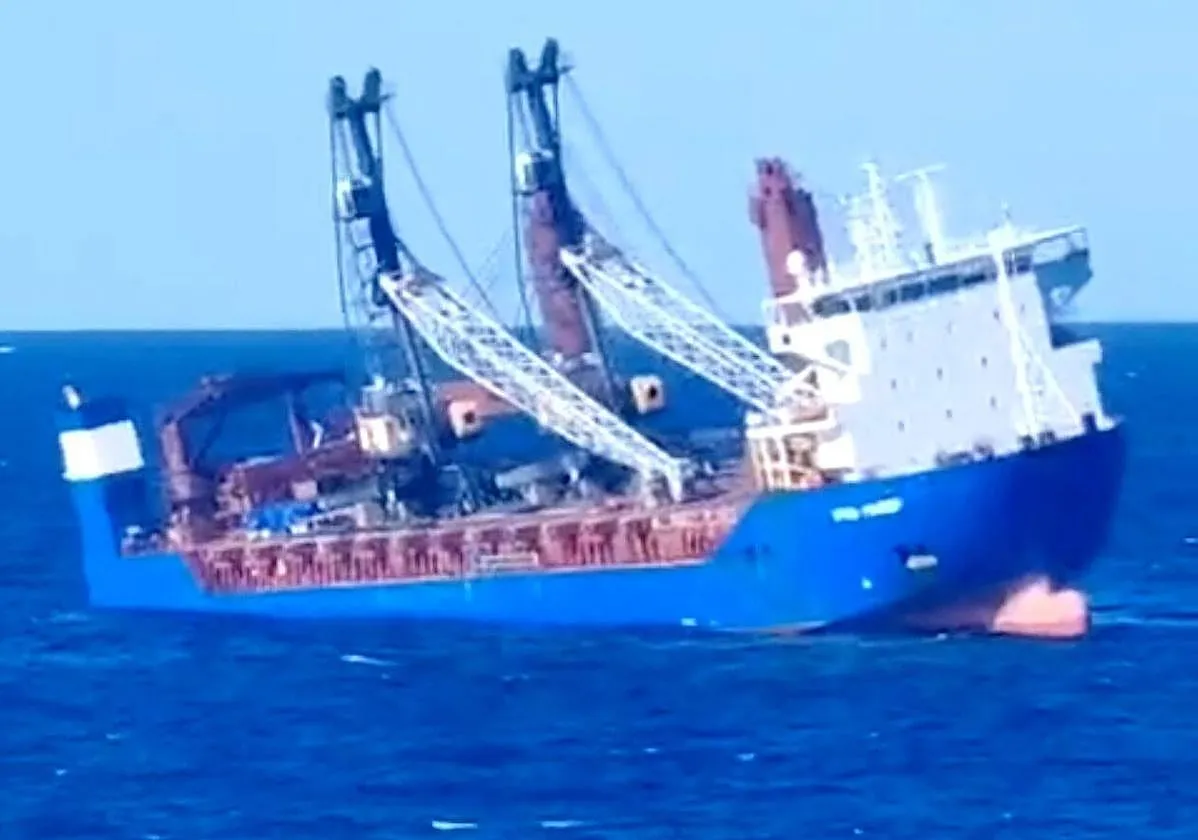
An investigation by the Spanish publication La Verdad has established that the Russian cargo ship Ursa Major, which sank on 23 December 2024 near Cartagena, was transporting critically important equipment for North Korea’s nuclear programme.
Among the officially declared port cranes and icebreaker components, investigators discovered two undeclared 65-tonne containers. Experts identified them as VM-4SG nuclear reactor covers, typically used on submarines. Drone photographs also captured cooling pipes and other reactor system components, which supports the suspicions of the international community regarding Moscow’s active assistance in building North Korea’s nuclear submarine fleet in exchange for supplies of ammunition for the war against Ukraine.
According to Spanish authorities, the final destination of the cargo was the North Korean port of Rason, located near the border with Russia. As the port’s infrastructure is not suited to unload objects of such mass, the Ursa Major was also transporting specialised Liebherr cranes necessary to complete the operation. The ship departed from Saint Petersburg on 11 December and was due to arrive in Vladivostok in January 2025. However, a series of explosions in the engine compartment in international waters between Spain and Algeria led to its sinking.
In the first days of January 2025, the Russian reconnaissance vessel Yantar, equipped with deep-sea submersibles, arrived at the site of the sinking. NATO analysts assess this as an attempt by Russia to conceal evidence of the illegal transport of nuclear components.
The discovery of nuclear cargo on a vessel of Russia’s “shadow fleet” creates a dangerous precedent for violating international sanctions and the nuclear non-proliferation regime. The incident also highlights the depth of military-technical cooperation between Putin and Kim Jong-un, which goes far beyond the supply of conventional weapons. Although it is likely that the reactors did not contain nuclear fuel at the time of transport, their delivery to Pyongyang represents a direct threat to security in the Asia-Pacific region.
International experts continue to monitor the activity of Russian specialised vessels in the area of the Ursa Major’s sinking, fearing further attempts by Russia to raise or destroy evidence of its maritime smuggling.
In the Mediterranean Sea, on the night of 24 December 2024, the Russian cargo ship Ursa Major sank, a vessel which may also have been involved in the evacuation of the Russian military base in Syria. The company Oboronlogistikaclaims that its ship Ursa Major sank as a result of a detonation.




