
Trump's "Peace Council" has warned of a potential funding shortfall for the reconstruction of Gaza
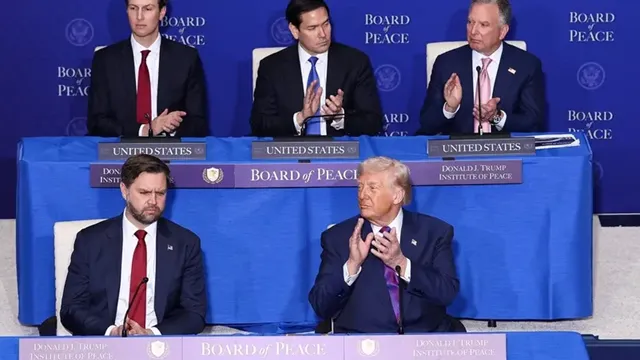
A critical gap has emerged between the pledged funds and the actual transfers for the reconstruction of the Gaza Strip, which could stall the large-scale post-war project initiated by the Donald Trump administration. The Peace Council has warned that without a rapid influx of funds, reconstruction plans may remain merely on paper, despite high-profile political statements, Al Arabiya reports.
This is stated in the organization’s report submitted to the UN Security Council, which explicitly notes that funding must be urgently accelerated, otherwise the reconstruction effort will not function at full capacity. “The gap between commitments and actual funding must be urgently narrowed,” the authors of the document emphasized, stressing that this is not a matter of formalities but of real resources for the reconstruction of the territory.
The report explains that the funds that have been pledged but not yet transferred will effectively determine whether the plan becomes real aid or remains a political project. The organization also called on countries and institutions that have not yet joined the initiative to contribute to the financing of Gaza’s reconstruction.
According to Reuters, only a small portion of the pledged $17 billion in contributions has actually been received, which is already raising concerns about the pace of the program’s implementation. At the same time, the “Peace Council” itself had previously assured that the operational model provides for funds to be disbursed as needed, rather than through a one-time funding injection. Trump’s plan calls not only for the restoration of infrastructure after more than two and a half years of fighting, but also for the creation of a temporary administration to govern the territory with U.S. support.
According to estimates by the initiative’s organizers, approximately 85% of buildings in Gaza have been destroyed, and roughly 70 million tons of debris have accumulated in the territory, requiring large-scale cleanup, which further complicates the project’s implementation.
It is also noted that the security situation in the region remains unstable despite the ceasefire, and hostilities and political disputes continue to affect the pace of reconstruction. The document also mentions that some countries and donors are cautious about the initiative due to concerns regarding control over funds and the transparency of their use.
U.S. Treasury Warns of Possible Sanctions Against Foreign Companies for Cooperating with Iran
Iran has submitted a new proposal to the United States regarding the resolution of the situation surrounding the Strait of Hormuz and the cessation of hostilities. At the same time, Tehran proposes postponing nuclear negotiations to a later stage.
U.S. Secretary of State Marco Rubio stated that Iran continues to attempt to maintain control over the Strait of Hormuz. He emphasized that such approaches are unacceptable to the United States and underscored the importance of freedom of navigation in the region.


