

In Moldova, authorities declared an environmental alert just days after a Russian strike on the Dniester Hydroelectric Power Station (HES). The attack, which took place on March 7, caused spills of technological oils and rocket fuel into the river. The spread of this toxic wave along the Dniester affected three countries simultaneously: Ukraine, Moldova, and Romania.
Given the transboundary significance of this waterway for numerous settlements, Russia’s attack was not only aimed at damaging Ukraine’s energy system but also at creating an artificial water crisis in the region. The pollution of the Dniester proved so extensive that it has been considered an act of ecological warfare by Russia on a pan-European scale.
UA.News reports on the scope of the ecological threat on the Dniester and what analysts say about the strategic importance of this military operation within Russia’s hybrid warfare strategy.
Attack on the Dniester HES and the Environmental Threat
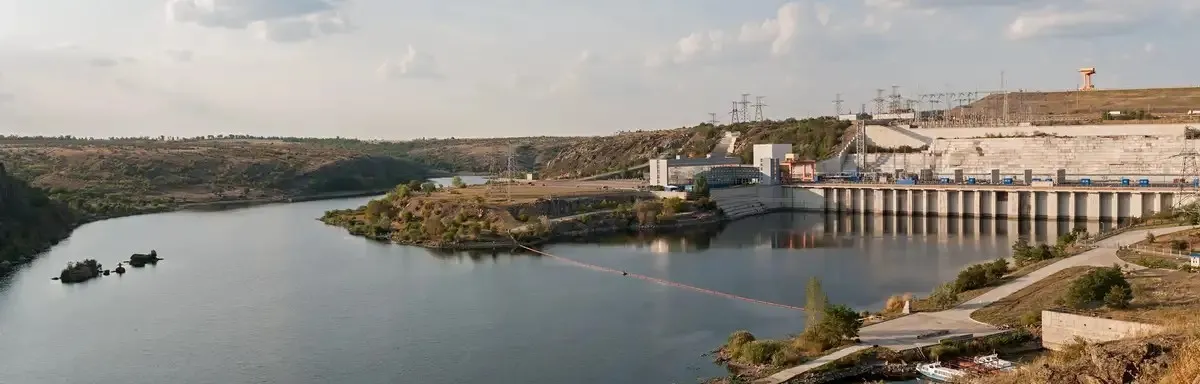
The Dniester Hydroelectric Station is Ukraine’s second-largest HES and one of the largest pumped-storage plants in the world, designed to balance the energy system. The facility provides maneuvering capacity to cover peak loads and helps control flooding in the region. Since 2022, when Ukraine’s energy infrastructure has suffered continuous attacks, the station has served as a crucial reserve for recovery and has become particularly valuable for Ukraine.
On the night of March 7, Russian forces, for the first time since the full-scale invasion, targeted the Dniester HES. Near the energy city of Novodnistrovsk in Chernivtsi Oblast, where the HES is located, the attackers struck with 11 drones and four Kalibr missiles. This caused a massive leak of technical oils and rocket fuel from damaged infrastructure.
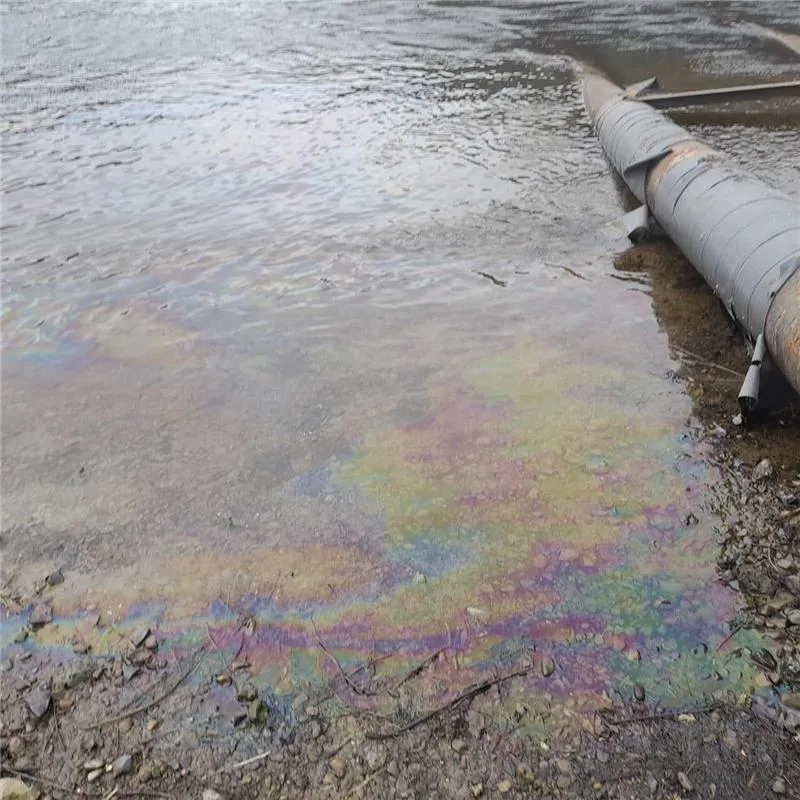
The pollution spread downstream through Chernivtsi, Vinnytsia, and Odesa Oblasts, reaching the Moldovan border. In several settlements along the river, oily films were observed on the water’s surface, accompanied by a persistent smell of technical oils. Laboratory tests in some areas recorded concentrations of petroleum products exceeding safe limits by 2.5 times.
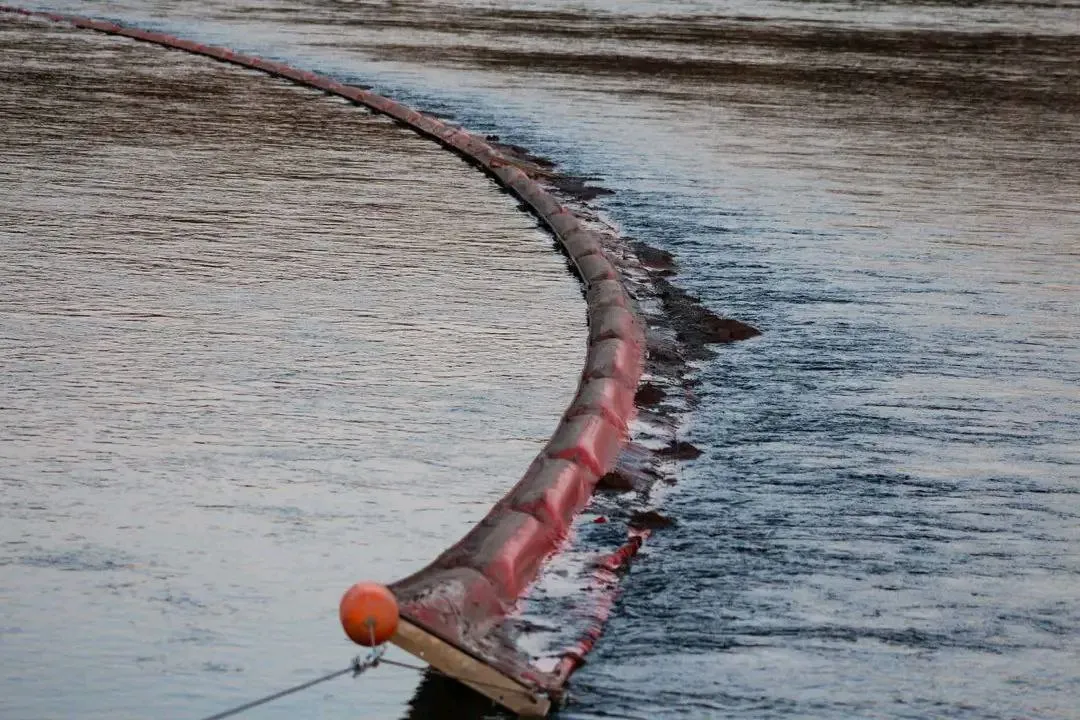
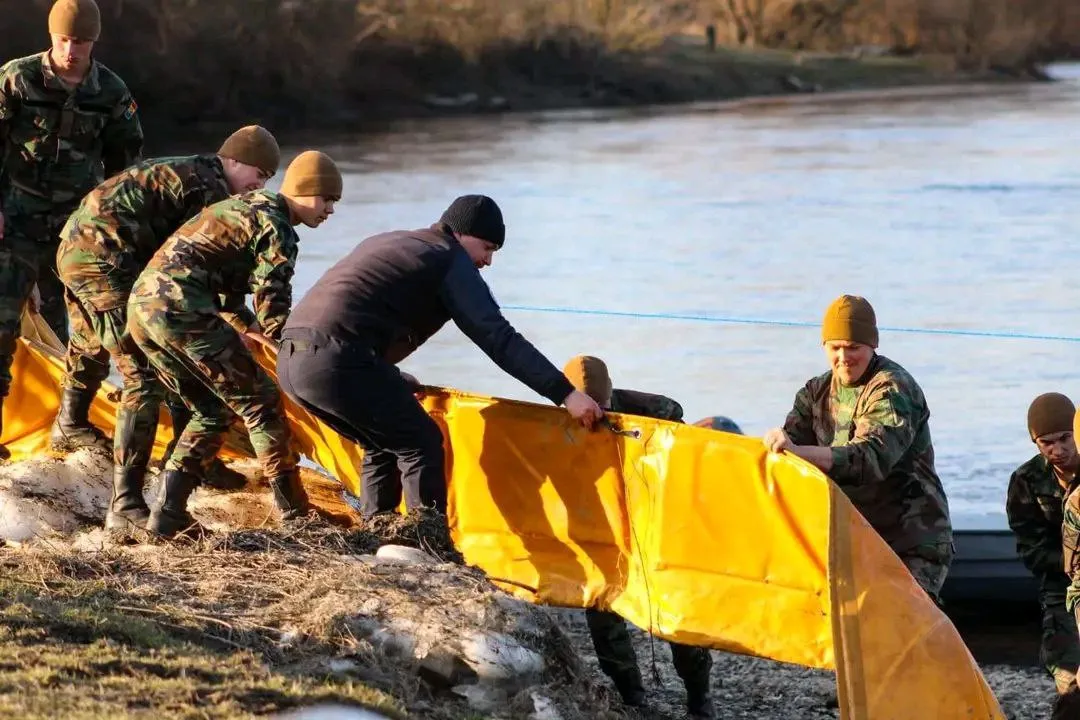
On March 10, the contamination was officially recorded. Units of Ukraine’s State Emergency Service attempted to contain the toxic substances by installing barriers and using sorbents to collect oil films. The Ministry of Economy, Environment, and Agriculture stated that the situation in the Ukrainian section of the river was under control. Moldova and Romania joined efforts to contain the pollution in the Moldovan section of the Dniester.

Dniester Pollution in Moldova
The Dniester River is a key water source for both Ukraine and Moldova, including major cities such as Odesa and Chișinău. Areas near water intake points in the lower river course are especially vulnerable to oil accumulation.
Ukrainian and Moldovan authorities recommended local water supply companies to enhance water treatment. Near the water intake station supplying drinking water to Chișinău, two protective barriers were installed.
Moldova’s Ministry of Environment also declared a “yellow level of danger” in border regions with Ukraine, warned residents of potential water interruptions, and urged them to stock up. On March 14, water was temporarily cut off in four districts: over 40 settlements in Moldova along the Dniester were affected by the ecological threat.
Special units attempted to trap petroleum products in the water using straw bales and installed additional filters. Despite partial river purification, in some areas citizens were advised to wait until water quality indicators returned to safe levels.
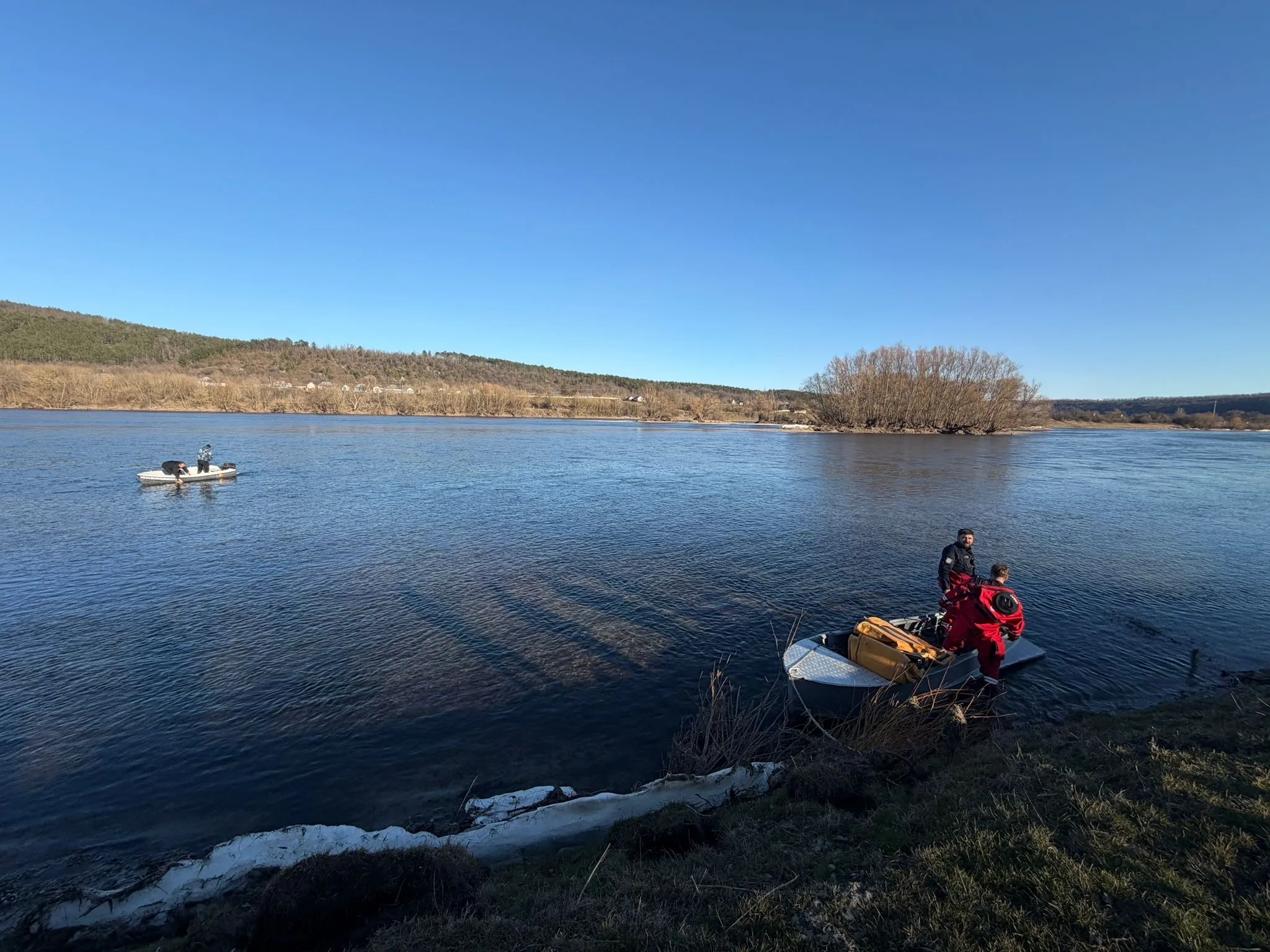
Experts estimate that the chemical compounds detected in the Dniester are difficult to remove from the river ecosystem without specialized international cleaning technologies. Therefore, the Moldovan government appealed to European partners for modern equipment to collect oil and mobile stations for water quality analysis.
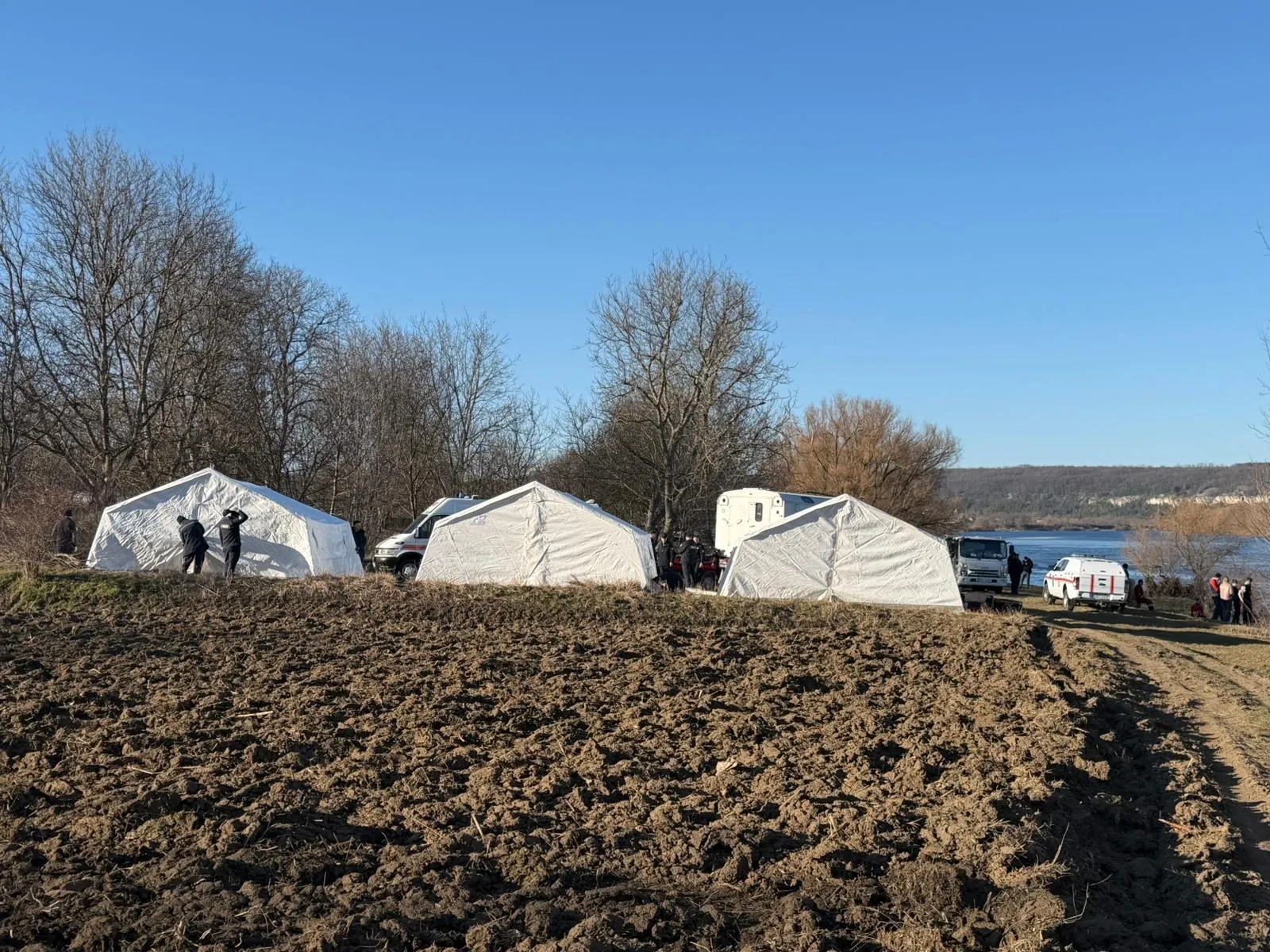
Moldova also deployed units of its National Army to establish a crisis management camp in the Soroca district, bordering Ukraine. There, Moldovan, Ukrainian, and Romanian emergency units are working together.
Act of Ecological Warfare
By targeting hydro-energy facilities on the Dniester, the Kremlin deliberately provoked a humanitarian crisis in two countries simultaneously, according to authorities in Kyiv and Chișinău. On March 15, the Moldovan government held an emergency meeting and announced a 15-day environmental alert in the Dniester basin. Officials recognized that “resources must be urgently mobilized” due to the ongoing ecological threat and the risk of “exceeding pollution levels in the northern Dniester.”
That same day, Moldova’s President Maia Sandu emphasized the transboundary scale of the crime and stressed that “Russia bears full responsibility” for the ecological risks and possible humanitarian crisis in the region.
In Kyiv, officials stated that the contamination of the transboundary waterway constitutes a deliberate act of ecological warfare by Russia. Ukraine’s Commissioner for Human Rights, Dmytro Lubinets, reminded that the destruction of drinking water sources is a gross violation of the Geneva Conventions. He is preparing official appeals to the United Nations demanding an immediate international response to “Russian ecological terrorism.”
“I am already preparing letters to the UN demanding that this fact be recorded and that a clear international response be given. The world cannot remain silent. Russia’s aggression against the environment is a challenge to the civilized world. If there is no uncompromising response today, Russian terror will tomorrow poison other rivers in Europe,” Lubinets warned, emphasizing that Russia has attacked the basic right of millions of people — the right to water.
Dmytro Snegiryov: Attack on the Dniester HES as a Multi-Dimensional Military Operation
The Russians carried out the strike on multiple levels: attempting to neutralize the energy facility, create an artificial ecological disaster, provoke social tension in Ukraine and Moldova, and send a signal to Ukraine’s Western allies, according to military analyst Dmytro Snegiryov. He noted that this is a key component of Russia’s hybrid war, targeting multiple audiences in Ukraine, Moldova, Romania, and the United States.

“The strike occurred during multinational NATO exercises in Romania, which primarily involved U.S. Armed Forces personnel. Therefore, most likely, this is an element of military-political pressure or a political signal from the Russian Federation, first and foremost to the United States, regarding potential future scenarios,” Snegiryov said. “Despite Trump’s criticism, the U.S. is considering expanding military presence, especially on NATO’s flanks. NATO’s administration plans to build a logistics center in Romania, which, in terms of military-technical aid to Ukraine’s Defense Forces, will exceed the Polish Rzeszów hub.
Additionally, Russia aimed to provoke social tension in Moldova amid discussions by Moldovan and Romanian officials about the possible blocking — including militarily — of the Russian enclave of Transnistria. Thus, the strike is neither random in timing nor in target choice.
Everyone focuses solely on the humanitarian dimension of the issue. This is indeed a violation of the laws of war. But it is a multi-vector operation of the occupying army.”


