
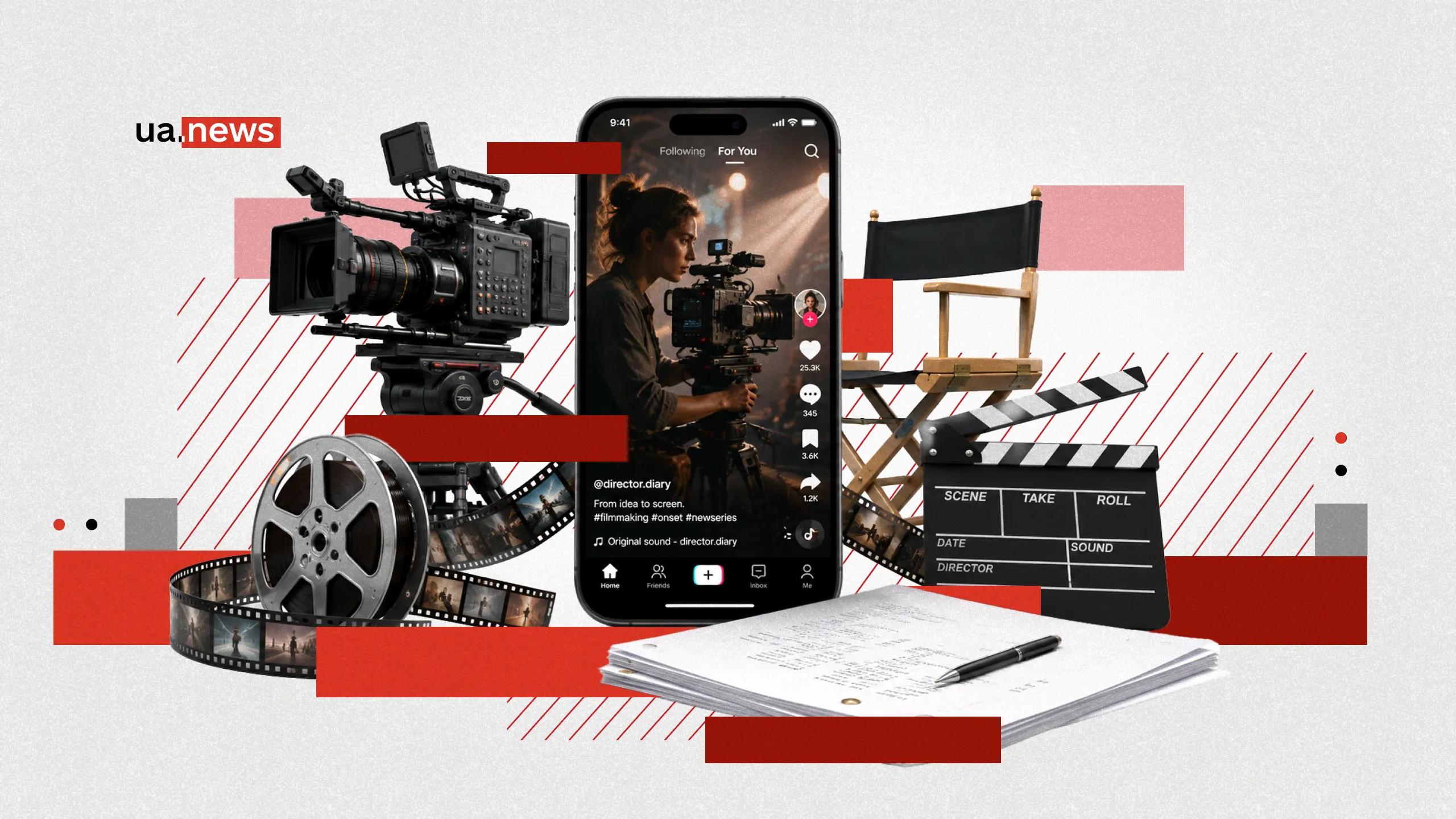
Just a few years ago, vertical video was associated primarily with dancing, memes, short reviews, and bloggers. TV series, on the other hand, remained a product for television or streaming services: 30–60-minute episodes, a season of ten episodes, and a budget in the millions of dollars.
Now, a new format has emerged between these two worlds—microdramas, or vertical series, whose episodes can range from just 45 seconds to a few minutes.
Viewers watch them just like they watch TikTok: holding their smartphone vertically, often on their way to work, while waiting in line, or before bed. But instead of individual clips, they get a full-fledged story spanning dozens of episodes. And what might have seemed like just another internet experiment not long ago is turning into big business.
According to Reuters, the U.S. micro-drama market is estimated to be worth approximately $1.5 billion in 2026 and could reach $2 billion as early as next year. Major media companies are beginning to invest in vertical series, producers are retooling studios for their production, and TikTok is launching its own projects and training creators to write scripts specifically for the new format.
UA.News explains where one-minute series came from, why millions of people watch them, how TikTok is changing the rules of television, and whether vertical micro-dramas could one day rival Netflix and traditional TV series.
What Are Microdramas and Why Do They Resemble TikTok?
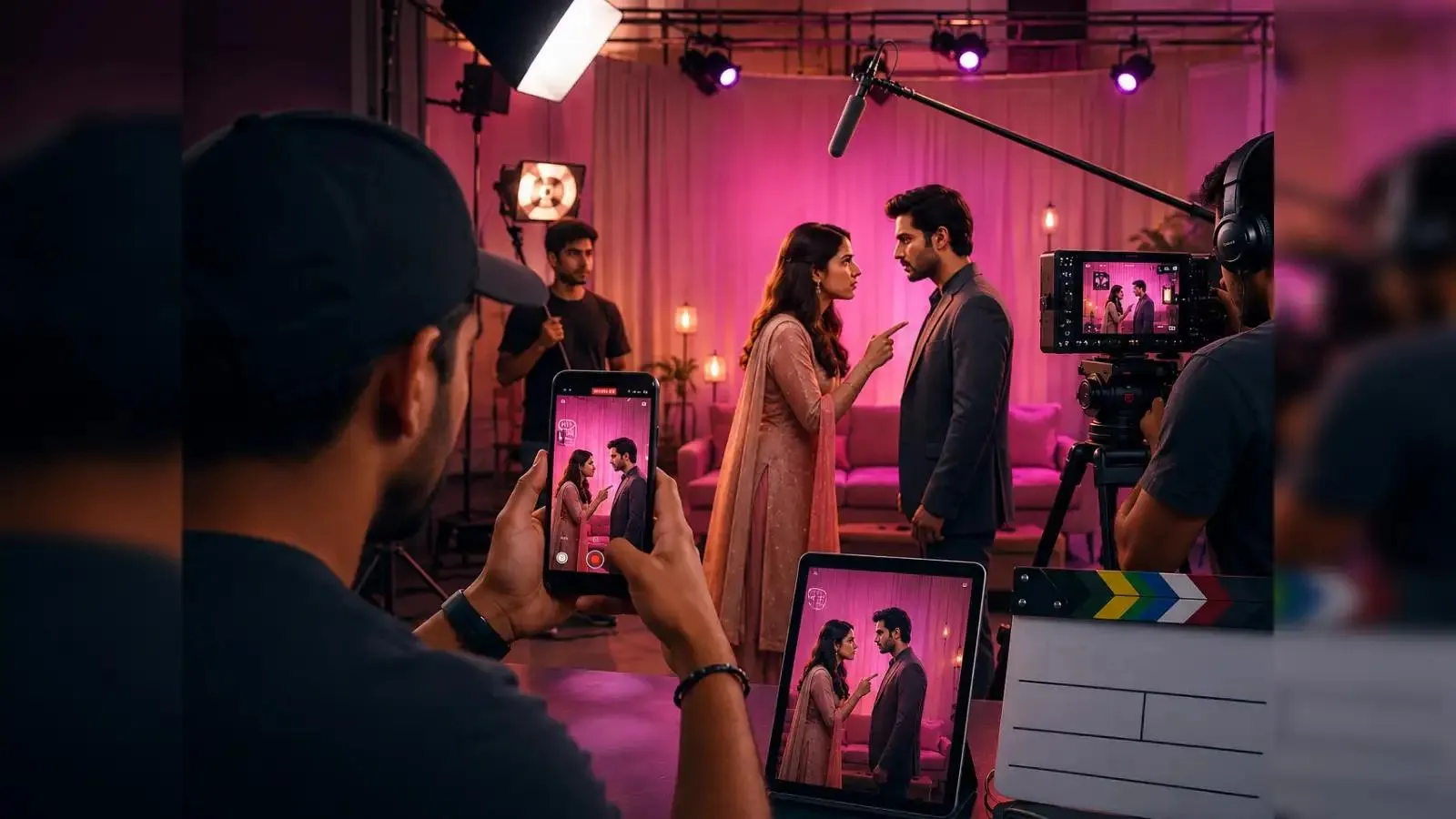
A micro-drama is essentially a regular TV series, optimized as much as possible for smartphones. Instead of a horizontal frame, it uses a vertical 9:16 aspect ratio. Instead of a 40-minute episode, each installment lasts about one to two minutes. Instead of a season with eight or ten episodes, the story can span 50, 70, or even more short episodes.
At the same time, the plot structure differs significantly from that of traditional television.
In a typical TV series, a screenwriter might spend a few minutes introducing the characters to the audience. In a micro-drama, there’s simply no time for that. The conflict must begin almost immediately. For example, in the first minute, the heroine learns that her husband has cheated on her. In the second minute, she accidentally meets a billionaire. In the third, it turns out that he is her ex’s brother. The fourth episode ends with yet another unexpected twist.
Each episode must give viewers a reason to click “next.”
That’s exactly why micro-dramas fit so well into the format of TikTok, Instagram Reels, and YouTube Shorts, where creators have literally just a few seconds to hold the user’s attention.
The new boom didn’t start in Hollywood, but in China
China has effectively become the birthplace of the modern micro-drama industry.
There, short vertical series began to proliferate long before Hollywood took a serious interest in them. Chinese companies saw a simple opportunity: hundreds of millions of people were already spending a huge amount of time on their smartphones, so instead of forcing them to switch to a TV, a series could be brought directly into their feed.
The format proved to be extremely convenient for mobile consumption. Production costs are significantly lower than for traditional television, episodes can be filmed very quickly, and audience reactions can be analyzed almost immediately.
Gradually, the Chinese model began to spread beyond the country’s borders.
Some of the most well-known platforms include ReelShort, DramaBox, GoodShort, NetShort, DramaWave, and My Drama. Many of them are affiliated with Chinese companies or were created based on the experience of the Chinese market. As of 2026, this has already become a separate ecosystem with hundreds of apps.
According to Media Partners Asia, the micro-drama market outside of China could generate approximately $3.6 billion in revenue in 2026. ReelShort is considered the leader with a market share of about 29%, followed by DramaBox, DramaWave, NetShort, and GoodShort. Approximately 300 smaller apps share the rest of the market.
Why a series might consist of 70 one-minute episodes
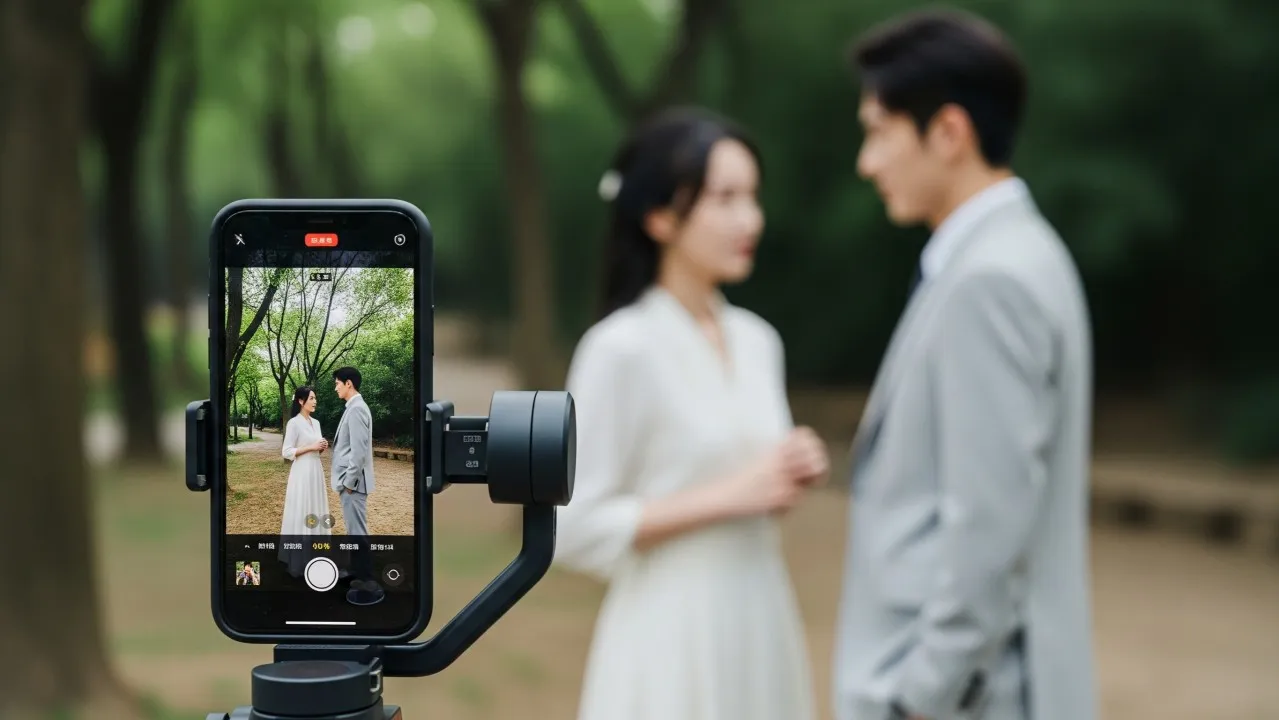
At first glance, dozens of short episodes seem strange. But from a business perspective, this is one of the format’s key features. Users often watch the first few episodes for free. But when the story reaches its most intriguing point, the platform offers the option to pay for the next episodes, subscribe, or watch ads to gain access.
In other words, the plot itself becomes a means of monetization. Viewers are shown a few minutes of the story, which builds emotional attachment to the characters, and each episode ends at the most intriguing moment.
Because of this, micro-dramas often resemble mobile games more than traditional HBO or Netflix. Users constantly receive small portions of content, after which they must take another action—watch an ad, spend in-app currency, or pay for access.
According to a 2026 mobile market study, short-term subscriptions—particularly weekly ones—account for a significant portion of revenue in many apps.
As a result, a single active viewer can sometimes spend more on a vertical series than a monthly subscription to a major streaming service costs.
TikTok has decided that series can exist right in the feed
The most important change is that micro-dramas are no longer a niche product limited to specific apps. TikTok itself is entering the fray. In April, the company announced a partnership with HOORAE—a company founded by actress, screenwriter, and producer Issa Rae.
The first major project was the micro-series *Screen Time*, created specifically for TikTok and the PineDrama platform. The content is distributed for free and monetized through ads.
And in June, TikTok went even further and launched a special program for microseries screenwriters in collaboration with the Sundance Institute. Participants take a four-week course where they learn to create serialized short stories specifically for a digital audience.
In other words, the format is already developing its own screenwriting guidelines and its own system for training writers.
TikTok is testing a standalone app for micro-dramas
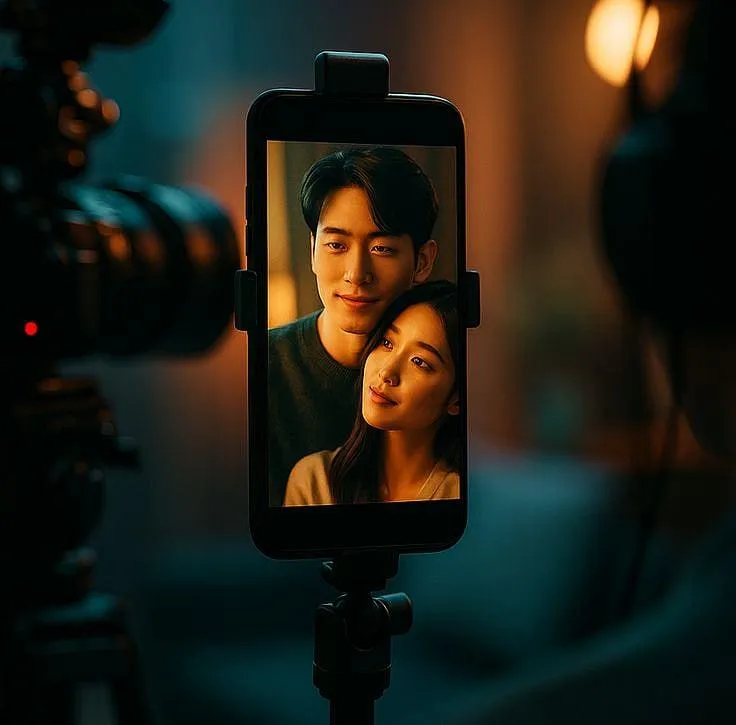
The experiments don’t end there. In the U.S., TikTok is also testing a standalone app called LimeShorts, designed specifically for short vertical series.
According to Business Insider, the platform offers series with episodes ranging from about one to five minutes in length. Some of the content is available to watch for free, while a paid model is offered for full access.
In fact, ByteDance is attempting to enter the territory of ReelShort and DramaBox not only through the main TikTok app. The company is also developing PineDrama and testing separate sections featuring miniseries directly within TikTok.
This shows that vertical series are no longer viewed as a passing trend, but as a potentially major, standalone segment of the entertainment market.
Hollywood has also started shooting series in vertical format
Just a few years ago, traditional studios might have viewed this format as a cheap alternative to “real” television. Now, the situation is changing.
Reuters reports that, amid cutbacks in traditional Hollywood production, micro-dramas are creating new jobs for actors, directors, and film crews. Producer Craig Williams, for example, has refocused his production capabilities in Los Angeles specifically on creating vertical content.
And Hollywood itself has begun to enter the segment directly. Back in 2025, FOX Entertainment invested in Holywater—a company developing the My Drama platform. As part of the partnership, FOX Entertainment Studios planned to create more than 200 vertical video projects over two years.
NBCUniversal also joined the new format. This summer, the streaming service Peacock began expanding its mobile strategy with vertical videos and its own micro-dramas.
In June, the company unveiled “Campus Confidential”—its first original vertical micro-drama project. For NBCUniversal, the point of this type of content is not just to create a new series.
Vertical videos are meant to encourage users to open Peacock on their smartphones more often, even if they don’t plan to watch a full-length movie or an hour-long episode.
In this regard, major streaming services are beginning to borrow TikTok’s key advantage—the user’s habit of opening the app multiple times throughout the day.
Why micro-dramas are significantly cheaper than regular series
One of the main reasons for the format’s growth is production economics. A traditional series can take months to film. It requires large crews, dozens of locations, complex post-production work, and high-profile actors.
A micro-drama can often be produced much faster. The vertical format allows for fewer sets, scenes are mostly short, and the story itself focuses on a small number of characters.
As a result, a season consisting of dozens of short episodes can cost many times less than even a single episode of a major television show.
For producers, this means less risk. If one series doesn’t work out, the company hasn’t lost tens of millions of dollars and can quickly launch the next one.
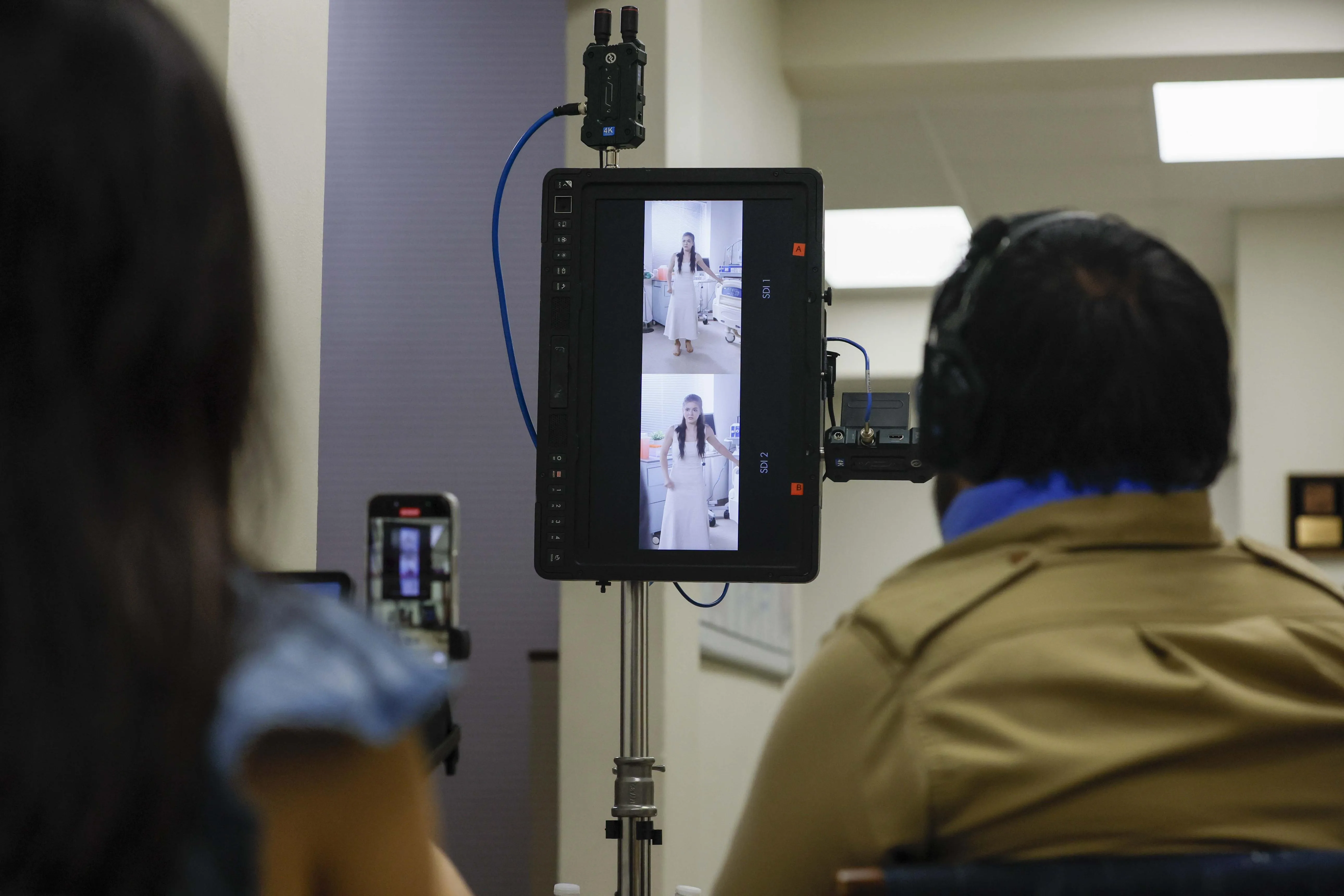
But the most interesting change has nothing to do with episode length or even the vertical aspect ratio. For the first time, social media algorithms are beginning to have a significant impact on how a series is actually written.
TikTok has taught creators that the first few seconds of a video are critically important. The same logic of micro-dramas is being applied to the script. Long introductions are almost nonexistent. Characters are quickly thrown into conflict. Dialogue is as direct as possible. Plot twists occur much more frequently than in traditional TV series.
The end of each episode must literally compel the viewer to watch the next one. In other words, the story is structured just like a TikTok video: a hook—an emotion—an unexpected twist—another hook.
This also explains the genre’s unique characteristics. Among the most successful micro-dramas are many love stories, plots about billionaires, secret marriages, betrayals, werewolves, revenge, and family secrets. Such plots easily evoke strong emotions in a very short time.
Who Watches One-Minute Series
One might assume that the main audience for micro-dramas is teenagers who are used to TikTok.
In reality, the situation is more complex.
Reuters notes that among the active audience for American vertical series, there are many women aged 25 to 55. In other words, micro-dramas essentially replicate the old soap opera model, only adapted for smartphones.
Once upon a time, viewers watched 30-minute TV episodes at home. Now, that same emotional experience can be consumed in one-minute chunks throughout the day.
This is a new way of packaging one of the entertainment industry’s oldest products—the serialized story.
Will micro-dramas replace Netflix?
Not yet—it’s unlikely. Vertical series and major television dramas serve different purposes. It’s unlikely that “Game of Thrones,” “The Last of Us,” or a major detective series could simply be chopped up into one-minute vertical episodes and still achieve the same result.
The big screen, complex cinematography, atmosphere, and slow character development aren’t going anywhere. But micro-dramas don’t necessarily have to kill traditional television to change the industry.
They’re simply taking up a portion of time that previously wasn’t even considered “series time.” Five minutes on the subway. Two minutes in line. Ten minutes before bed.
This time used to go to social media. Now, full-fledged storylines are starting to compete for it. And that’s exactly what’s driving TikTok, FOX, NBCUniversal, and dozens of tech companies to invest in the format.
The most important thing about this trend is the gradual blurring of the line between social media, film, and television.
TikTok is no longer just a place where people discuss a TV series after it airs. The platform wants to become the very place where that series is created, distributed, and monetized.
And Hollywood, which for decades operated on the principle of “first the big screen, then TV, then the internet,” is being forced to adapt to a generation for whom the phone has long been the primary screen.




