
Saudi Arabia’s oil exports rise to highest level since war with Iran began — CNBC
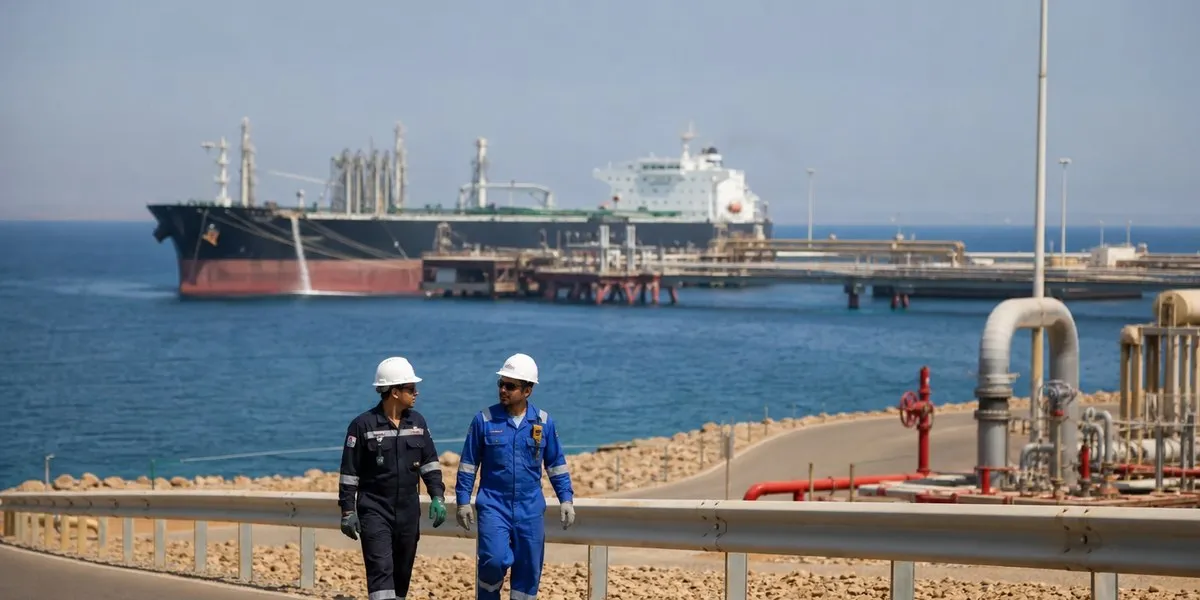
Saudi Arabia is exporting around 6 million barrels of crude oil per day in September — the highest level since the war with Iran began about seven months ago. Shipment volumes have returned to the 2025 monthly average, CNBC reports, citing data from analytics company Kpler.
Shipments rise despite pipeline damage
September exports are nearly 80% higher than the August level of 3.4 million barrels per day. The increase in shipments was achieved despite the closure this month of the important East-West oil pipeline, which was damaged in a drone attack launched from Iraq.
This pipeline made it possible to direct oil from the kingdom’s eastern production regions to the Yanbu terminal on the Red Sea, bypassing the Strait of Hormuz. After it was shut down, Brent prices rose to nearly $110 per barrel, but later declined as the market assessed the consequences of the disruptions as less significant than initially expected.
More current news is available on the UA.News Telegram channel Telegram.
Return to the route through the Strait of Hormuz
Saudi Arabia redirected part of its exports back through the Strait of Hormuz after the U.S. military established a shipping corridor along Oman’s coast. Other Persian Gulf states have also used this route for several months, although shipping there remains dangerous due to Iranian attacks on tankers passing through the strait.
According to Kpler, the seven-day average volume of oil shipments through the Strait of Hormuz stood at 13.2 million barrels per day on Wednesday, compared with around 17 million barrels before traffic was disrupted by the war. Industry sources told Reuters that the East-West oil pipeline resumed operations with small volumes at the start of the week and is gradually increasing throughput. Saudi Arabia has not publicly confirmed this.
Saudi Aramco CEO Amin Nasser told Japanese newspaper Nikkei that temporary disruptions to oil infrastructure usually last days rather than weeks or months, but did not specify the pipeline’s status.




