
Companies surveyed by the Dallas Fed increased oil and gas production — OilPrice
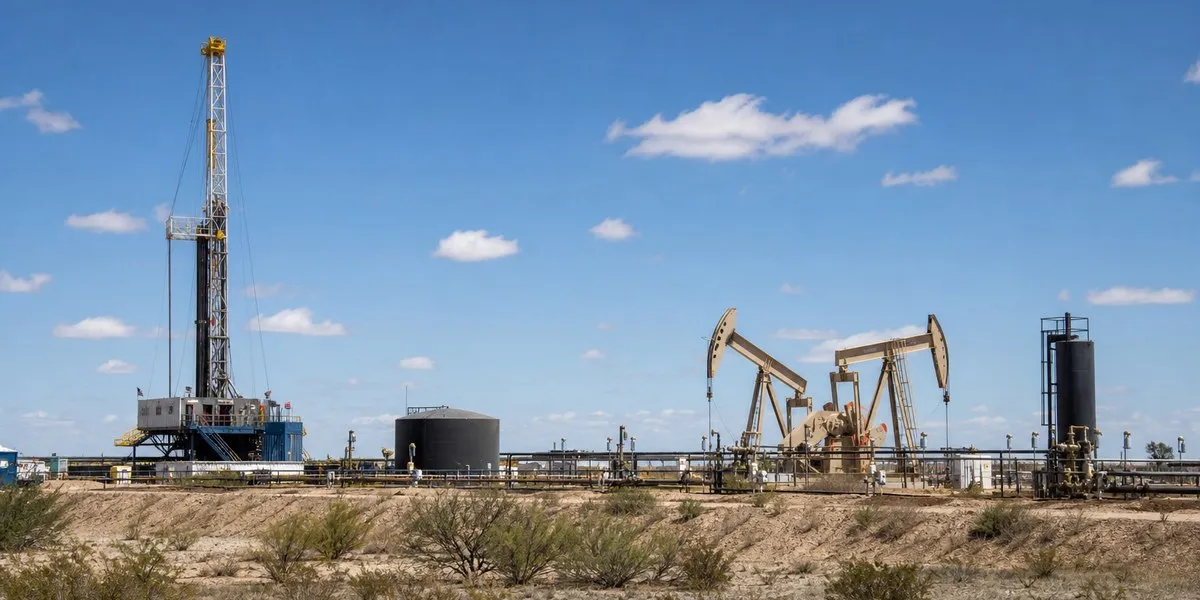
In the United States, oil and natural gas production increased in the third quarter among companies surveyed by the Federal Reserve Bank of Dallas. At the same time, sharp fluctuations in oil prices made it difficult for producers to assess the market’s future situation, OilPrice reports.
Production growth
The Federal Reserve Bank of Dallas survey covers exploration and production companies located or headquartered in Texas, southern New Mexico and northern Louisiana. In the third quarter, production of both oil and gas increased in this region. This is the second consecutive quarter in which companies have reported higher production volumes.
In the second quarter, the oil production index calculated by the Federal Reserve Bank of Dallas rose from 0.0 in the first quarter to 15.0. The gas production index stood at 3.7 at that time and changed little. The capital expenditure index increased from 21.2 to 40.9, while 49% of surveyed companies reported higher current expenditures.
More current news is available on the UA.News Telegram channel Telegram.
Prices and investment expectations
The average closing price of U.S. WTI crude in the third quarter was about $86 per barrel. At the beginning of July, prices fell to $67, while in mid-September they reached $107 per barrel. According to Reuters, production and shipping in the Middle East were disrupted due to the war with Iran.
Respondents to the Federal Reserve Bank of Dallas survey expect WTI to average $88 per barrel at the end of 2026, although individual forecasts range from $70 to $126. The expected Henry Hub natural gas price at year-end averages $3.29 per million British thermal units.
At the same time, expectations for future capital expenditures are weaker: the index of projected spending for the next year stood at zero in the second quarter. According to the U.S. Energy Information Administration, commercial crude oil inventories increased by 900,000 barrels over the week to 427.3 million barrels. Distillate inventories, by contrast, declined by 2.3 million barrels and were 14% below the five-year average for this period.




