
Politico Europe sponsored column names three conditions for energy transition
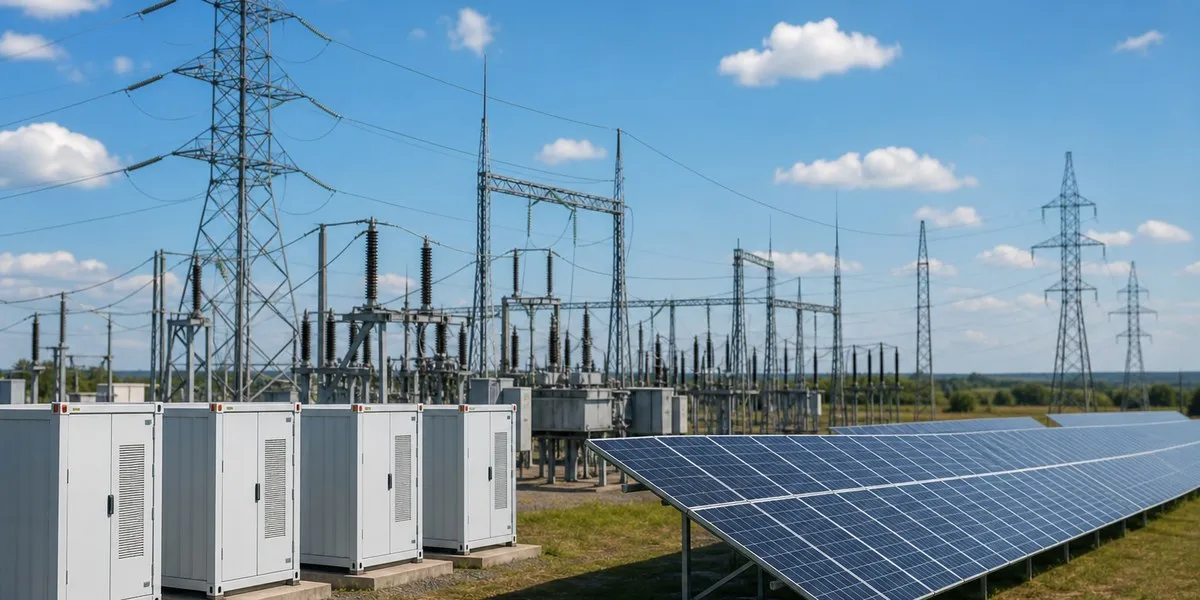
The energy transition cannot depend solely on political decisions: technical expertise and coordinated operation of electricity transmission and distribution systems are necessary for power grid stability. This is stated in a sponsored column published by Politico Europe.
The author of the column notes that electricity demand is rising due to the electrification of transport, heating and heavy industry, as well as consumption by large data centers for artificial intelligence. At the same time, traditional systems with large rotating turbines are giving way to renewable generation using inverters that operate at microsecond speed.
The grid as a single system
The column emphasizes that transmission and distribution grid operators can no longer act separately. The distribution grid includes solar generation, energy storage systems and flexible consumption, while processes at its periphery directly affect the stability of the entire energy system.
Mass electricity generation by solar panels in one area, batteries switching to charging mode, or evening charging of electric vehicles can affect high-voltage grids hundreds of kilometers away. Ignoring this interconnection, according to the author, creates risks of instability, overloads and large-scale power outages.
More current news is available on the UA.News Telegram channel Telegram.
Regulators, states and investors are urged to view the power grid as an integrated system — from the power plant to the meter — rather than as a set of separate regulatory and operational segments.
Affordability and engineer training
The author names the financial affordability of technical solutions and the training of qualified engineers as two other conditions for the transition. In his view, the energy transformation cannot be considered successful if it increases inequality or energy poverty. Possible approaches include reducing unnecessary losses during electricity conversion and applying circular economy principles instead of constantly replacing equipment.
The article also calls for training engineers able to work simultaneously with grid physics, data, electricity markets and societal needs. According to the column, the international non-profit organization CIGRE brings together 25,000 members in 140 countries and involves researchers, engineers, industrialists, suppliers, regulators and officials in developing recommendations, training programs and practical solutions.


