
Russians are withdrawing their deposits from banks en masse out of fear of inflation
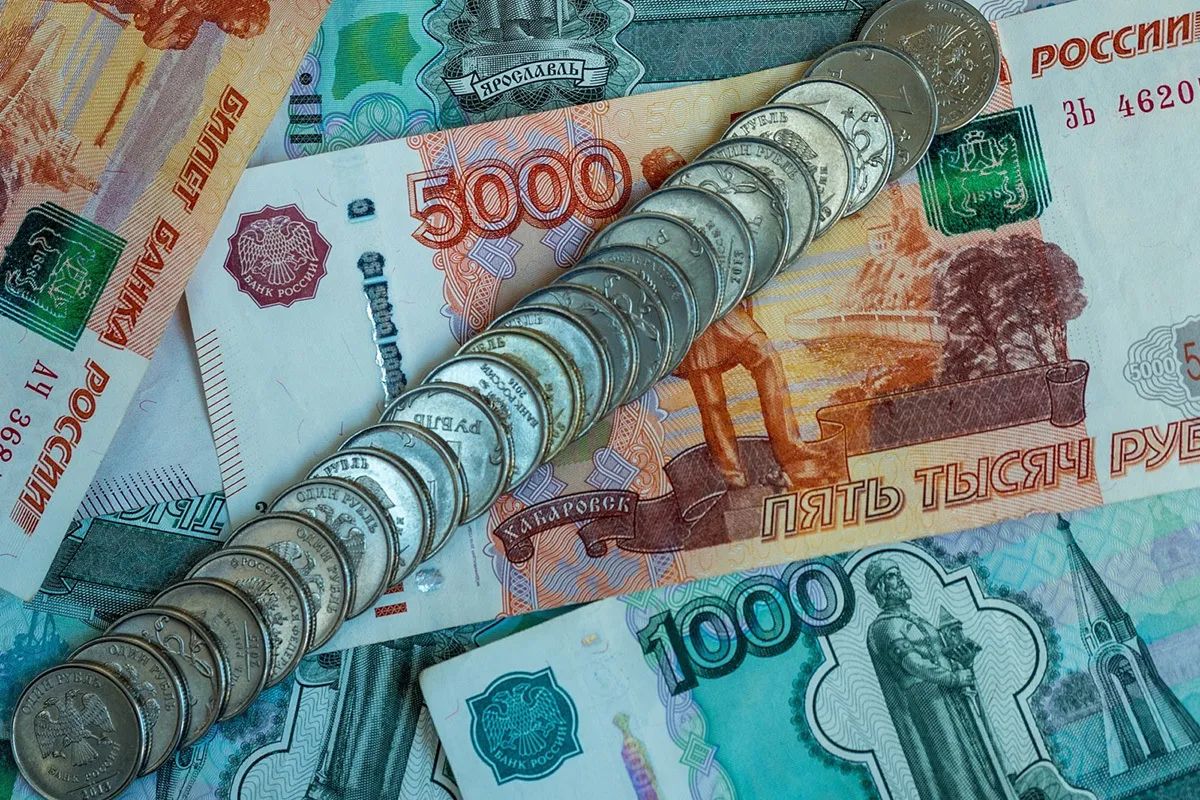
Citizens of the aggressor state have begun rapidly withdrawing funds from the banking system amid increased government oversight of finances and rising inflationary risks.
According to Ukraine’s Foreign Intelligence Service, in January of this year alone, the net outflow of funds from Russian accounts reached a staggering $13.9 billion.
In total, during the first month of the year, Russian residents withdrew over $19.7 billion from their card and savings accounts, while only $5.8 billion was returned to deposits.
This figure is the second-highest since 2010, surpassed only by the record-breaking March of 2022, when, following the start of the full-scale invasion, Russians withdrew $25.9 billion from banks.
Intelligence experts identify several key reasons for this behavior among the population.
First, the Kremlin’s tightening control over all financial transactions and frequent disruptions in online banking are forcing people to keep their savings “under the mattress.”
Second, rapid inflation negates the point of saving, so households prefer to spend money on current consumption.
“At the same time, there is a ‘renaissance’ of cash in everyday life. Since the beginning of 2026, every second resident of Russia has been offered to pay for goods or services in cash, and every third person has encountered this multiple times,” the SVR emphasizes.
Businesses in Russia are moving en masse into the shadow economy, trying to avoid higher taxes and new VAT payment rules.
The situation is significantly complicated by the global macroeconomic backdrop, particularly the escalation of conflicts in the Middle East. This leads to higher logistics and import costs, which further drives up prices within Russia.
A mass exodus of depositors is creating critical problems for Russian banks, limiting their resources for lending. This is forcing financial institutions to become completely dependent on refinancing from the Central Bank of the Russian Federation.
Excessive strain on monitoring systems due to the chaotic movement of funds leads to constant payment delays and increased operational risks.
Another source of pressure is the Kremlin’s plans to introduce salary payments in “digital rubles,” which the public views as an attempt to establish total control over every penny.
“18% of Russians are constantly receiving offers to pay in cash,” the analysts add, indicating deep mistrust of the country’s official financial system.
As a reminder, Russians are increasingly looking for ways to leave the country amid internet blackouts.
Additionally, Russia will deploy conscripts mobilized in Crimea to combat operations starting in April.
