
2020 review found no weight-loss advantage of psyllium over placebo — Channel NewsAsia
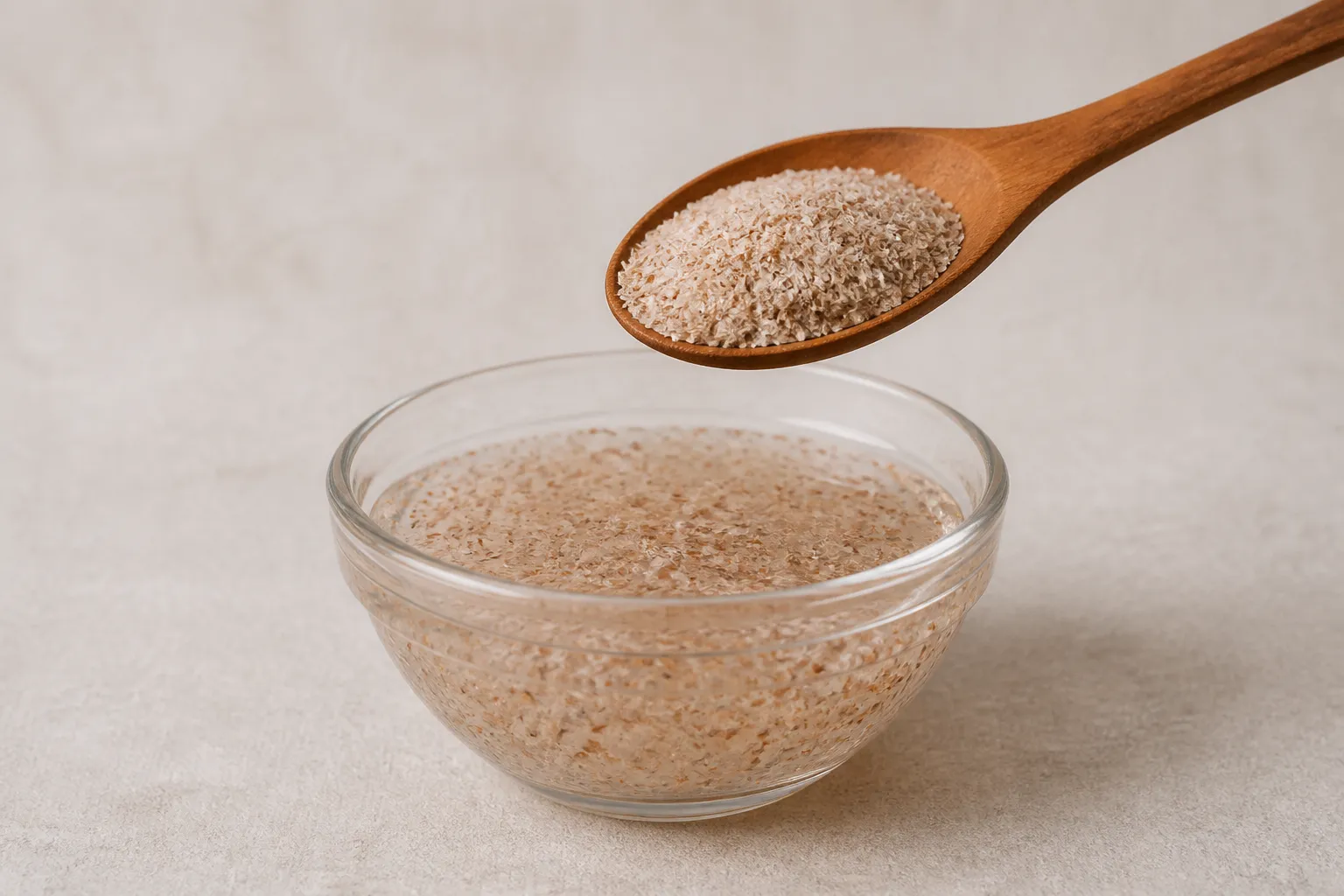
Psyllium husk may help with constipation and symptoms of irritable bowel syndrome, and may also somewhat lower cholesterol and blood sugar levels. However, a 2020 review found no difference between psyllium and placebo in weight-related measures, Channel NewsAsia reports.
Effects on digestion
Psyllium is a fiber-rich substance derived from a plant that is commonly grown in South Asia. According to William D. Chey, head of the gastroenterology division at Michigan Medicine, psyllium has demonstrated effectiveness for constipation and irritable bowel syndrome.
In the stomach and intestines, it absorbs water and forms a viscous gel-like substance. This softens and increases the bulk of stool and speeds up its passage through the colon. Boston dietitian Kate Scarlata noted that psyllium may also help with diarrhea by absorbing fluid in the intestines.
More current news is available on the UA.News Telegram channel Telegram.
Cholesterol, glucose and weight
Penny Kris-Etherton, professor emerita of nutritional sciences at Penn State, said research indicates a slight reduction in blood cholesterol and glucose levels after consuming psyllium. Its fiber binds to bile acids in the intestines, which are made from cholesterol, and promotes their excretion. Psyllium may also slow carbohydrate digestion, allowing glucose to enter the bloodstream more gradually.
Julia Lloyd, a dietitian at Mass General Brigham, said the supplement may provide a feeling of fullness for an hour or two because it expands in the intestines and slows carbohydrate digestion. However, a 2020 review covering 22 small studies, mostly involving adults with overweight or obesity, found no difference between psyllium and placebo in body weight, body mass index or waist circumference.


