
Singapore uses low-dose CT and AI for lung cancer screening
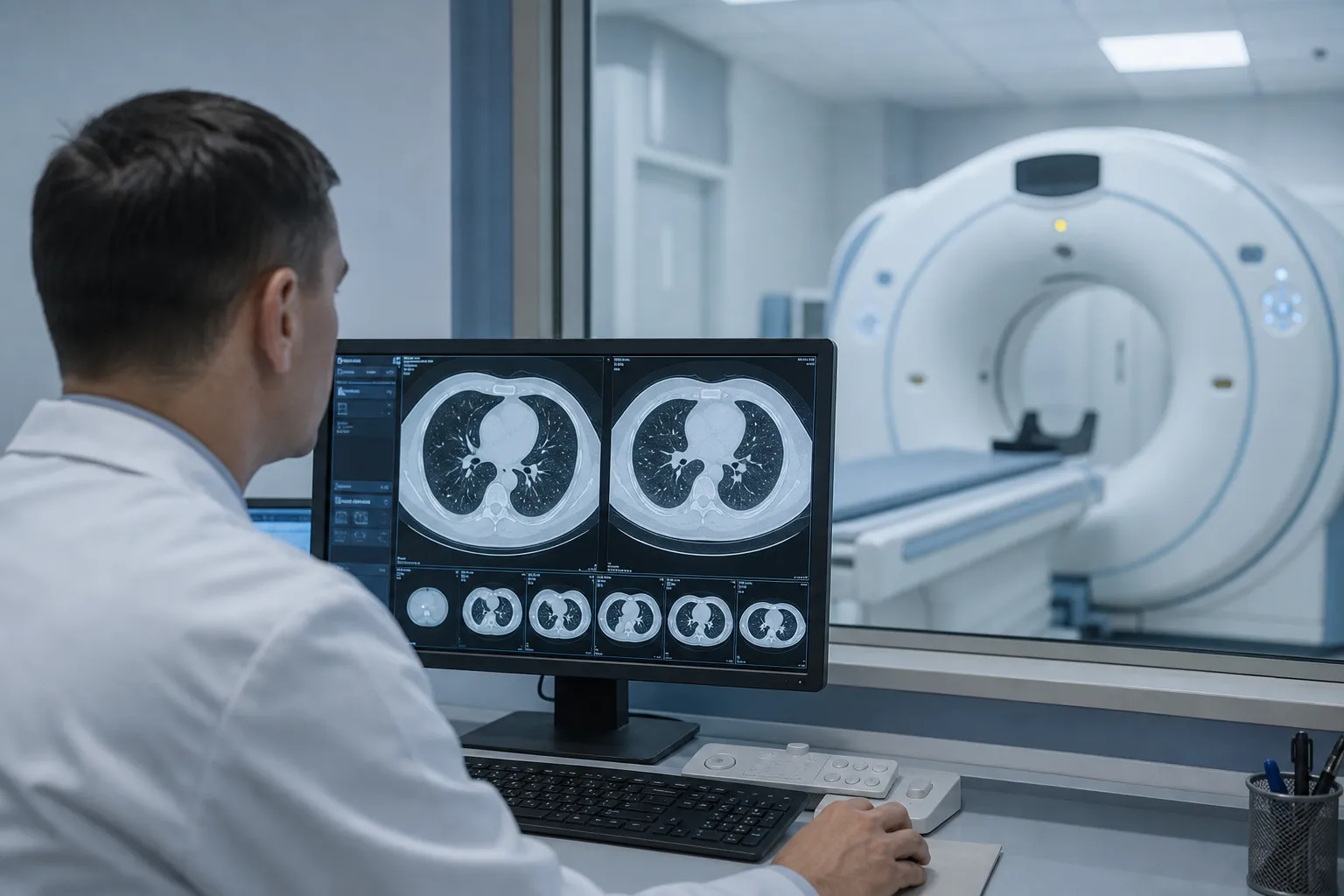
In Singapore, low-dose computed tomography and artificial intelligence software tools are being used for the early detection of lung cancer. They make it possible to obtain detailed images of the lungs with lower radiation exposure and help radiologists identify suspicious nodules, Channel NewsAsia reports in an advertorial by Parkway Radiology.
According to a study by the National Cancer Centre Singapore, about half of lung cancer patients in the country have never smoked, and women are disproportionately represented in this group. According to the Singapore Cancer Registry, lung cancer ranks third in prevalence among cancers in both men and women. More than two-thirds of cases are diagnosed at late stages.
Who is recommended for screening
In Singapore, lung cancer screening is recommended for people aged 50 to 80 with a 20 pack-year smoking history who continue to smoke or quit less than 15 years ago. Such screening is currently not recommended for people who have never smoked.
At the same time, Parkway Radiology medical director and interventional oncologist Peter Goh advises middle-aged people with additional risk factors to discuss testing with a doctor. He listed a family history of lung cancer and prolonged exposure to second-hand smoke among these factors.
More current news is available on the UA.News Telegram channel Telegram.
Low-dose CT produces three-dimensional images, making it easier to detect small nodules in the lungs. According to Goh, the radiation dose during such an examination is about 1–2.5 millisieverts, compared with about 6 millisieverts for a standard chest CT scan.
AI for image analysis
One CT scan can contain 400 to 700 images. According to Goh, early lung cancer can sometimes present as nodules measuring only 4–8 mm.
Parkway Radiology said that its IHH Healthcare Singapore hospital network uses HSA-approved AI software for analysing lung CT scans. The system flags suspicious nodules, including small or partially obscured ones, for further clinical assessment.
According to Goh, the use of AI increased the company’s radiologists’ sensitivity in detecting early lung cancer from 76.55% to 91.22%. Mount Elizabeth Hospital also uses photon-counting CT. Depending on the patient’s body build, the radiation dose during an ultra-low-dose examination may be 0.12–0.76 millisieverts; the scan takes less than five minutes and requires neither injections nor fasting.


