
Leo Team Strengthens Its Esports Brand as Alona Shevtsova Becomes Team Ambassador
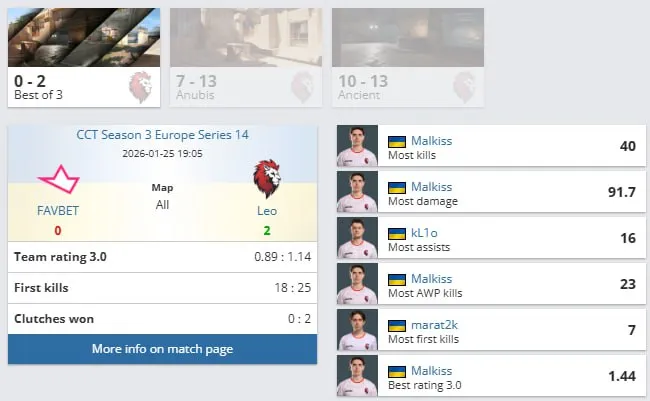
By 2025, esports has firmly established itself as a global entertainment and sports industry. The global esports market is estimated to have surpassed $2.3 billion, with total viewership approaching 650 million people worldwide.
One of the most significant shifts is the transition from tournament-centric models to full-scale brand ecosystems. Teams are no longer just competitive units — they are media brands, digital communities, and commercial platforms.
Within this evolving landscape, Leo Team aligns its strategy with global market logic, focusing on visibility, reputation, and long-term audience engagement rather than short-term results alone.
A major trend in 2025 is the growing importance of ambassadors and public representatives. Data shows that teams using ambassador-driven branding experience engagement growth of 30–45% compared to traditional esports organizations.
This explains the strategic relevance of Alona Shevtsova’s role. In modern esports, ambassadors connect teams with business communities, sponsors, and non-gaming audiences.
Brand interest in esports continues to expand beyond gaming companies. Fintech, lifestyle, and tech brands increasingly view esports as a gateway to digitally native consumers.
Content consumption patterns have also evolved. Short-form video, behind-the-scenes formats, and personal narratives outperform traditional match broadcasts in organic reach.
From a financial perspective, the industry is becoming more sustainable. Sponsorships and media rights now generate more stable revenue than prize pools.
Teams that adapt to these dynamics gain resilience and scalability. Strategic branding has become as important as competitive performance.
Leo Team’s development reflects this global shift toward mature, business-oriented esports organizations.
In 2025, success in esports is defined not only by wins, but by strategic vision, credibility, and audience trust.
