

When a viewer tunes in to a live broadcast of a professional Counter-Strike 2 match, it all looks pretty simple: ten players join the server, the game begins, someone pulls off a spectacular clutch, the team wins rounds, and at the end, the score is displayed.
But the match itself is just the tip of the iceberg.
Behind every game played by a professional team lie hours of preparation, practice, reviewing demos, discussing tactics, analyzing opponents, and working on their own mistakes. What viewers see during a few hours of broadcast is the result of a much larger process.
At Leo Team, match preparation begins long before the players click the “connect IP” button.”
A match doesn’t start with the first round
A professional team can’t just log onto the server and play however it turns out. Before the match, you need to understand exactly who you’re playing against.
The team analyzes the opponent’s style, their favorite positions, standard plays, the behavior of individual players, and their reactions to various situations. They review previous matches and demos to identify patterns. For example, an opponent might frequently and aggressively take a certain position at the start of a round. Or, conversely, they might play as passively as possible and leave that zone unguarded. At first glance, this might seem like a minor detail. But at the professional level, it’s precisely these details that can determine the outcome of a round.
The team’s task is not just to spot these patterns, but to understand how to use them.
Tactics Don’t Come Out of Nowhere
One of the least visible aspects of the team’s work to spectators is the preparation of tactics. During training, the team practices various scenarios: moving to key positions, assigning roles, using grenades, retakes, plays for specific situations, and reactions to the opponent’s actions. But it’s not enough to simply come up with and practice a fancy tactic for a round—it has to work in an actual match.
Players need to know where they should be when a certain grenade is thrown, who creates space for the team, who stays behind as a decoy when the attack vector needs to be quickly changed, and what to do if the opponent responds in an unexpected way. That’s why a single tactic may be practiced dozens of times before the team is ready to use it in an official match. Sometimes, however, the best solution isn’t a complex play, but a well-prepared response to the opponent’s actions.
A coach’s job is not just about “giving advice”
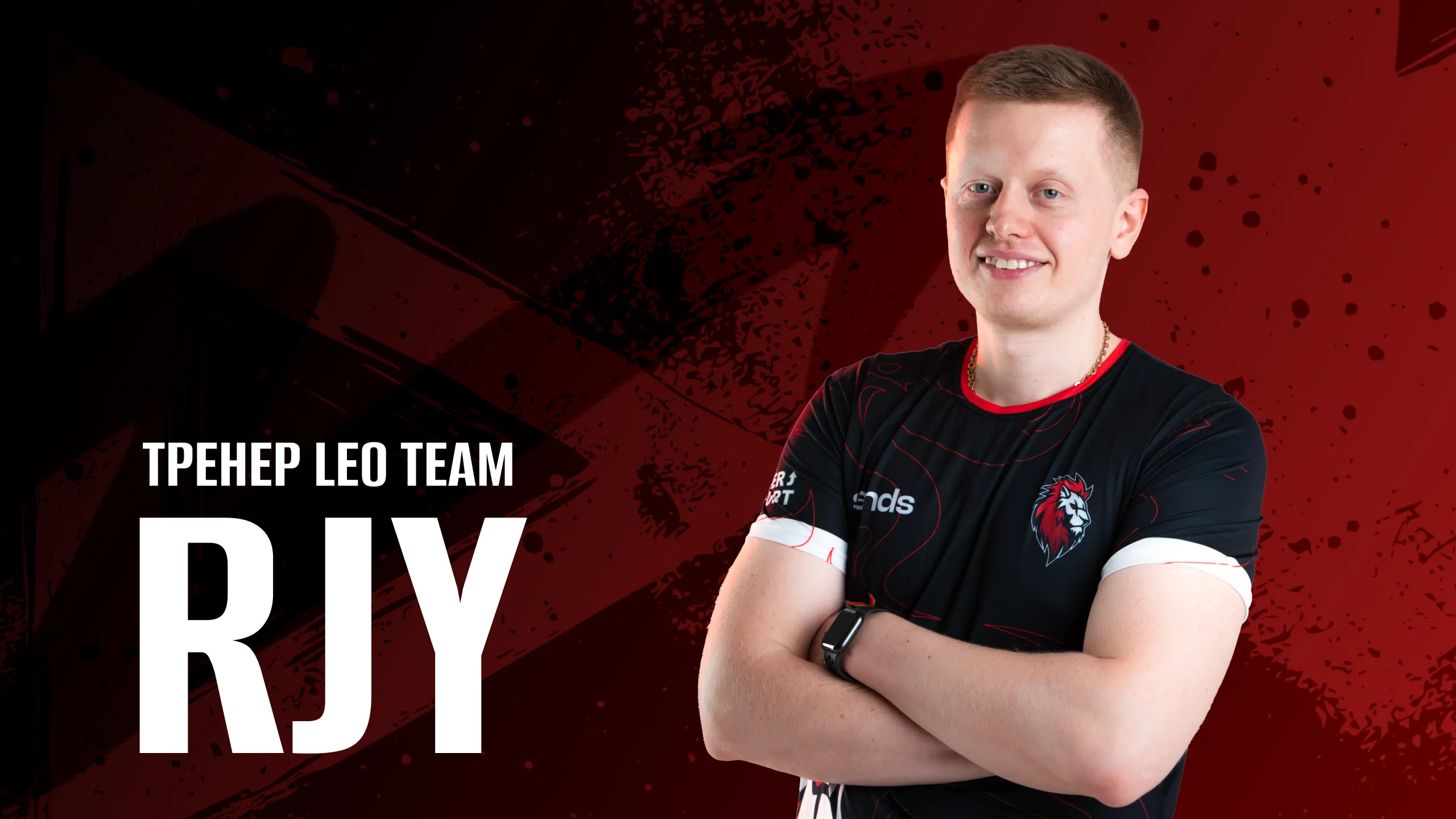
From the outside, it may seem like the coach is just sitting next to the team and telling them what to do, but in reality, his job is much broader. The coach helps the team prepare for a specific opponent, analyzes matches, identifies the strengths and weaknesses of their own play, oversees training, and helps the team move in the right direction.
An important part of their job is viewing the game from the outside. When a player is in the thick of the action during a match, they have to take shots, listen to information from teammates, control their position and timing, and make decisions in a matter of seconds—all at the same time. A coach, on the other hand, sees the bigger picture, so his analysis after a round or match can help identify a problem that the players themselves didn’t notice.
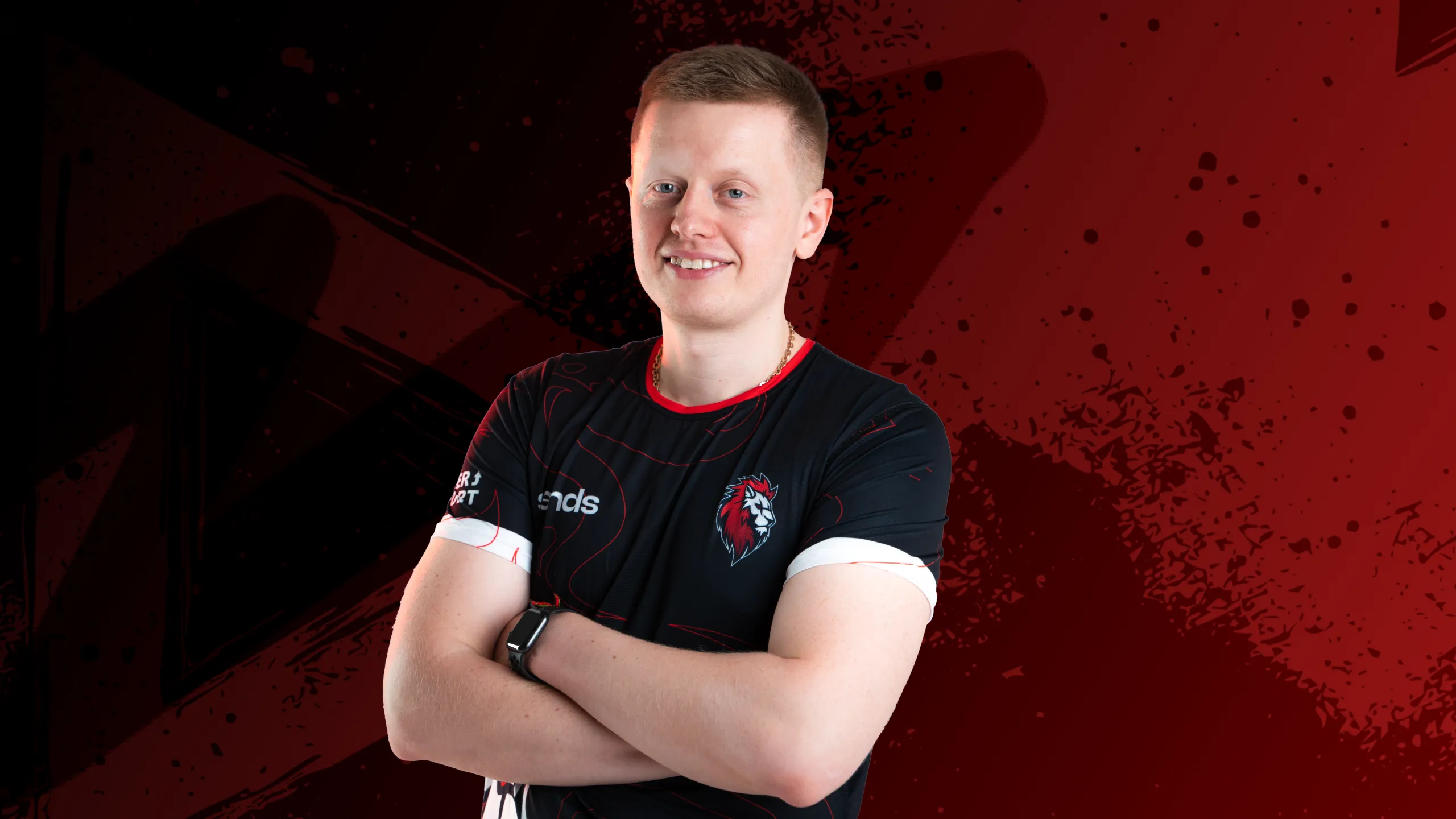 Dmytro “rjy” Chumak – Coach of Leo Team
The captain makes decisions when there’s no time to think
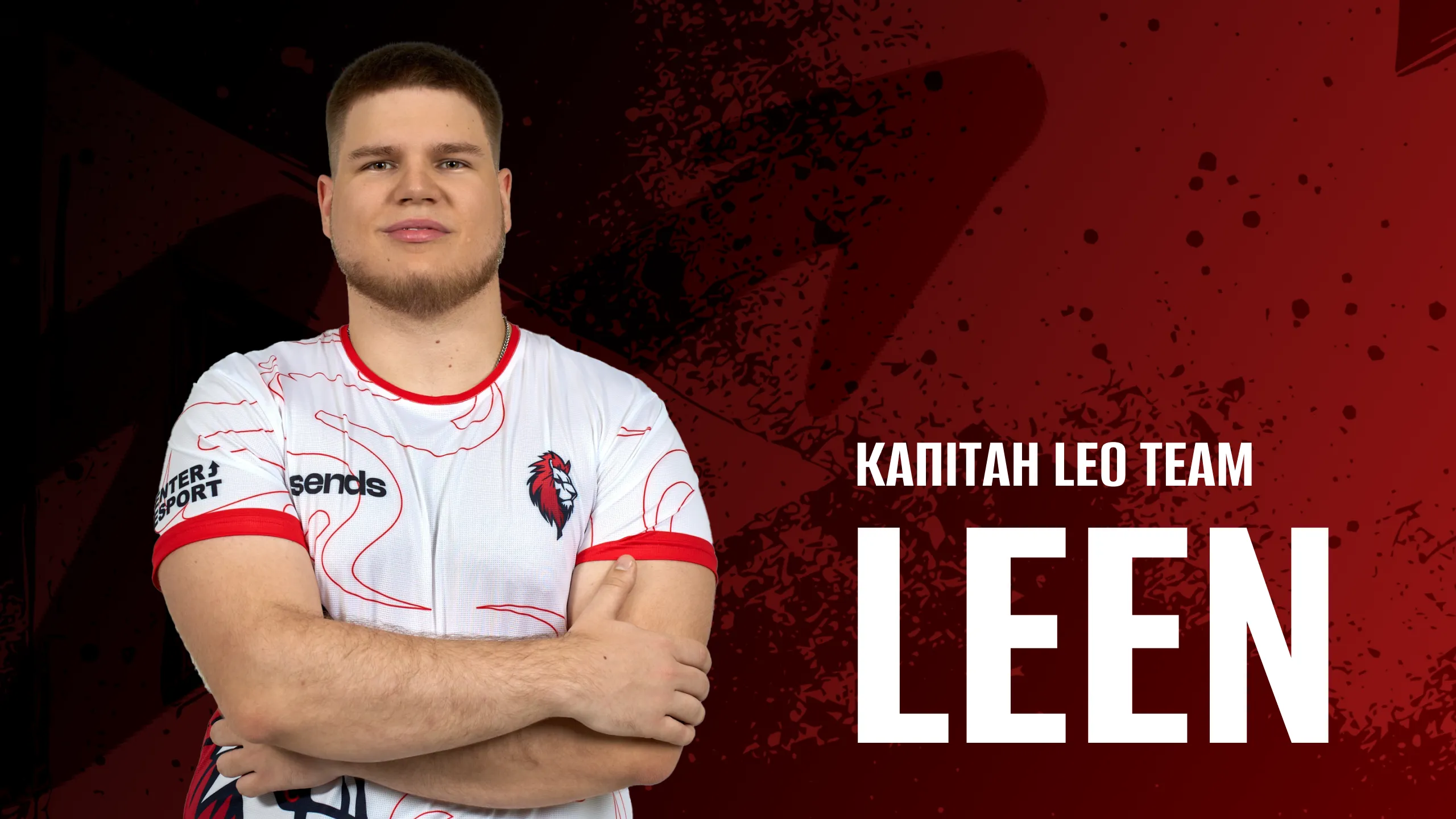
The captain plays a special role on the team. During a match, he must do more than just give commands; he must transform information from five players into a concrete decision: should they continue the play or change direction? Should they play aggressively or slow down the pace? Should they take a risk or play it safe?
At the professional level, there are often only a few seconds to make such decisions. The captain cannot afford to spend a long time analyzing every option—he must trust his knowledge of the game, his preparation, and his team.
Equally important is the ability to sense the team’s mood. If the planned strategy stops working or the team loses control of the game, the captain must notice this in time and not be afraid to change course.
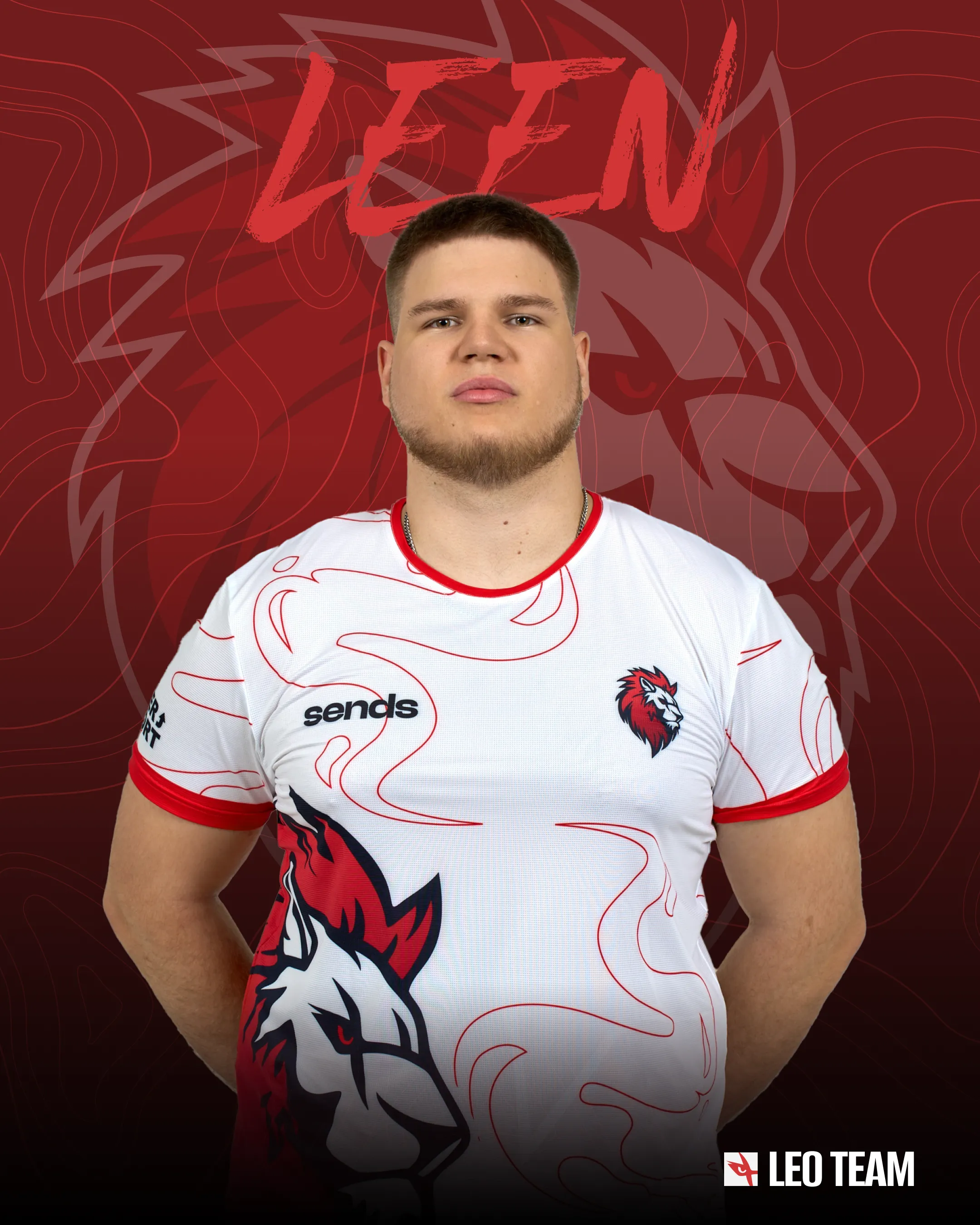 Vladislav “leen” Stepanov – Captain of Leo Team
Communication—the Team’s Main Weapon
In CS2, it’s not enough to just be a good shooter. A professional player must be able to convey information effectively. During a round, the team constantly exchanges dozens of messages: opponent positions, number of grenades, damage dealt, movements, plans for the round, and reactions to the opponent’s actions. But the problem is that too much information can also be a hindrance, so team communication must be clear, concise, and understandable. Every player must know when to speak, exactly what to say, and when it’s better to just listen—this is a skill that can’t be mastered in a single day. It is developed through regular practice and playing together.
Practice isn’t always about the highlight moments
Viewers are used to seeing highlights: an ace, a clutch play, an incredible retake, or a beautiful entry, but most team training looks completely different. A lot of time is spent on repetition: the same play might be run over and over again, as players check their timing, grenades, positioning, and coordination, and if something isn’t working—the team goes back to that moment and breaks it down.
Professional CS2 is largely built on repetition; you’re not just learning to make the right moves—you’re trying to make those moves second nature.
The work doesn’t end after the match
When the final score appears on the screen, it doesn’t necessarily mean the end of the workday for the team. On the contrary—the next phase begins. You need to understand why the match ended the way it did, meaning:
1) if the team won—it doesn’t mean everything was done correctly;
2) if the team lost—it doesn’t mean absolutely everything was wrong.
The players and coach review key moments, analyze mistakes, decisions made, and situations where they could have played better, paying special attention to recurring errors. Losing a single duel might be a fluke, but if the team consistently loses its advantage in similar situations—that’s a problem that needs to be corrected.
The hardest part is correcting a mistake, not finding it
It’s relatively easy to spot a mistake on a replay, but it’s much harder not to repeat it next time—which is why post-game analysis must translate into concrete action:
1) if the team struggles with a specific scenario, they need to practice it;
2) if the problem is communication, you need to work on it;
3) if a player consistently makes the wrong decisions in certain situations, you need to analyze the cause and find an alternative.
In this way, a match becomes not just a result but a source of information for the next practice session.
Professional CS2 Is All About Teamwork
One of the main myths about professional Counter-Strike is that individual skill, mechanics, and aim are everything, but the professional scene is much more than that. It involves: preparation, discipline, communication, tactical thinking, the ability to analyze one’s own mistakes, the work of the coach and captain, and most importantly—the ability of five different players to act as a single unit, as one team.
When a viewer sees a successful push to a site or a winning clutch on screen, they see only a few seconds of the result, but behind those moments may lie hours or days of preparation—and that’s exactly what remains behind the scenes of professional CS2.
A match lasts several hours. The preparation for it takes much longer.




