
Pakistan's textile exports rose 5.55% at the start of the year — Dawn
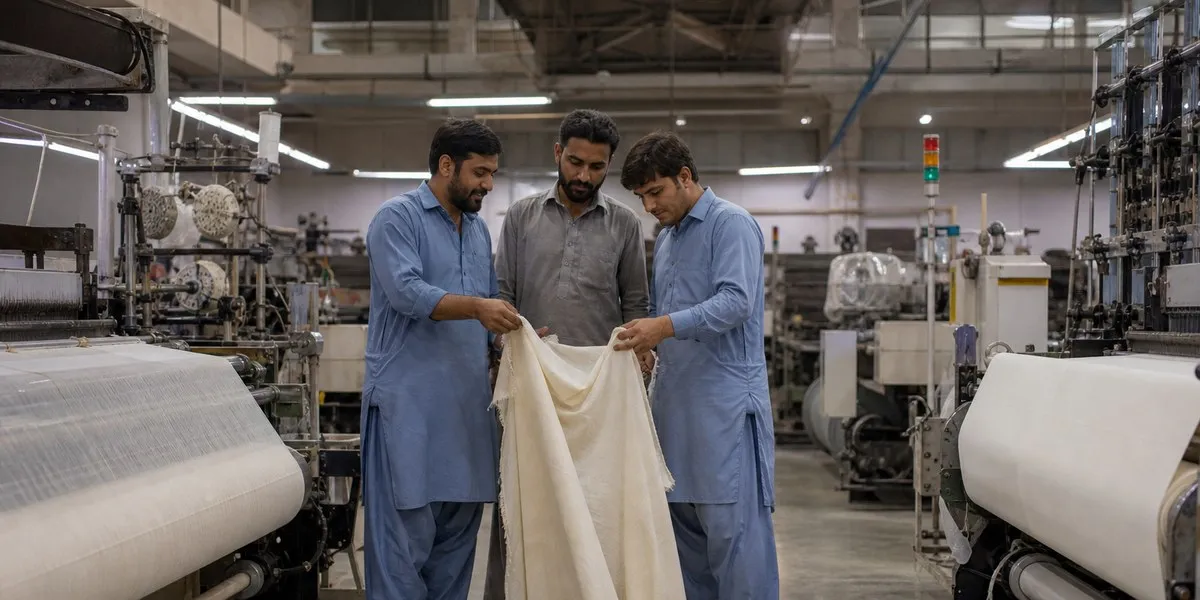
In Pakistan, exports of textiles and clothing increased by 5.55% year-on-year in July–August 2026, reaching $3.38 billion versus $3.20 billion in the same period a year earlier. Shipments of ready-made garments, cotton yarn, knitwear and towels increased most notably, while exports of cotton fabrics declined, Dawn reports.
Growth in the finished products segment
Exports of ready-made garments rose by 13.59% in the first two months of the 2026/27 fiscal year, to $827 million. Knitwear shipments increased by 4.79%, to $1.004 billion; towels by 6.74%, to $191 million; and cotton yarn by 34.8%, to $161 million.
At the end of the 2025/26 fiscal year, the country's textile exports changed little, amounting to $17.93 billion compared with $17.89 billion a year earlier. Ready-made garment exports increased by 3.87%, to $4.29 billion, while cotton yarn exports rose by 12.4%, to $765 million.
Production and raw material risks
According to preliminary data from the Pakistan Bureau of Statistics, large-scale manufacturing grew by 4.98% in the 2025/26 fiscal year. At the same time, overall textile production declined by 0.63%, while garment output increased by 5.49%.
More current news is available on the UA.News Telegram channel Telegram.
In July 2026, overall large-scale manufacturing rose by 3.03% year-on-year. Textile output decreased by 0.03%, but garment production increased by 22.03%.
As of September 15, cotton arrivals at ginning factories amounted to 2.389 million bales, 19.17% more than last year. Arrivals in Punjab rose by 24.73%, while those in Sindh increased by 16.25%. At the same time, the industry is becoming increasingly dependent on imported fiber due to declining domestic cotton production, from a record 14.81 million bales in the 2011/12 fiscal year to about 5.5 million bales recently.
Government policy targets
The draft state policy for the textile and apparel sector for 2025–2030 envisages increasing textile and clothing exports to $29.381 billion by the 2029/30 fiscal year. The document emphasizes higher-value-added products, productivity, investment, sustainability and production diversification.
The article's author notes that Pakistan needs to expand the production of clothing made from chemical fibers and technical textiles. This could reduce the industry's dependence on cotton and open access to broader global markets.




