
Heraskevych refuses to remove ‘Memory Helmet’ at 2026 Olympics
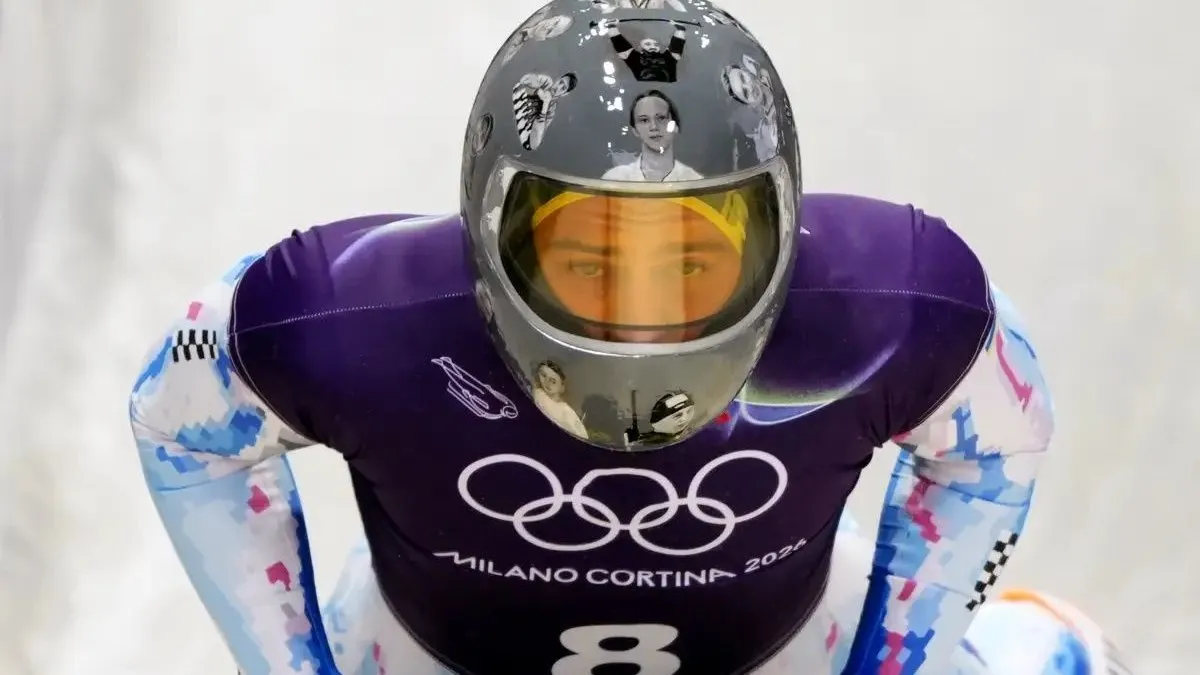
Ukrainian skeleton athlete Vladyslav Heraskevych has found himself at the centre of a major controversy at the 2026 Olympic Games over his intention to honour fallen compatriots.
The athlete prepared a special helmet featuring portraits of 24 Ukrainian sportspeople who became victims of Russian aggression.
The International Olympic Committee (IOC) deemed it political propaganda and imposed a strict ban on the use of the equipment during official competition.
Heraskevych insists that his gesture is not a political act, but simply a way to pay tribute to friends and colleagues.
“I never wanted a scandal with the IOC, and I did not create one,” the skeleton racer said.
He called on organisers to lift the ban, apologise for the pressure, and provide power generators for Ukrainian sports facilities as a sign of solidarity.
In response, IOC representatives, citing Rule 50 of the Olympic Charter, предложed what they described as a “compromise” — replacing the helmet with a black armband.
However, Heraskevych rejected the proposal, alleging double standards within the committee. He pointed out that Italian snowboarder Roland Fischnaller competed wearing a helmet displaying the Russian flag without facing any sanctions from officials.
The athlete’s father and coach, Mykhailo Heraskevych, estimates the likelihood of his son’s disqualification at 95%. According to him, judging by what he described as “absolutely cynical statements by the IOC”, organisers appear determined.
Nevertheless, the Ukrainian team does not intend to back down.
“If we retreat now, tomorrow Russians will already be competing with flags,” the team stated.


