
The Economics of Artificial Intelligence: Who's Really Making Trillions from the AI Boom
12 August 2026 10:20When people talk about the AI industry, they usually mention OpenAI, Google, Microsoft, Anthropic, or NVIDIA. It seems as though AI is primarily about programmers, neural networks, and massive language models.
In reality, a single query to a chatbot involves a much longer industrial supply chain.
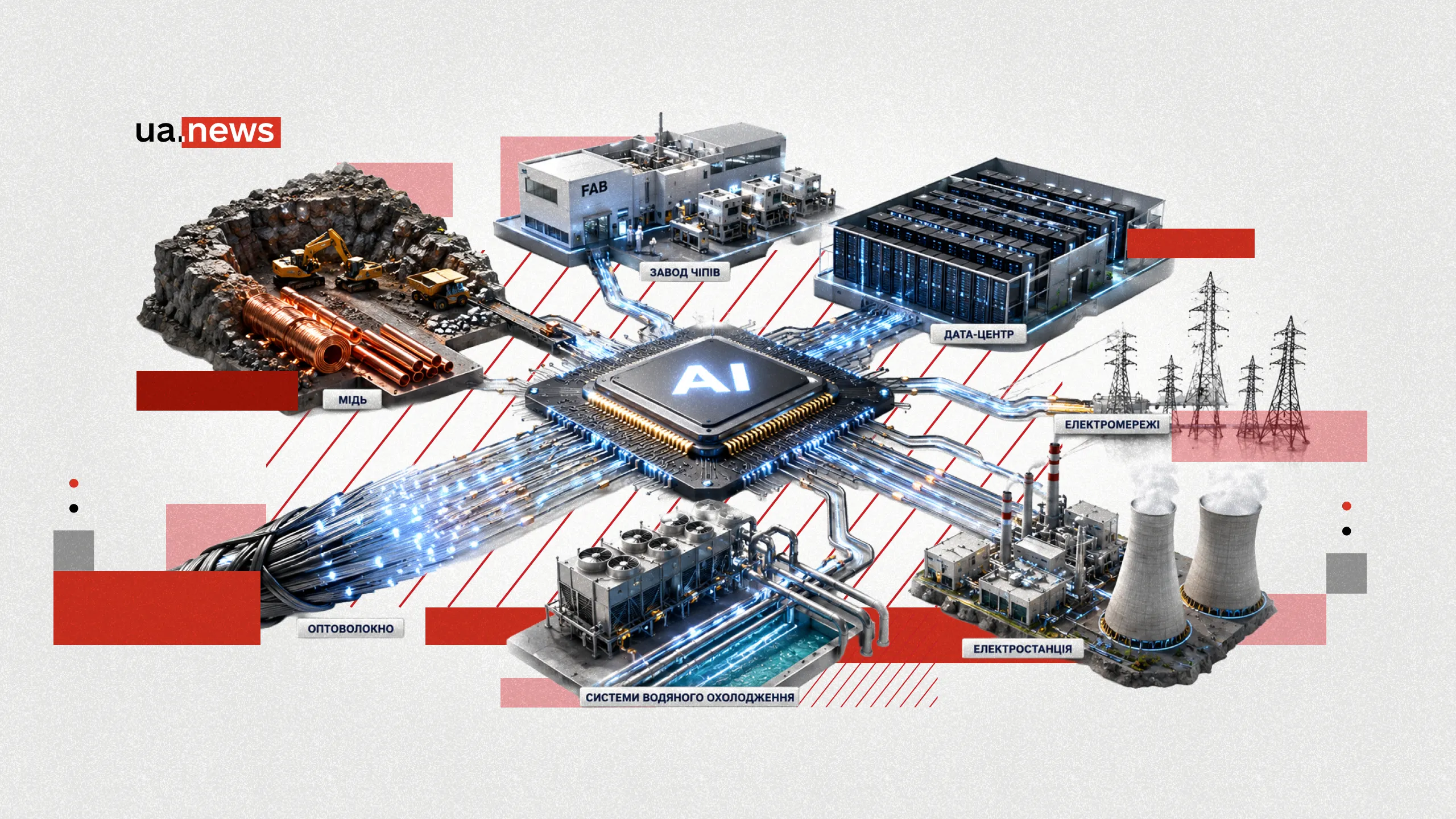
To launch modern artificial intelligence, you first need to mine copper and other raw materials. Then you have to manufacture semiconductor equipment and the chips themselves, assemble servers, construct a massive building, lay fiber-optic cables and power lines, and install transformers, generators, and cooling systems. Next, the data center must be supplied with electricity and water around the clock.
That’s why the AI boom increasingly resembles not just a technological revolution, but one of the largest infrastructure projects of the 21st century.
According to McKinsey’s estimates, by 2030 the world may need about $6.7 trillion in investments in data centers, of which approximately $5.2 trillion will be allocated specifically to the capacity required for AI.
And a significant portion of this money will not go to neural network developers at all.
UA.News explains what the artificial intelligence economy actually consists of, which traditional industries stand to benefit most from the AI boom, and why the main winners of the new technology race may turn out to be manufacturers of transformers, cooling systems, cables, and even mining companies.
$5.2 trillion for AI alone: where will this money go?
The scale of the new economy is most clearly seen through the structure of capital expenditures. McKinsey divides the approximately $5.2 trillion that needs to be invested in AI infrastructure by 2030 into three major groups.
About $3.1 trillion, or 60%, will go toward processors, memory, servers, and other computer equipment. Another approximately $1.3 trillion, or 25%, will go toward power generation, power grids, transformers, generators, cooling systems, and telecommunications infrastructure.
And approximately $800 billion, or 15%, will go toward land, construction materials, and the construction and outfitting of the data centers themselves. And these are only capital expenditures. These estimates do not fully account for future payments for electricity, water, maintenance, repairs, personnel, and equipment upgrades.
That is why the economic impact of AI extends far beyond Silicon Valley.
The First Level of the AI Economy: Land, Mines, and Copper

Paradoxically, one of the key metals of the AI era has been known to humanity for thousands of years. It is copper.
It is needed at virtually every physical stage of building AI infrastructure: in cables, electric motors, transformers, server power systems, generators, cooling systems, and the networks that deliver electricity to data centers.
S&P Global explicitly identifies AI as a major new source of demand for copper. According to the company’s forecast, data centers could increase their share of U.S. electricity consumption from the current 5% to 14% by 2030.
And the more electricity data centers require, the more power plants, substations, transformers, and high-voltage lines are needed.
In other words, additional demand for copper arises in two places: directly within the data center and in the energy infrastructure surrounding it.
As a result, mining giants, cable manufacturers, metallurgical companies, and suppliers of electrical raw materials are becoming indirect beneficiaries of the AI boom.
And this represents a significant shift in the very logic of the technology business. The new ChatGPT model cannot be scaled simply by adding more programmers. At a certain point, it literally requires extracting more metal from the ground.
Next comes the most expensive stage—chips

After the raw materials comes the most technologically advanced part of the chain.
Training and running large models requires GPUs, specialized AI accelerators, high-bandwidth memory (HBM), central processing units (CPUs), network chips, and dozens of other components.
According to McKinsey’s estimates, this is where the lion’s share of future AI capital could go—about $3.1 trillion by 2030 for chips, servers, and related computing equipment.
But even here, NVIDIA is just one link in the chain. A chip must first be designed, then manufactured.
Taiwan’s TSMC remains one of the world’s leading chip foundries. In the second quarter of 2026, the high-performance computing segment already accounted for 66% of the company’s revenue, with its revenue growing by another 20% in that quarter alone. The manufacturer itself attributes the strong demand primarily to AI and HPC.
But even TSMC cannot simply take a silicon wafer and print a modern processor on it. This requires machines costing hundreds of millions of dollars.
ASML: The Company Without Which There Would Be No Cutting-Edge AI Chips
One of the most unexpected winners of the AI boom has been the Dutch company ASML.
The company manufactures extremely complex lithography systems that semiconductor manufacturers use to create state-of-the-art chips.
In the second quarter of 2026, ASML reported €9.3 billion in revenue and €2.9 billion in net income. For the full year 2026, the company is already forecasting €43–45 billion in sales.
ASML directly attributes the rise in demand to large-scale AI investments, which are forcing logic and memory chip manufacturers to accelerate their factory expansions. Thus, a single AI accelerator creates an entire revenue pyramid.
NVIDIA sells the processor. TSMC earns money from its production. ASML earns money from the equipment without which TSMC cannot create cutting-edge processes. At the same time, manufacturers of chemicals, silicon wafers, gases, memory, packaging, and hundreds of component suppliers are all profiting.
You’ve bought the chip. Now you need to build a home for it
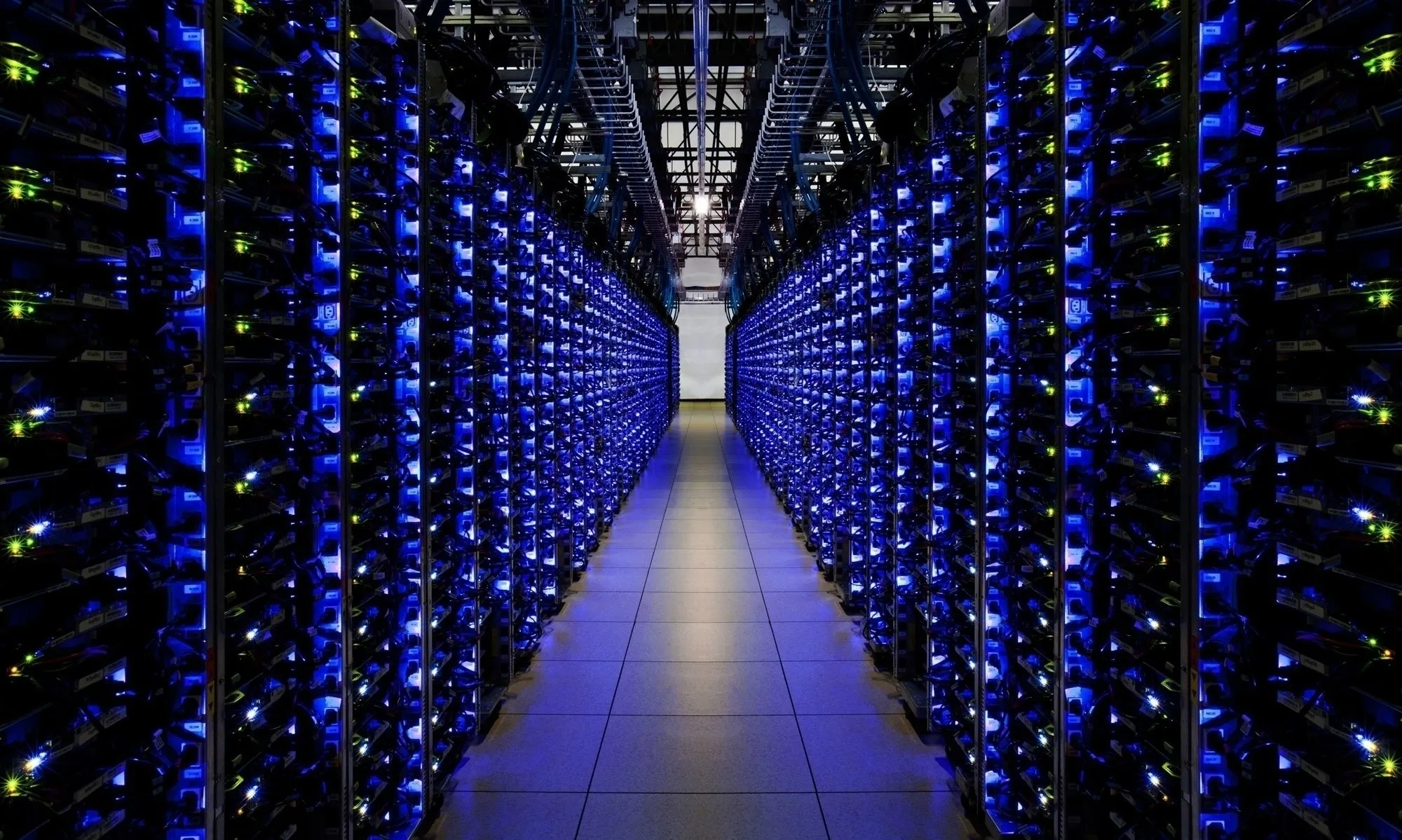
You can’t just set up thousands of GPUs in an office. They require specialized data centers.
These are massive complexes with their own power supply systems, backup generators, batteries, transformers, cooling systems, fire safety measures, physical security, and telecommunications infrastructure.
According to McKinsey’s estimates, the construction portion of AI infrastructure alone could require about $800 billion by 2030.
The money will go to developers, architectural and engineering firms, concrete and steel manufacturers, installers, electricians, landowners, and real estate operators.
Moreover, building a data center is becoming less and less like building a conventional warehouse. Modern AI clusters have such a high concentration of equipment that the center’s very structure must be designed around the needs of the processors.
McKinsey notes that GPU architecture today effectively dictates the requirements for future power and cooling systems even before construction of a data center begins.
Transformers—The Unexpected Winners of the AI Boom
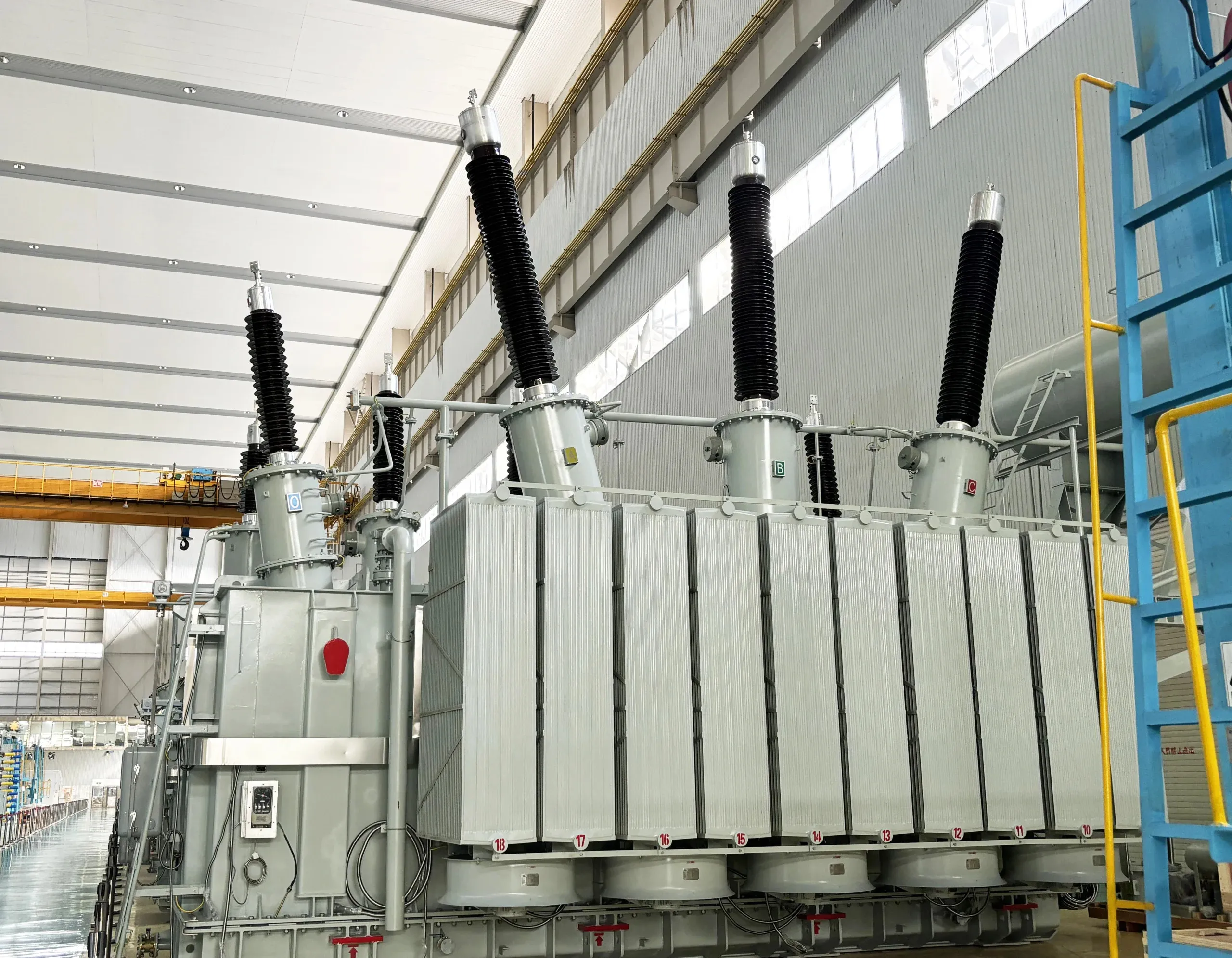
Just a few years ago, a transformer was hardly associated with the hottest sector of the global economy. Now the situation has changed.
An AI data center can consume hundreds of megawatts of electricity. And before this energy reaches the servers, it must be transmitted through substations, transformers, distribution systems, UPS units, and other equipment.
Demand is growing faster than manufacturers can ramp up production.
McKinsey reports that lead times for certain types of equipment in North America can already be as long as about 80 weeks for medium-voltage switchgear and 50 weeks for transformers.
One of the most telling examples of this new boom is the U.S.-Irish company Eaton.
The company manufactures electrical equipment for data centers, industry, and the energy sector.
In the second quarter of 2026, its sales reached a record $8.5 billion, up 21% year-over-year. The Electrical Americas division alone generated $4 billion in sales. At the same time, Eaton itself explicitly cites data centers as one of the key drivers of its growth.
In other words, AI has already created a massive market not only for GPU manufacturers but also for companies whose business has centered on manufacturing electrical equipment for decades.
Cooling is becoming a separate, multi-billion-dollar industry
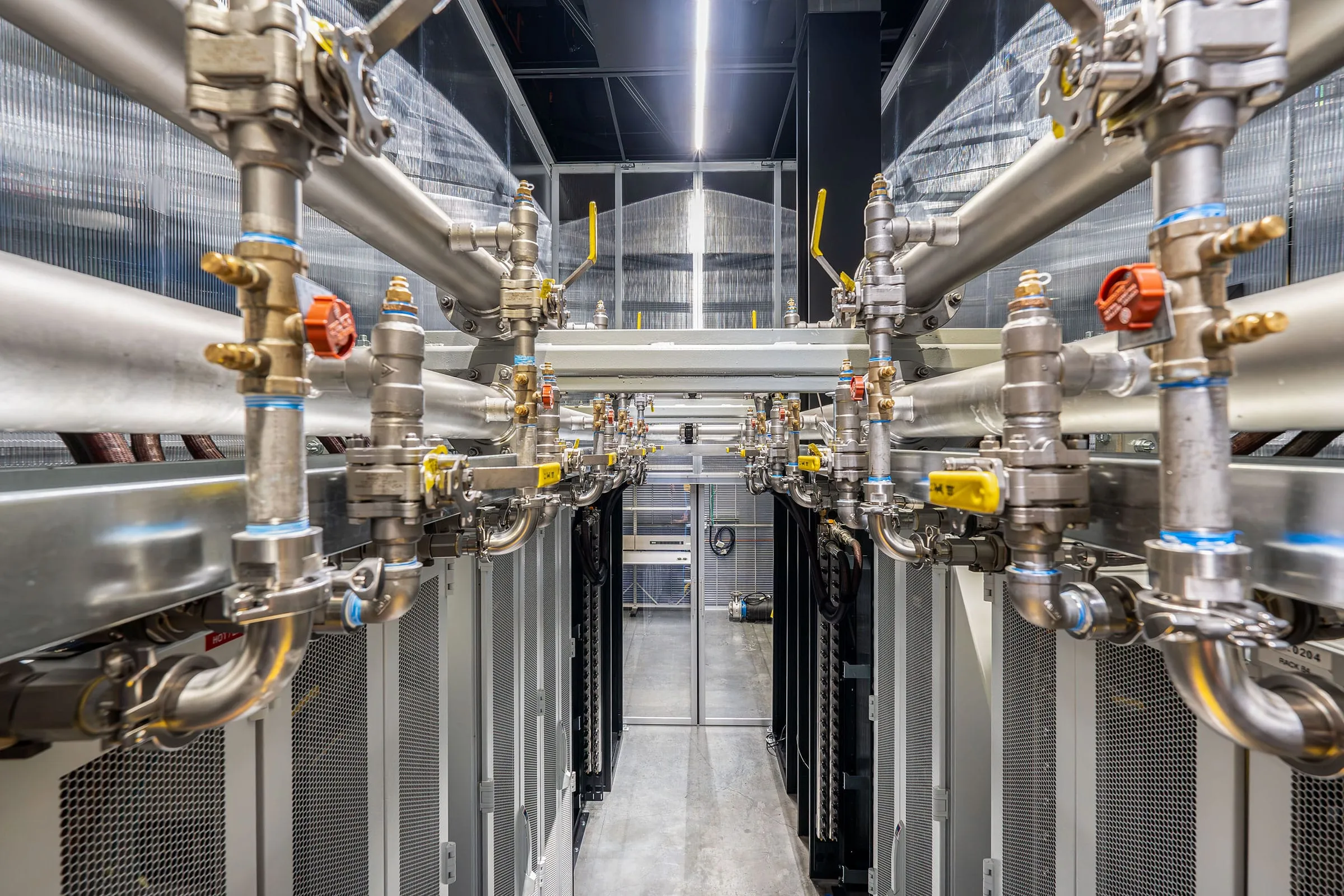
There is another fundamental problem: the electrical energy consumed by a processor is largely converted into heat.
The more powerful the AI chip, the harder it is to cool.
Traditional cold-air circulation is no longer sufficient for the most dense AI systems. Therefore, the industry is shifting to liquid cooling, where heat is removed directly from the processors.
McKinsey notes that liquid cooling is evolving from a niche solution into a basic requirement for many new AI data centers.
And this is where a new group of winners is emerging. One of the most prominent companies is Vertiv, which manufactures cooling systems, uninterruptible power supplies, and other critical infrastructure.
In the second quarter of 2026, Vertiv reported $3.27 billion in sales, up 24% from a year earlier. The company’s operating profit rose by 44%.
For the full year 2026, Vertiv expects revenue of approximately $14 billion. The company explicitly states that demand for its products is being driven by the growth of AI and overall computing workloads.
In fact, the development of neural networks has created a situation where a company that sells cooling and power systems is demonstrating growth rates that, until recently, were typical of tech startups.
The biggest challenge for AI is where to get the electricity
Once a data center is built and filled with GPUs, the next stage of the economic cycle begins: recurring costs.
The main one is electricity.
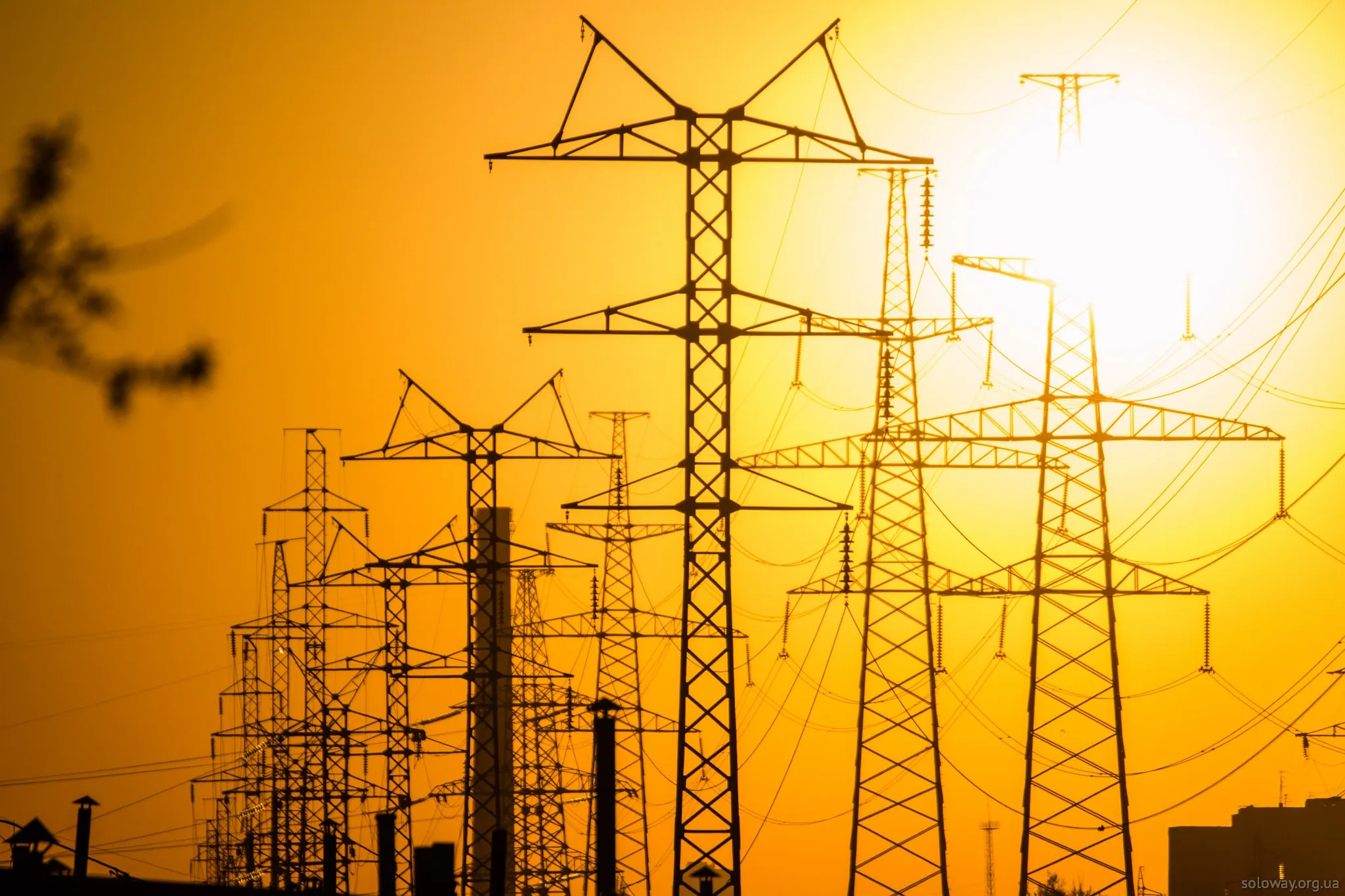
According to the International Energy Agency, global electricity consumption by data centers continues to grow rapidly, and in a more aggressive scenario, it could exceed 1,700 TWh per year by 2035.
For comparison, these figures are already comparable to the energy consumption of major countries.
As a result, technology corporations are increasingly becoming players in the energy market. They are entering into long-term contracts with power plants, investing in solar and wind power, and exploring geothermal energy, gas-fired power plants, and nuclear power.
As a result, AI is creating a huge new class of customers for energy companies.
According to McKinsey’s estimates, electricity generation alone within the framework of future AI infrastructure could require about $300 billion in investment. This would be equivalent to approximately 150–200 GW of new gas-fired generation, if all of that capacity were built using gas.
Along with electricity, AI requires new networks
Building a power plant is not enough. Electricity must be delivered to a specific data center.
Consequently, there is a demand for high-voltage lines, substations, transformers, energy storage systems, and electrical equipment. And here, AI begins to influence not just individual companies, but the power system planning of entire countries.
In some regions, the problem is no longer the cost of electricity, but the physical ability to connect a new data center to the grid.
That is why McKinsey estimates the entire segment—power generation, transmission, cooling, electrical equipment, and part of the grid infrastructure—at approximately $1.3 trillion in AI investments by 2030.
This is a massive new market for companies that, just a few years ago, were barely mentioned in discussions about artificial intelligence.
AI also requires millions of kilometers of cables
Data centers must be interconnected.
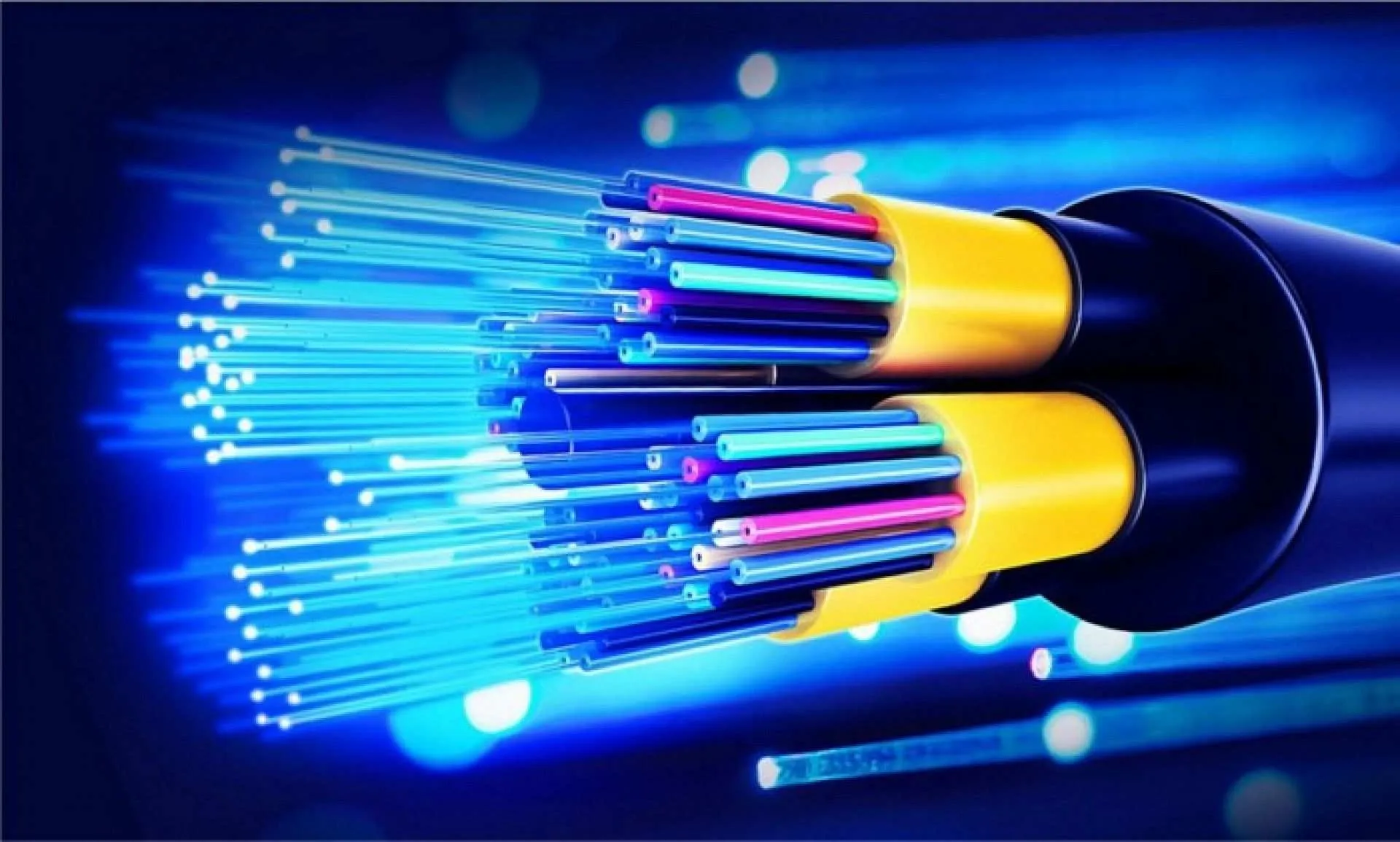
A user in Kyiv might send a request that passes through several telecommunications nodes and is processed in a server cluster thousands of kilometers away. Therefore, the AI boom also means a boom in fiber-optic networks.
McKinsey estimates the potential investment needed for fiber-optic networks at approximately $150 billion. According to the consulting firm’s calculations, this money could be used to lay about three million miles of fiber-optic lines—enough to circle the Earth approximately 120 times.
Consequently, telecommunications network operators, optical cable manufacturers, and network equipment manufacturers are among the next indirect beneficiaries of AI.
Who Is Making the Most Money from AI?
If we look solely at future capital expenditures, there is only one clear winner so far—the semiconductor and server industries.
Of the $5.2 trillion in projected AI investments, approximately:
- $3.1 trillion—60%—chips, servers, memory, and computer equipment;
- $1.3 trillion — 25% — electricity, networks, transformers, generators, cooling, and telecommunications;
- $800 billion — 15% — land, construction, and materials.
But there’s an important caveat.
This $5.2 trillion is not corporate profit, but capital that will be spent on building infrastructure. The actual revenue for each sector will depend on margins, competition, the cost of raw materials, and the pace of project implementation.
However, it’s already clear today who stands to gain the most indirectly from AI.
ASML forecasts tens of billions of euros in annual sales of chip-manufacturing equipment. Vertiv expects approximately $14 billion in revenue in 2026 amid growing demand for data centers. Eaton is already seeing record sales in its electrical business. TSMC derives most of its revenue from high-performance computing.
Further down the supply chain are hundreds of less prominent manufacturers of transformers, cables, pumps, heat exchangers, generators, steel, concrete, and electrical equipment.
AI is gradually evolving into a major infrastructure sector of the global economy in its own right.
Perhaps the main symbol of the current revolution is the GPU. But for it to work, it requires copper, water, concrete, power plants, transformers, cables, generators, air conditioners, and thousands of people to build and maintain it all.
And this is precisely where the main economic paradox of the AI boom may lie. Artificial intelligence seems like the most intangible technology—just a few words in a browser window.
But behind those words lies one of the largest physical industrial transformations in the modern world.


