
An expedition to test Einstein's theory in 1914 was derailed by World War I
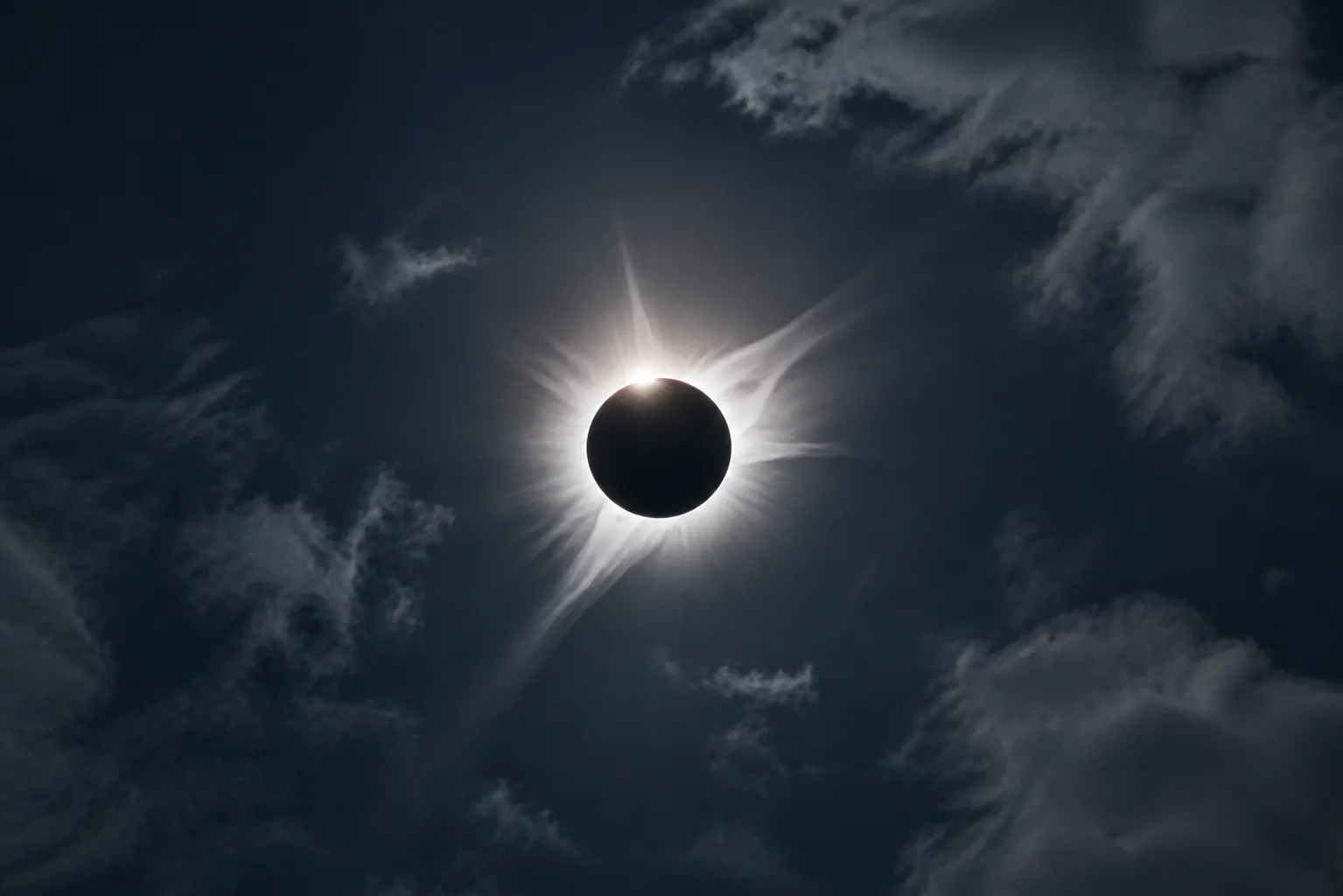
On August 21, 1914, a total solar eclipse briefly covered Europe and Asia. German astronomer Erwin Finlay-Freundlich led an expedition to the Crimean Peninsula to conduct observations during the eclipse that might confirm Albert Einstein’s general theory of relativity.
According to this theory, the light from distant stars located near the edge of the Sun in the sky should be slightly shifted due to the curvature of space. It is possible to see such stars during a total solar eclipse, when the Moon blocks the Sun’s bright light, according to Space.com.
For more breaking news, follow the UA.News Telegram channel.
However, the outbreak of World War I, 20 days before the eclipse, derailed the scientific mission. After Germany declared war on Russia, Freundlich and his colleagues were captured by the Russian army, and their equipment was confiscated.
Later, on May 29, 1919, a solar eclipse was used to confirm the general theory of relativity. Today, scientists continue to test this theory using various methods and observations.


