
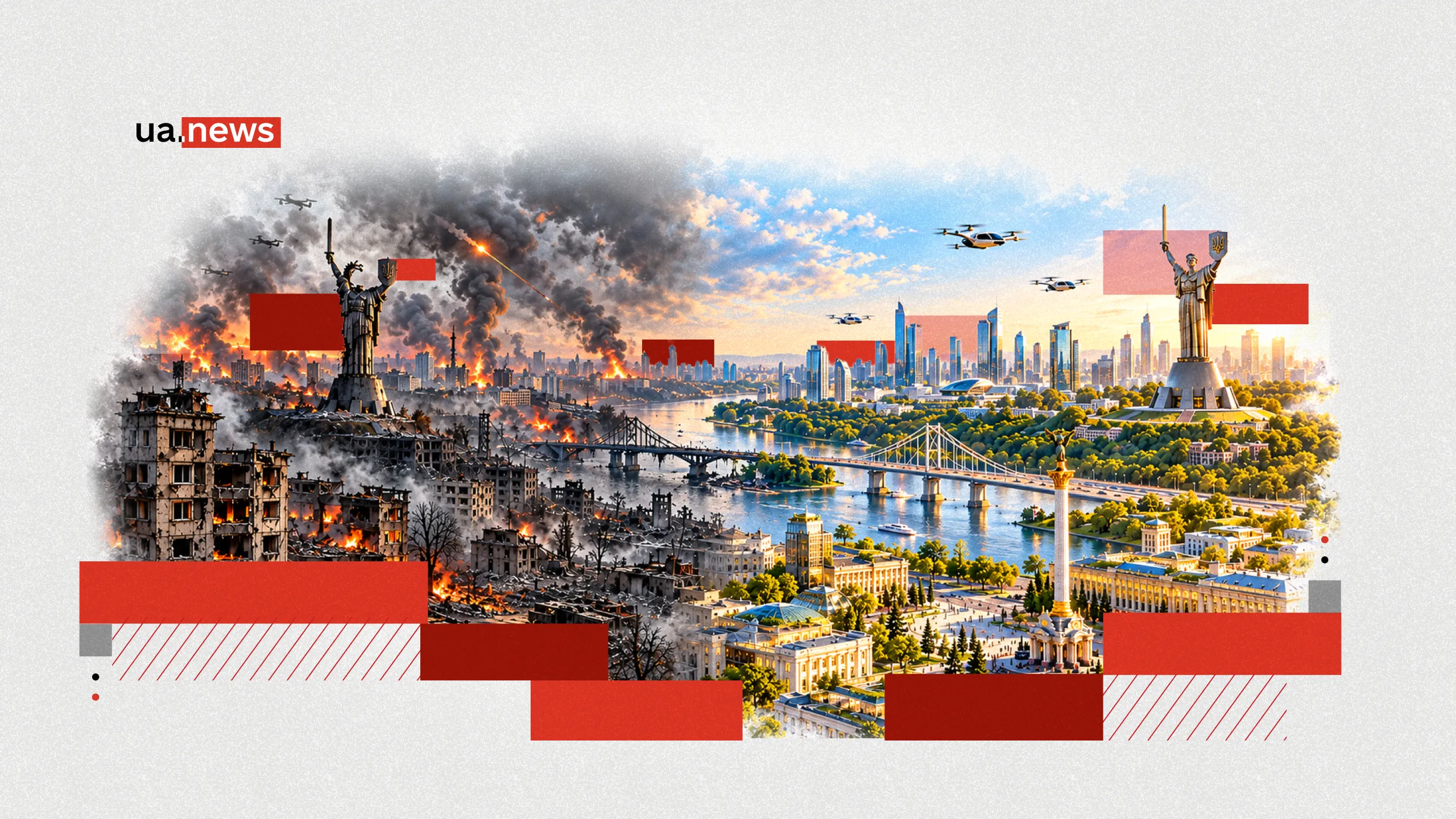
Recently, Ukrainian Prime Minister Serhiy Koretskyy cited a staggering figure: the total annual cost of the war to Ukraine is estimated at $155 billion. This amount includes both budgetary and extra-budgetary expenditures: from missiles for the “Patriots” and launchers to aircraft, ammunition, and basically everything that is transferred to Kyiv as material assets. In other words, this isn’t just money—it’s the price of the country’s physical survival. And this sum is frankly enormous even by the standards of the world’s richest countries. It’s more than the GDP of about a third of European nations.
Let’s do a rough calculation: even if we take 155 billion as the annual average over nearly five years of full-scale war (though in reality this isn’t entirely accurate, since the figure rises every year), the total costs amount to an astronomical figure of over $600–700 billion. By comparison: Poland has received about €270 billion from Brussels over more than two decades of EU membership—and has managed to build one of Europe’s most dynamic economies. Moreover, this amount is still considered one of the largest investment projects in the history of the European Union. According to Warsaw, after accounting for contributions to the EU budget, Poland’s net gain amounted to over 171 billion. And once again: that’s over more than two decades! Ukraine, on the other hand, is spending a comparable amount in just… one or two years of war.
Now let’s imagine for a moment: what if that same money—or even just $100 billion a year—were invested not in weapons and destruction, but in roads, energy, schools, hospitals, factories, and other infrastructure? What kind of country could we have built? This, of course, is by no means an academic study, but even rough estimates are staggering. So would Ukraine have become a “second Poland” or even an “Eastern European Switzerland” if all this money had been invested not in destruction but in development? Read more in this UA.News article.
How much does the war cost, and what portion of this money is “excessive”?
First, an important note: not all of the $155 billion cited by the prime minister consists of “new” expenditures that didn’t exist in peacetime. Ukraine, of course, was spending on defense even before 2022. For example, in 2021, the military budget was about $6.9 billion. If we subtract this “base” figure from the current $155 billion, we get approximately $148 billion per year spent solely on the war. Over five years, this amounts to between $600 billion and $700 billion—and possibly even more.
According to data from the Ministry of Finance, as of early 2025, donors had allocated over $161 billion to Ukraine in the form of concessional loans. Total international aid to Ukraine for the years 2022–2024 alone amounted to about $287 billion. In other words, the amounts the West has spent on the war in literally two or three years are comparable to what Poland received over more than 22 years of peaceful development.
To complete the picture, it is worth mentioning Russia as well. The Kremlin’s total expenditures on the war against Ukraine since 2022 have reached $746 billion. If Moscow had invested even a quarter of those funds in Ukraine—in its economy, infrastructure, and cultural and educational projects—it would have gained its most reliable ally, rather than its most bitter enemy. But history does not deal in “what-ifs,” and in the end, the path of war was chosen.
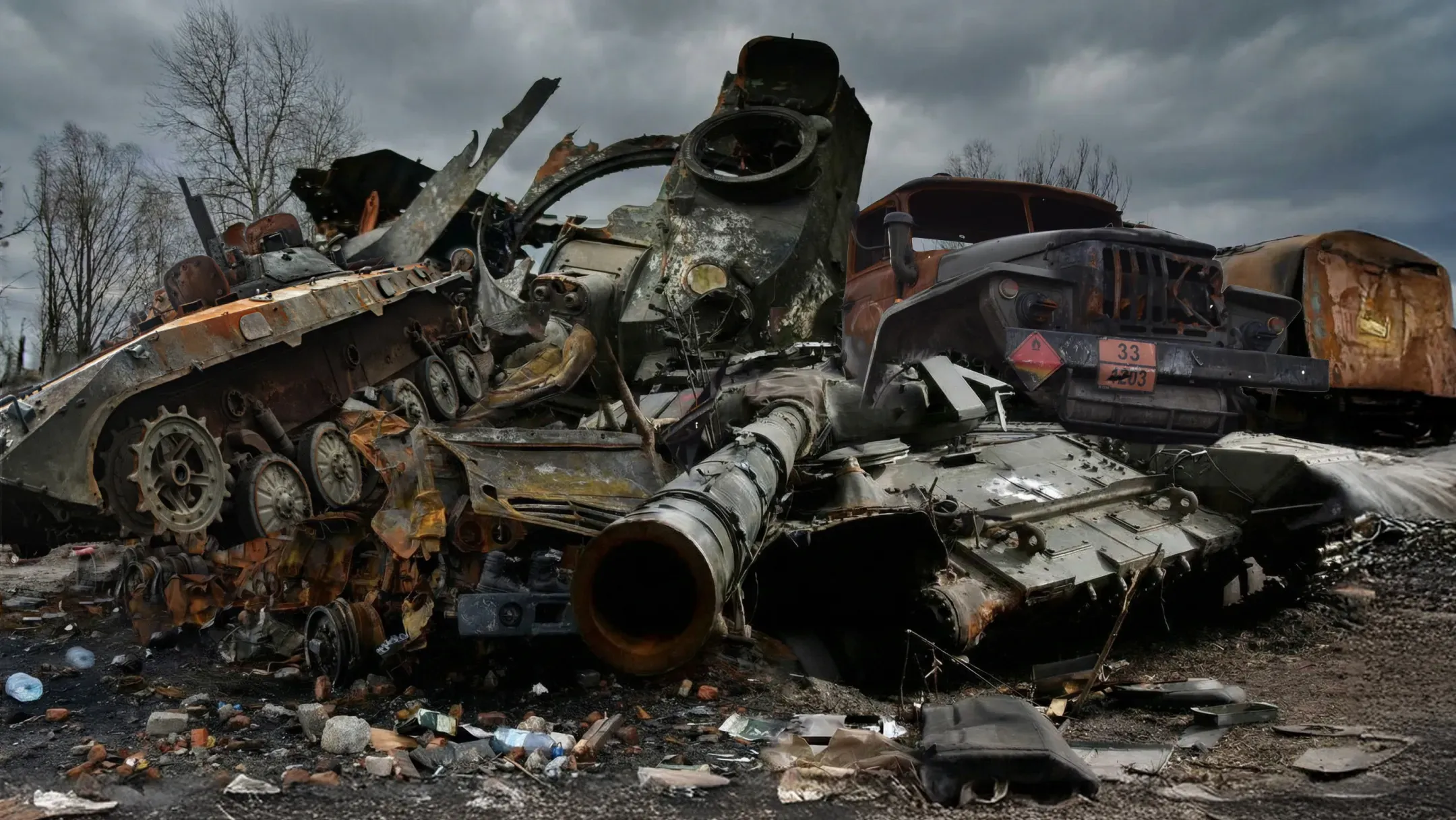
What could have been built with this money: specific projects
The simplest way to visualize the scale of lost development opportunities is to calculate these funds in terms of infrastructure. For example, the average cost of building one kilometer of a first-class road is about 170 million hryvnias (approximately $6 million at the 2021 exchange rate). If we took the $148 billion in military spending and redirected it toward road construction, we could build over 35,000 kilometers of new roads every year. In other words, in 8–10 years, it would be possible to completely rebuild from scratch literally ALL existing roads in Ukraine, and they would become the newest and most modern in the world.
Or take education. In 2021, total spending on education in Ukraine amounted to 319 billion hryvnia (approximately $11 billion). In other words, $148 billion in “military” spending is more than 15 annual budgets for the country’s entire education system. In just one year’s worth of war spending, it would be possible to completely rebuild all schools, kindergartens, and universities combined—and still have money to spare.
Healthcare is another critically important social sector. In 2021, spending on healthcare amounted to about 173 billion hryvnia (approximately $6 billion). In other words, $148 billion is nearly 25 times the annual healthcare budget. With this money, it would be possible to build a modern network of European-standard hospitals in every regional center, purchase the latest equipment, and raise doctors’ salaries high enough that they would stop leaving the country altogether—and there would still be “leftovers” of these funds.
Another equally important infrastructure sector is, of course, energy. Russian shelling over the years has destroyed or damaged nearly all of Ukraine’s power generation capacity. Equally important are the housing and transportation sectors, which have also suffered terrible destruction, especially in frontline areas. According to the World Bank, as of the end of 2025, the total cost of Ukraine’s reconstruction is estimated at $588 billion. In other words, roughly four years’ worth of military spending would be enough to fully rebuild the entire country to the highest standards.
But what matters most is not roads or hospitals, but people. With this money, it would be possible to create literally hundreds of thousands of new jobs (if not a million or more), bring home those who have left, halt the demographic crisis, and so on. We could ensure that young people wouldn’t seek a better life in Europe, but would stay home and build their future here. Or, quite simply, start providing financial assistance to everyone living below the poverty line, thereby eliminating poverty as a phenomenon in Ukraine.

Why hasn’t the West done this sooner?
The question naturally arises: if Europe and the Western world as a whole can find hundreds and hundreds of billions of dollars for war—why haven’t they found at least a third of that money for peace? Why haven’t they invested it in Ukraine the way they did in Poland? Perhaps if Ukraine had received at least $20–30 billion in development investments each year back in the 2000s, it would have strayed so far from Russia on its own path—economically, socially, politically, and so on—that it simply wouldn’t have made sense for Moscow to attack. But the Western world chose a different strategy: for decades, it watched as Ukraine balanced between various geopolitical forces until it was too late.
And even now, when instead of funding for development, Ukraine has to find money for the war, it turns out that these funds don’t even come close to solving all its problems. Currently, Ukraine has a defense deficit of about $27 billion. In other words, there isn’t even enough money for the war—let alone for development. The country is living in debt, and that debt is constantly growing.
As a result, unfortunately, we are left with the situation we’re in. The war continues, becoming increasingly all-out, and the cost will only rise. And the longer it lasts, the fewer chances there are that anyone will ever undertake any large-scale reconstruction—given that, if hostilities continue, the losses will continue to grow exponentially.
Expert
Opinions
Economist Yuriy Gavrylechko notes: Ukraine spends more than 75% of its GDP on the war each year. That’s an astronomical amount of money.
“What kind of country could we have built with that money if it had been spent on development? Both the question and the answer here are very specific: exactly the same one we have now. Perhaps even less would go toward development than before. And the rest of the money would simply be stolen and taken abroad. Because in order to spend anything on development, you need agents of change who are focused on that very development. Everything must work toward development—money alone is not enough! Moreover, money is secondary compared to administration and the elites’ desire to change things for the better so they can make money in other ways,” Gavrylechko noted.
According to the expert, throughout its entire history, humanity has invented only three sources of income for the elite: stealing from profits, stealing from losses, and plundering neighbors. No other sources of income for the elite exist, nor have they ever existed. Consequently, the path a country takes depends on which option its elite chooses.
“If the elite chooses the path of stealing from profits, then we see something like Venice or the Hanseatic League, or, for example, Carthage or Phoenicia. These are great trading powers. If the path of plundering neighbors is chosen, then we see the reincarnation of yet another empire in the vein of Alexander the Great, Ancient Rome, and so on. And if the elites choose the path of plundering at the expense of losses, it usually ends with the collapse of the state itself. This path is the opposite of the path of development. Our elites have chosen precisely the path of plundering at the expense of the people… The conditions created here do not foster development. All these years, we’ve been living off the legacy of the USSR. Then we began to eat into the current revenues of businesses. When problems arose with that as well, they turned on the citizens. In such a paradigm, no matter how much money you give, none of it will go toward development. With such a system in place, Ukraine simply could not build anything,” Yuriy Gavrylechko asserts.
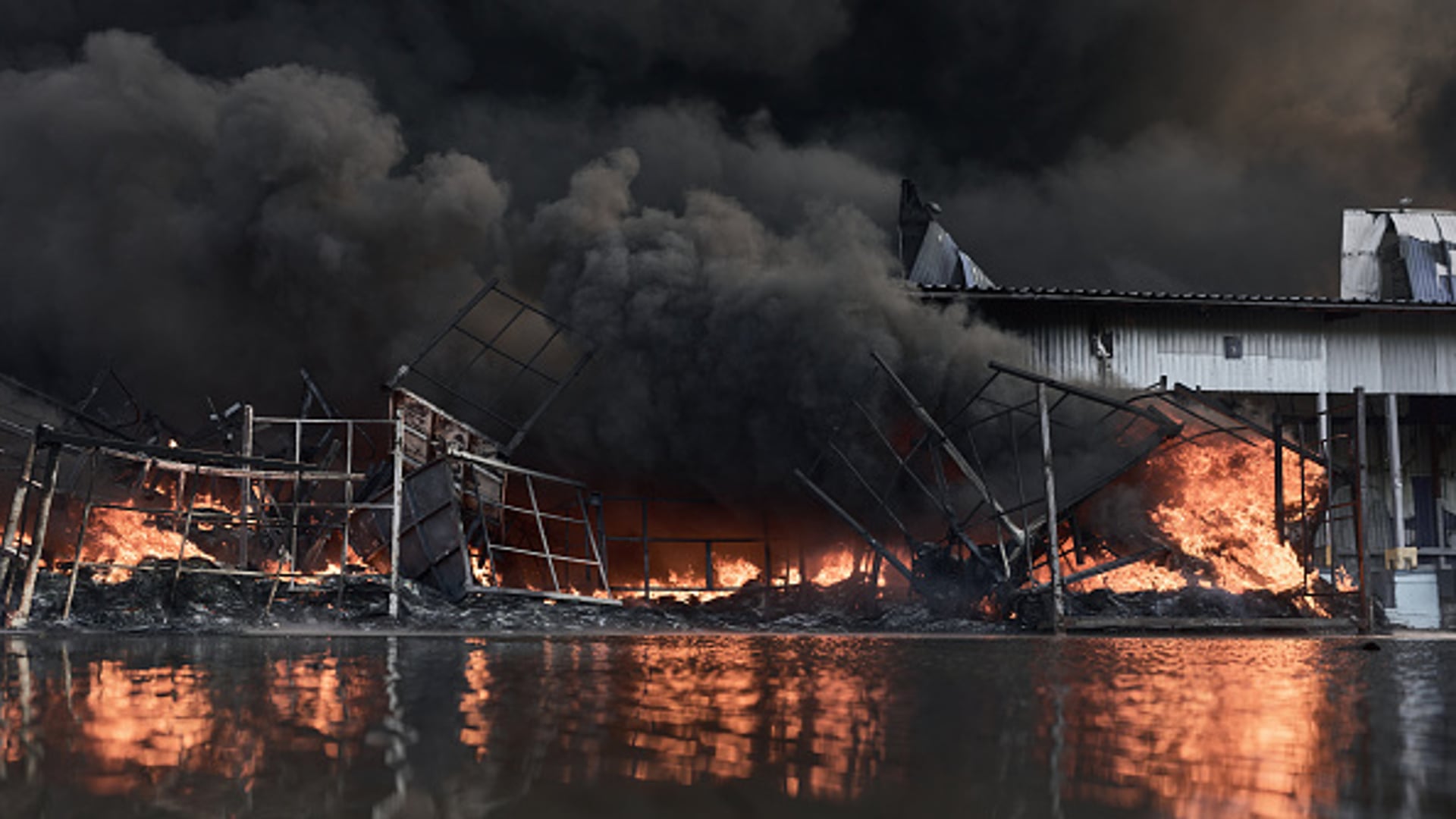
Political
scientist Maksym Honcharenko notes: if you tally up all the money allocated to support Ukraine during the war, you can draw a comparison with neighboring countries that, with significantly fewer resources, have managed to build quite successful and developed states. For example, Poland may not rank among the top countries in Europe in terms of standard of living, but it has nonetheless achieved economic and social success. In Ukraine’s case, however, things work differently, the expert believes. It is, of course, possible to tally Ukraine’s expenditures and estimate how much benefit they would have brought to the state in peacetime. But it would be wrong to automatically expect the same result as in Poland.
“Why is that? First and foremost: Ukraine’s expenditures are not spent on domestic development. These are forced expenditures related to the war. War involves the least profitable of all forced expenditures. Ukraine’s western neighbors are able to build roads, industrial facilities, and energy infrastructure, as well as provide social support. Ukraine, on the other hand, spends money on weapons, air defense, and repairing the damage caused by the war, among other things. In fact, while Warsaw is investing in the future, Kyiv is forced to ensure its very survival. The second issue is constant political and diplomatic instability. Ukraine is a country that has long tried to balance between two camps. And changes in government have meant not so much a change in management approaches as attempts to alter the political course itself. With this approach, strategic goals may exist, but mostly in rhetoric. In practice, we see a corrupt element that “shoots the state in the foot” in the long run but yields immediate profits. Corruption here is one of the symptoms of this way of thinking. Meanwhile, EU member states receive not only preferential treatment but also European oversight.
Third is the different economic climate in each country. Poland isn’t just a country that “knows how to spend money.” Poland is also the reforms of the 1990s, integration into the pan-European (especially German) economic and industrial system, and predictable rules of the game that allow business to thrive, and so on. Ukraine, on the other hand, is still only in the process of reforming its system. Therefore, it is unrealistic to expect rapid and productive changes… If we look solely at the numbers, Ukraine could indeed implement a development project on par with Poland’s—and even surpass it—in terms of the scale of its resources. But Poland had more than just money: it had decades of peace, security, and predictability. Ukraine, in turn, is forced to spend enormous resources not on development, but on its very right to exist as a state. And this is the main economic tragedy of this war,” says Maksym Honcharenko.

In
summary, $155 billion in annual military spending is not just a huge figure, but also a kind of alternative history of Ukraine that we will never see. With that money, we could have built a completely different country. Had that money been invested in development, we could have surpassed Poland, overtaken the Czech Republic and Slovakia, and become the leader of Eastern Europe. We could have turned Ukraine into something close to an “Eastern European Switzerland”: not literally, of course, but it would have been a country where everyone would want to live, work, and raise children.
But, unfortunately, all that money ultimately went toward the war rather than toward development. And worst of all, the war shows no signs of ending. Even Russia, which has spent over $746 billion on its aggression, could have become a completely different country if it had invested at least half of those funds in itself and/or in Ukraine. But the Kremlin chose the path of destruction and death.
The question of why the West didn’t turn Ukraine into a “prize” sooner certainly sounds very naive, but at the same time, if you think about it, it’s entirely fair. Perhaps the problem is that in 2022, the major geopolitical players decided to react rather than take preemptive action. But that doesn’t make things any easier for Ukrainians. Because while others react and defend themselves at the expense of others, Ukraine is paying the highest price: its own people and its own future.
Over more than four and a half years of war, the country has lost its demographic potential, has nearly lost its economy, has lost territory, and, ultimately, has lost its future. As long as the war continues, this price is rising and will continue to rise. And along with it, the gap is widening between the country Ukraine could have been and the one it has become as a result.




