
June 30 marks the Feast of the Twelve Apostles: Traditions and Superstitions
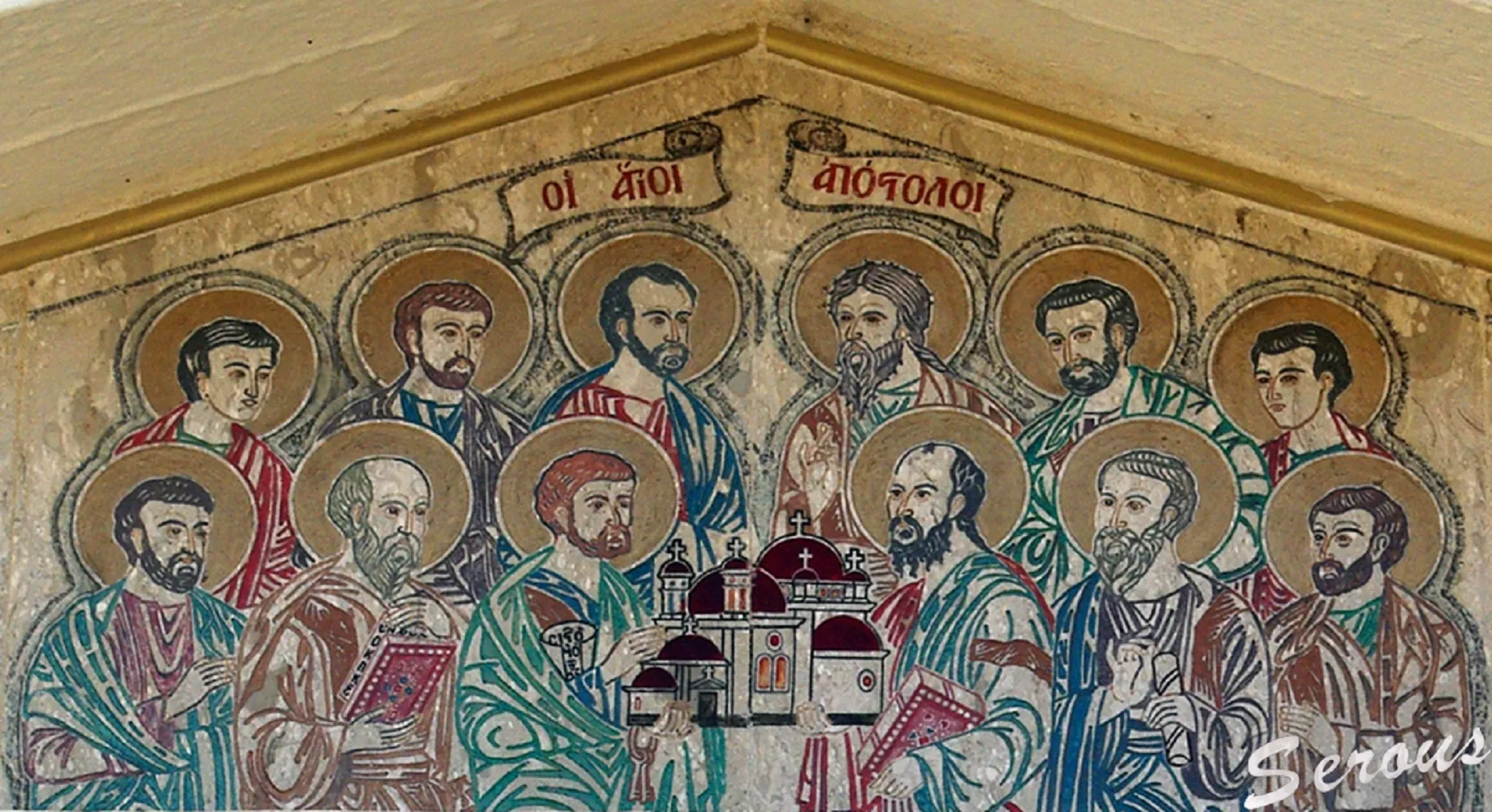
In the folk calendar, June 30 marks the Feast of the Council of the Twelve Apostles, which in ancient times was also called “Makovka of Summer” or “Second Easter.” This is a day of remembrance for the closest disciples of Jesus Christ, with which many strict prohibitions regarding household matters and work on the land are associated.
This feast is celebrated after the feast of Saints Peter and Paul and is dedicated to the closest disciples of Jesus Christ, who preached the Gospel and spread the Christian faith. The Church commemorates Peter, Andrew the First-Called, John the Theologian, James the Son of Zebedee, Philip, Bartholomew, Thomas, Matthew, James the Son of Alphaeus, Judas son of James, Simon the Zealot, and Matthias, who took the place of Judas Iscariot.
The feast has been observed since the 4th century. According to the Holy Scriptures, after the descent of the Holy Spirit, the apostles received the gift of speaking in different languages so that they could bring the Word of God to people throughout the world. Almost all of Christ’s disciples died as martyrs for their faith—only the Apostle John the Theologian, according to tradition, died a natural death.
What Is Forbidden to Do at Home
The Church and folk traditions urge people to spend this day in peace with their loved ones and to refrain from certain household chores.
No cleaning or repairs. On this day, it is not recommended to engage in heavy physical labor, deep cleaning, laundry, or home repairs. The holiday should be devoted to spiritual reconciliation, prayer, and spending time with family.
Personal Grooming. According to folk beliefs, you should not cut your hair or nails on June 30, as it was believed that doing so could “shorten” your life or “cut away” your own happiness and success.
Conflicts and Arguments. It is strictly forbidden to use foul language, gossip, get angry, feel envy, or refuse to help those who ask for it.
Restrictions on alcohol. On this major holiday, people tried to completely abstain from excessive consumption of strong alcoholic beverages.
What Is Forbidden to Do in the Vegetable Garden and Orchard
Since the holiday marks the beginning of the hottest period of summer, the earth needs special rest.
Any work on the land. Our ancestors did not go out to work in the garden or vegetable patch on this day. It was believed that on the Feast of the Twelve Apostles, the earth must rest from digging, weeding, or hilling.
Planting and transplanting. On the Summer Solstice, there is a strict taboo against planting new crops or transplanting flowers and shrubs. According to folk beliefs, anything planted on this day will grow poorly, become diseased, or wither away entirely.
Instead of hard labor, tradition on this day calls for preparing dishes made with eggs and dyeing them yellow, a color that symbolizes the sun, warmth, and a future bountiful harvest.
On Sunday, June 28, Orthodox Christians observed an important church holiday—the day commemorating the transfer of the relics of Saints Cyrus and John the Unmercenaries.


