

An Energy Truce with Russia: What Ukraine Stands to Gain and Lose
24 September 2026 09:25The idea of an energy truce between Ukraine and Russia has resurfaced in international negotiations. In its simplest form, it involves a mutual agreement to refrain from striking energy infrastructure: Russia would cease attacks on Ukrainian power plants, substations, gas and heating facilities, while Ukraine would stop attacking Russian oil refineries, oil depots, terminals, and other oil infrastructure.
Kyiv’s position, however, hinges precisely on reciprocity: Ukraine is willing to consider halting long-range attacks only on the condition that Moscow also stops striking the Ukrainian power grid.
At first glance, the exchange seems symmetrical: one side stops targeting the other’s energy sector. But the actual impact of these strikes is fundamentally different. For Ukraine, a destroyed power plant or large substation can mean power outages for entire regions, problems with water and heating, halted production, and additional costs for businesses.
For Russia, Ukrainian attacks on oil refineries mean a reduction in gasoline and diesel production, the need to repair plants, adjust logistics, limit exports, and spend more resources on protecting facilities.
At the same time, long-range strikes have gradually become for Ukraine not just a military tool, but a way to put pressure on the Russian economy far from the front lines. Kyiv continues to develop this strategy: in July, a separate command for long-range strikes was established to concentrate resources on targeting Russia’s military capabilities.
UA.News explains what Ukraine stands to gain from an energy truce, how serious a problem the strikes on Russian oil refineries have become, what Moscow stands to gain from the pause, and whether such an exchange can even be called equitable.
What an “energy truce” actually means—and where the problems begin
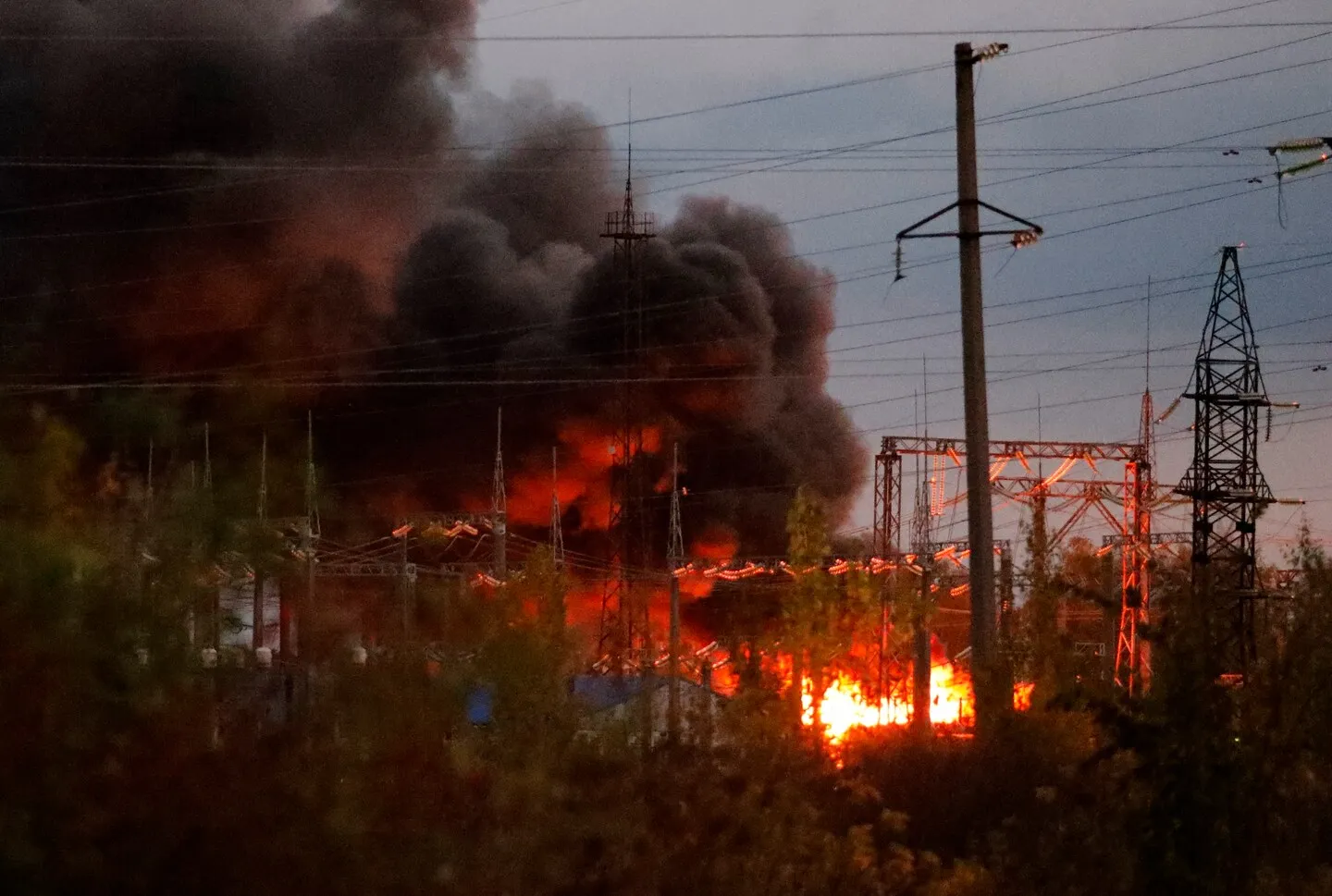
The term “energy ceasefire” itself sounds simpler than the potential agreement would look in practice. In its broadest sense, it would be intended to protect all facilities necessary for the production, transmission, storage, and supply of energy.
For Ukraine, this includes power plants, combined heat and power plants, substations, high-voltage grids, gas storage facilities, gas production facilities, and heat and water supply systems. For Russia, this includes oil refineries, oil depots, pumping stations, port terminals, and other components of the oil infrastructure. The Ukrainian side has already emphasized that Moscow must provide a specific list of facilities, and the ban on strikes must apply to the entire energy infrastructure.
But it is precisely at this stage that gray areas arise. A Russian oil refinery produces not only gasoline for civilian vehicles but also diesel, jet fuel, and other products needed by the military. The Ukrainian power grid simultaneously supplies residential buildings, hospitals, the railway, and industrial and defense enterprises.
If these issues are not resolved in advance, a dispute may arise after the very first attack over whether a specific target was an energy facility, a military facility, or a dual-use facility. That is precisely why what matters to Ukraine is not the word “ceasefire” itself, but a detailed list of prohibited targets, a mechanism for documenting violations, and a clear procedure for responding to them.
Russia’s interest in a pause is also not limited to protecting specific plants. Moscow has already attempted to link the issue of energy security to the safety of oil tankers, trade, and sanctions. This is important because, in such a case, the scope of negotiations could gradually expand from a simple formula of “we will not attack the energy sector” to a much broader package of concessions.
Equally important is the duration of the agreement. A two-week pause allows for emergency repairs but does not fundamentally change the system. A few months, however, provide enough time to replace equipment, build up reserves, reorganize logistics, and strengthen air defense. Thus, the longer the truce lasts, the more it will become a strategic recovery period for both countries.
That is precisely why a brief political pause may have a completely different value than a long-term mutual agreement. It is crucial for Ukraine that Russia not be given several months to repair oil refineries and stockpile resources, after which it would simply resume systematic strikes against Ukraine’s energy sector.
Ultimately, the key question of the first phase of negotiations is not “whether the attacks should be halted,” but “exactly what targets will no longer be attacked, for how long, and what happens if the ceasefire is violated.” Without answers to these questions, even a formally mutual agreement could turn out to be asymmetrical.
For Ukraine, the main benefit is the stability of the entire economy
Russian attacks on Ukraine’s energy sector have a much broader impact than simply causing power outages in homes. The power grid keeps nearly the entire modern economy of the country running. When a major substation or power plant is damaged, businesses switch to generators, increase fuel costs, adjust their operating schedules, or cut back on production.
Problems arise for logistics companies, mobile operators, hospitals, water utilities, retail chains, and transportation. As a result, the economic impact of a single strike often far exceeds the cost of the damaged equipment itself.
The scale of the damage already inflicted is clearly evident in the latest joint assessment by the Ukrainian government, the World Bank, the European Commission, and the UN. Ukraine’s total needs for recovery and reconstruction are estimated at nearly $588 billion over the next decade. The energy sector alone accounts for nearly $91 billion, and the number of damaged or destroyed energy assets has increased by approximately 21% compared to the previous estimate.
This means that each new cycle of attacks not only exacerbates current problems but also increases the cost of future recovery. Ukraine is forced to purchase new equipment, establish backup power sources, protect substations, repair grids, and simultaneously prepare for the possibility that a restored facility could once again become a target. That is precisely why a few months without systematic attacks can have significantly greater economic value than it seems at first glance.
In such a case, time becomes the most valuable resource. Large transformers, turbines, and other complex equipment cannot always be purchased or manufactured quickly. They must be ordered, delivered, and installed. If the facility is struck again after repairs are completed, the entire cycle effectively starts over. A pause would allow a shift from endless emergency patching of the system to a more fundamental restoration.
For businesses, this also means greater predictability. A company can adapt to high taxes, more expensive logistics, or a labor shortage, but it is much more difficult to plan production when it is unclear whether there will be enough electricity next week. That is precisely why a stable power grid affects not only the public’s comfort but also investment, employment, and tax revenues.
At the same time, a ceasefire will not solve all of Ukraine’s energy problems. Some facilities have already been destroyed, and the system needs decentralization, backup equipment, and additional protection. However, the absence of new attacks would allow resources to be directed toward improving resilience, rather than merely toward the urgent restoration of what was destroyed the day before.
Therefore, Ukraine’s benefit is measured not only by the number of megawatts saved. It means fewer business losses, a reduced need for emergency electricity imports, a more stable heating season, the opportunity to carry out major repairs, and a lower risk of further destruction costing billions.
Russian oil refineries have become one of the most vulnerable targets for Ukrainian strikes
At the same time, Ukraine must abandon a tactic whose effectiveness is becoming increasingly apparent. The Russian oil system is vulnerable not because of a shortage of oil itself, but because of the need to refine it and deliver it to consumers.
Russia has vast reserves of raw materials, but producing gasoline, diesel, and jet fuel requires large refineries, after which the products must be transported through oil depots, terminals, and other major logistics hubs. It is precisely these locations that have become convenient targets for long-range attacks.
Strikes are already regularly hitting major Russian enterprises. In particular, following an explosion at the Lukoil refinery in Volgograd, a processing unit and heat exchangers caught fire. Ukrainian attacks are gradually extending beyond the refineries themselves: in the Taganrog Gulf, a tanker and dry-cargo ships were struck, demonstrating the vulnerability not only of refining but also of Russian oil logistics.
However, the main impact is not a single fire at a single facility, but the accumulation of problems. When one refinery goes offline, Russia can redistribute part of its production. When several facilities are damaged simultaneously, the system is forced to operate with significantly less capacity. This requires repairing equipment, sourcing replacement parts, rerouting supply chains, increasing the workload on other plants, and providing additional air defense coverage for dozens of facilities.
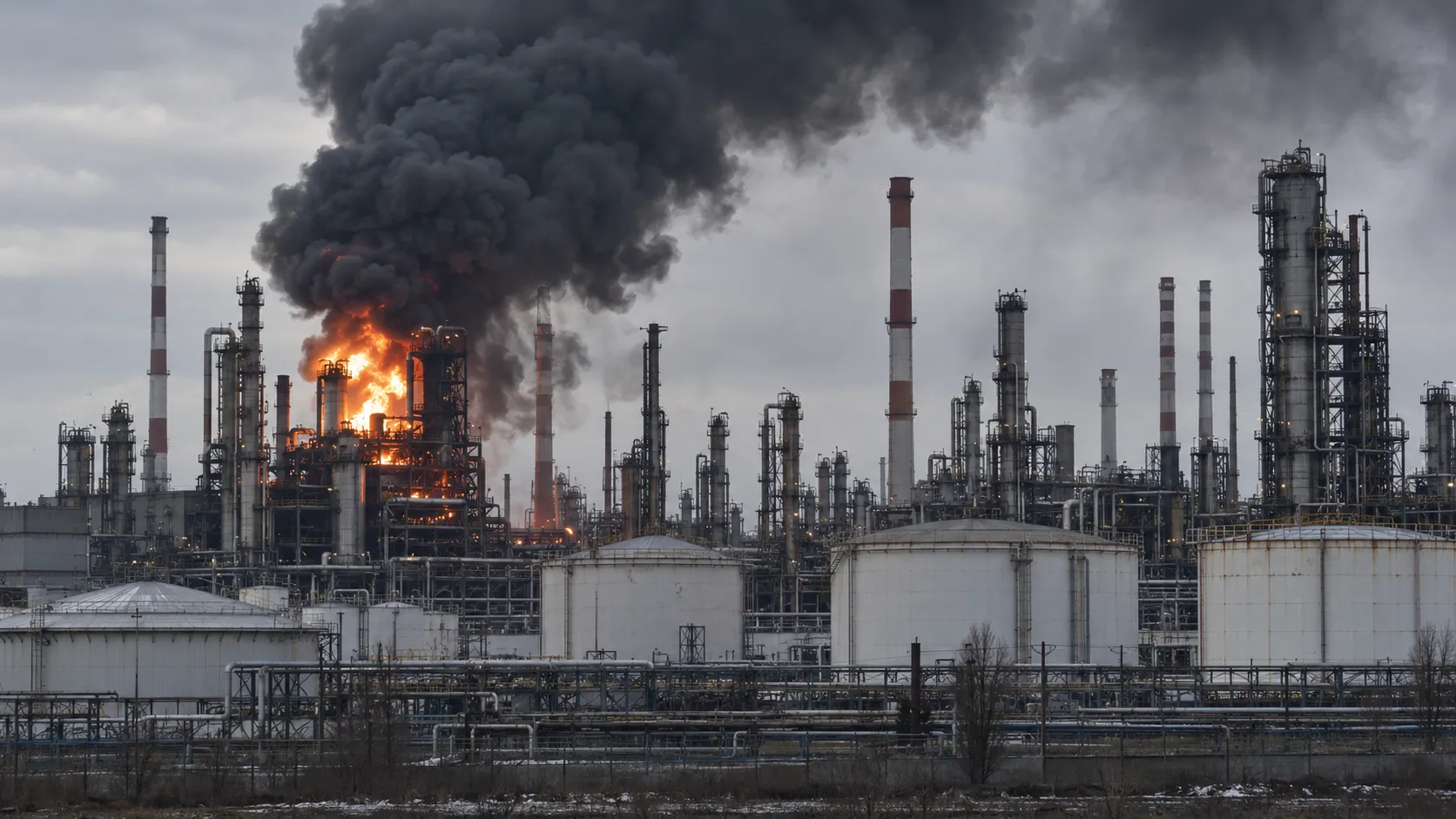
Many international experts also highlight the importance of diesel fuel. It is not needed only by the Russian military. Railways, agriculture, freight transport, and parts of the extractive and municipal infrastructure all depend on it. Therefore, a diesel shortage creates problems far beyond the military sector. Moscow can offset part of the shortfall with imports or reserves, but this makes the entire system more expensive and less efficient.
At the same time, this effect should not be exaggerated. Russia has dozens of oil refineries and remains one of the world’s largest oil producers. Even large-scale strikes do not mean that the Russian military will run out of fuel tomorrow or that the economy will grind to a halt. If oil refining capacity is reduced, Moscow can increase crude oil exports or utilize other facilities.
And yet, the very fact that Russian refineries have become a topic in international negotiations shows that the Ukrainian campaign is posing a serious problem. If the strikes had no tangible effect, there would be little point for Moscow to seek their cessation. For Ukraine, this means that the oil infrastructure has become not only a target but also a real bargaining chip.
Russia also stands to gain from a pause
For Moscow, a halt to Ukrainian attacks will mean, above all, time for repairs. Damaged processing facilities can be restored without the constant risk of another strike.
Refineries will be able to replenish stocks, reorganize logistics, procure components, and install additional protective measures. The longer the ceasefire lasts, the more of the cumulative impact of the Ukrainian campaign Russia will be able to gradually offset.
Stabilizing oil refining will also help the domestic fuel market. If refineries are operating normally, Moscow will have more gasoline and diesel for the military, transportation, the agricultural sector, and civilian consumers. At the same time, this creates an opportunity to resume exports of petroleum products, which generate additional revenue.
The budgetary impact is no less significant. Russia can sell crude oil even when a particular refinery is not operating, but refined petroleum products have their own large market and often offer higher added value. Moreover, selling larger quantities of crude oil does not solve the domestic fuel shortage. Therefore, stable oil refining remains crucial for both the domestic economy and exports.
This is precisely where the risk of a “repair pause” arises. Ukraine stops striking refineries, Russia repairs damaged equipment, stockpiles fuel, deploys additional air defense systems, and adapts its plant defenses. In a few months, the agreement may break down, but it will be more difficult for Ukraine to return to the previous effectiveness of its attacks, since the enemy has used the time to adapt.
Ukraine, of course, will also have a similar amount of time. Kyiv will be able to repair power generation facilities, substations, and gas infrastructure, as well as stockpile backup equipment. Therefore, the pause itself does not automatically benefit one side over the other. The key question is who will make more effective use of these months and how thorough the restoration of the systems will be.
Another factor is the global fuel market. As Russian oil refining capacity shrinks, fewer refined petroleum products reach foreign markets. During periods of global shortages, this can drive up prices for diesel and gasoline. Brent crude has already risen above $92 per barrel amid other geopolitical risks and declining inventories. Therefore, continued Ukrainian strikes could affect not only Russia but also the economic interests of partner countries.
This puts Ukraine in a difficult position. On the one hand, strikes on oil refineries create real economic problems for Russia. On the other hand, if these strikes become a factor in a global fuel shortage, Kyiv may face increasing external pressure to halt the campaign. In fact, the more effective this tactic becomes, the greater the diplomatic consequences it generates.
Will the exchange be equitable, and under what conditions could it work for Ukraine?
Comparing a Ukrainian power plant to a Russian oil refinery on a “one facility for one facility” basis makes practically no sense. The two countries have economies of different scales, different amounts of reserve capacity, and different levels of dependence on individual facilities.
Russia could lose a large oil refinery and, for a certain period, compensate for part of the lost production with other refineries, imports, or by selling more crude oil. For Ukraine, the loss of a major power generation facility or a key substation could immediately create an energy shortage for an entire region.
Therefore, in the short term, a cessation of Russian strikes could potentially be of immense value to Ukraine. It reduces the risk of blackouts, provides an opportunity to stabilize industry, and allows for a shift from emergency repairs to systematic recovery. But Ukraine pays for this by giving up leverage that is already causing problems for Russia’s fuel sector and forcing Moscow to spend resources on defense.
That is precisely why, if the agreement truly covers all critical facilities and provides for a clear response to violations, it could be a rational move for Ukraine. If, however, Kyiv stops striking clearly defined oil refineries, while Russia leaves itself room to attack Ukrainian gas or industrial facilities—calling them military targets—the balance shifts immediately.
A separate decision must be made regarding what happens after the first violation. If a Russian attack on Ukraine’s energy infrastructure automatically gives Ukraine the right to resume strikes on oil refineries, such a framework could create a real deterrent effect. If, however, every incident triggers lengthy diplomatic consultations and disputes over the status of the facility, Moscow gains the opportunity to gradually test the limits of the agreement.
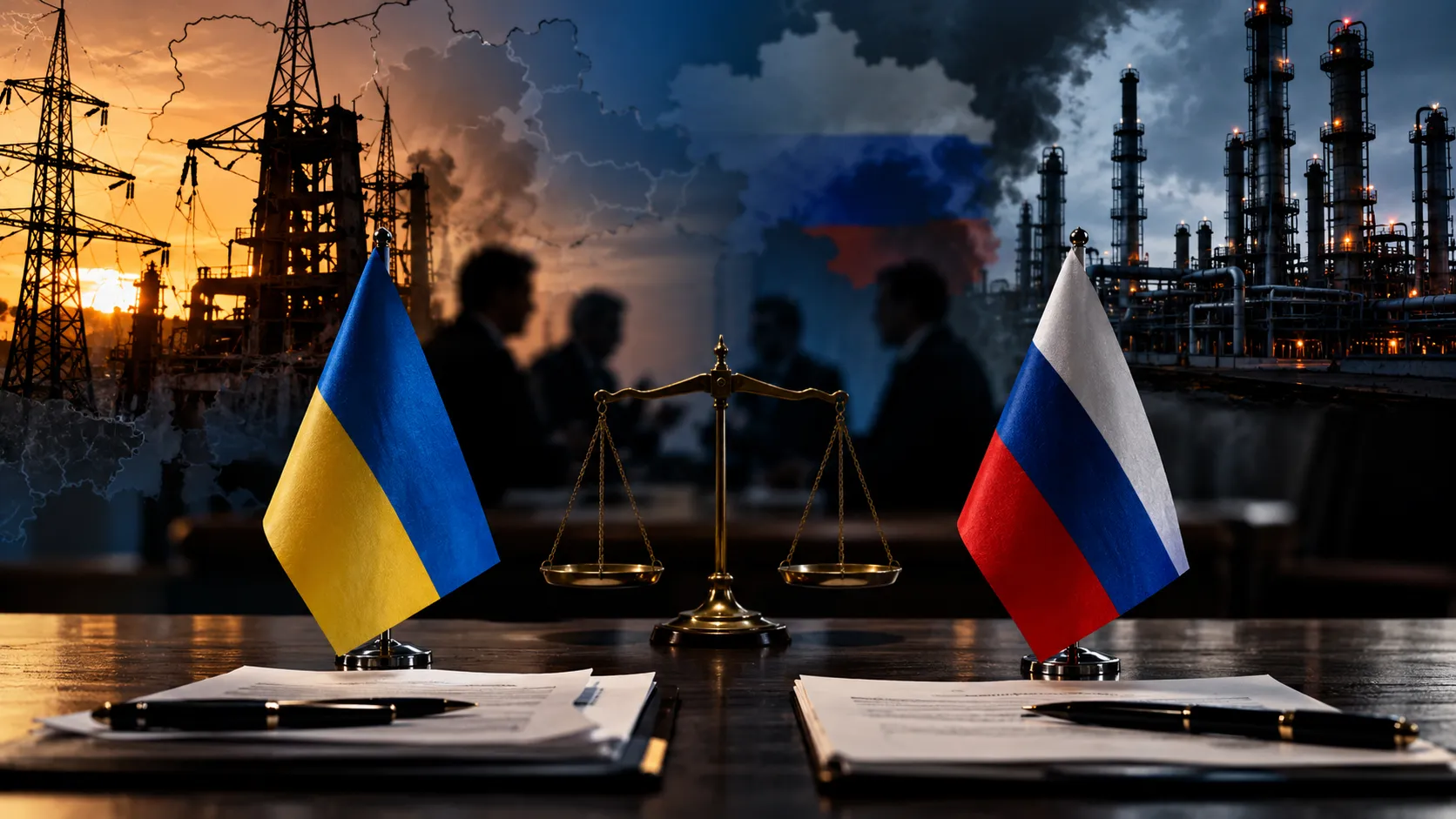
It is important for Ukraine to make the most practical use of any lull. This involves stockpiling transformers and generators, building distributed generation capacity, physically securing substations, strengthening air defense, and creating alternative power supply routes. Then, even if the agreement were to break down in the future, the country would return to the active phase of the war with a more resilient energy system.
Ukraine has gradually created a vulnerability for Russia that virtually did not exist a few years ago. Therefore, the cessation of attacks should not be for the sake of negotiations alone, but in exchange for a tangible reduction in the threat to Ukraine. Russian oil refineries have effectively become a bargaining chip: Moscow has an interest in protecting them, while Ukraine’s partners are paying increasing attention to the impact of attacks on the global market.
Therefore, the answer to the question of who will benefit more from an energy ceasefire will not be determined by the number of facilities on the list of prohibited targets. The decisive factors will be specific conditions: whether Ukrainian power generation, transmission grids, gas production, and heating will be protected; whether there will be an independent mechanism for documenting violations; whether Ukraine will be able to immediately resume retaliatory strikes; and whether Russia will use the time gained merely to repair oil refineries and prepare for the next campaign.
If these conditions are met, Ukraine could gain several critically important months to restore its economy and power grid. If not, the energy ceasefire risks becoming, above all, a pause needed by Moscow to repair its own oil infrastructure.




