
The Cost of War: Which Major Conflicts of the 20th and 21st Centuries Can Russia’s Losses in Ukraine Be Compared To?
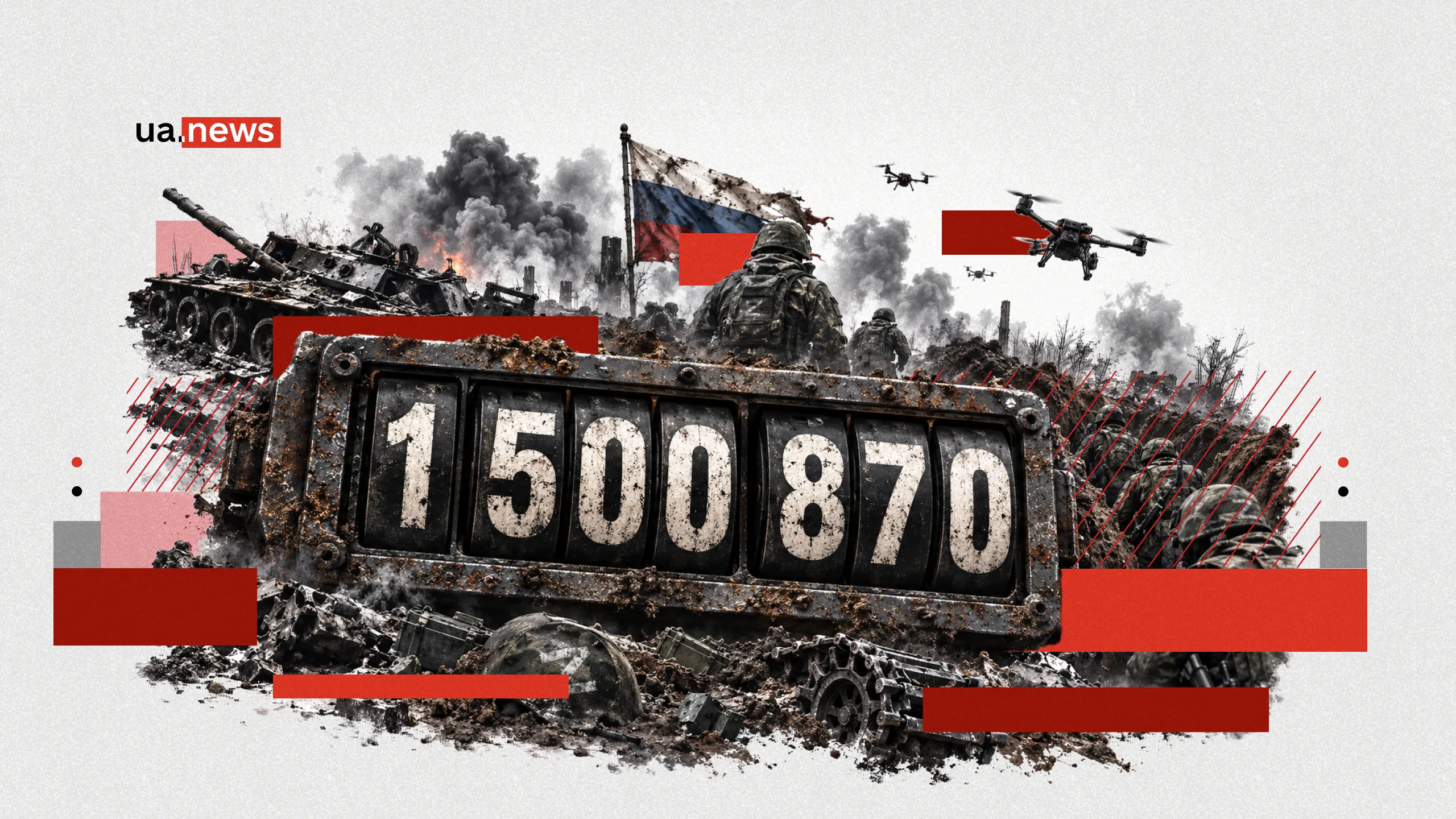
09 September 2026 13:57Since the start of the full-scale invasion, Russia has already lost more than 1.5 million troops in Ukraine. According to the Armed Forces of Ukraine, as of September 9, 2026, total Russian personnel losses amount to approximately 1,500,870 people. In the last 24 hours alone, this figure has increased by another 1,480.
The General Staff’s statistics refer to total personnel losses—that is, the soldiers Russia has lost as a result of combat operations. Independent estimates provide a rough sense of the scale: the U.S.-based Center for Strategic and International Studies (CSIS) estimated that as of June 2026, Russia had suffered approximately 1.4 million killed, wounded, and missing in action, of whom approximately 400,000–450,000 may have died.
Even when comparing not just the dead but total military losses, the figure of 1.5 million already places the Russian-Ukrainian war far beyond the scope of most conflicts in which major powers have participated since World War II. Vietnam, Afghanistan, Iraq, the two Chechen wars, and the Soviet campaign in Afghanistan cost the armies of the U.S., the USSR, and Russia a fraction—and sometimes a tenth—of that number.
UA.News examines the human cost of the Russian invasion and compares Russia’s losses to the major wars of the 20th and 21st centuries.
The war against Ukraine has already cost Russia more military personnel than all of its conflicts since World War II combined
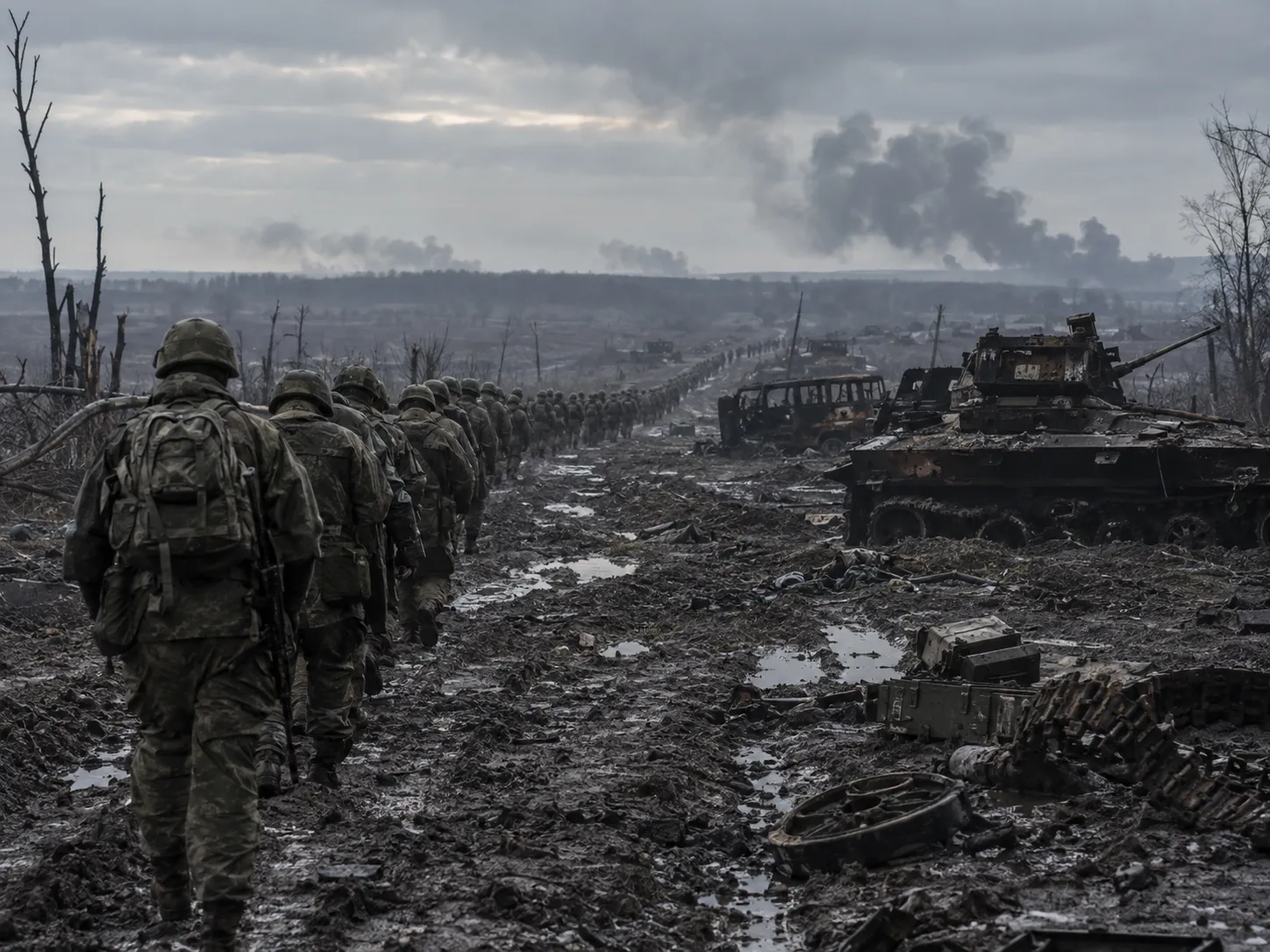
The scale of the current losses is most clearly seen when comparing Russia not with other countries, but with its own military history.
Since 1945, the Soviet Union, and later the Russian Federation, have been involved in dozens of wars, interventions, and local conflicts. Soviet troops fought in Afghanistan for nearly a decade; Russia conducted two major campaigns in Chechnya, fought against Georgia in 2008, intervened in the war in Syria, and carried out operations in other regions.
However, none of these combined resulted in the scale of casualties caused by the invasion of Ukraine. According to CSIS estimates, by the summer of 2026, the number of Russian soldiers killed in Ukraine was more than nine times higher than the combined fatalities of the Soviet Union and Russia in all wars since World War II.
Afghanistan is a particularly telling example. The Soviet Army was stationed there from December 1979 to February 1989. Nearly a decade of war turned Afghanistan into one of the defining traumas of the late Soviet Union, and the deaths of thousands of soldiers became a major factor in public discontent with the war.
According to estimates by the same CSIS, the number of Russian soldiers killed in the war against Ukraine already exceeds the number of Soviet soldiers killed in Afghanistan by more than 28 times. In other words, it took Russia only a few months of full-scale war in Ukraine to reach the level of casualties that the Soviet Union accumulated over nearly a decade in Afghanistan.
The situation is similar with Chechnya. The two Chechen wars left an extremely heavy mark on Russia’s modern history; however, according to CSIS estimates, Russia’s current casualty toll is already more than 18 times greater than the combined losses of the two Chechen campaigns. In fact, the war that Moscow launched in February 2022 as a short military operation has long since become Russia’s costliest in human lives since 1945.
The Korean War was one of the bloodiest conflicts of the Cold War, but the U.S. lost about ten times fewer soldiers there
One of the first major conflicts after World War II was the Korean War of 1950–1953. It was by no means a small, localized operation. On the Korean Peninsula, two global blocs effectively clashed: South Korea was supported by the U.S. and UN forces, while North Korea was backed by China and the Soviet Union.
The front line shifted several times, moving across nearly the entire peninsula. Large tank formations, artillery, and aircraft were used in the war, and the number of military and civilian casualties ran into the millions. However, for the United States itself, the Korean War cost significantly less than the current war is costing Russia.
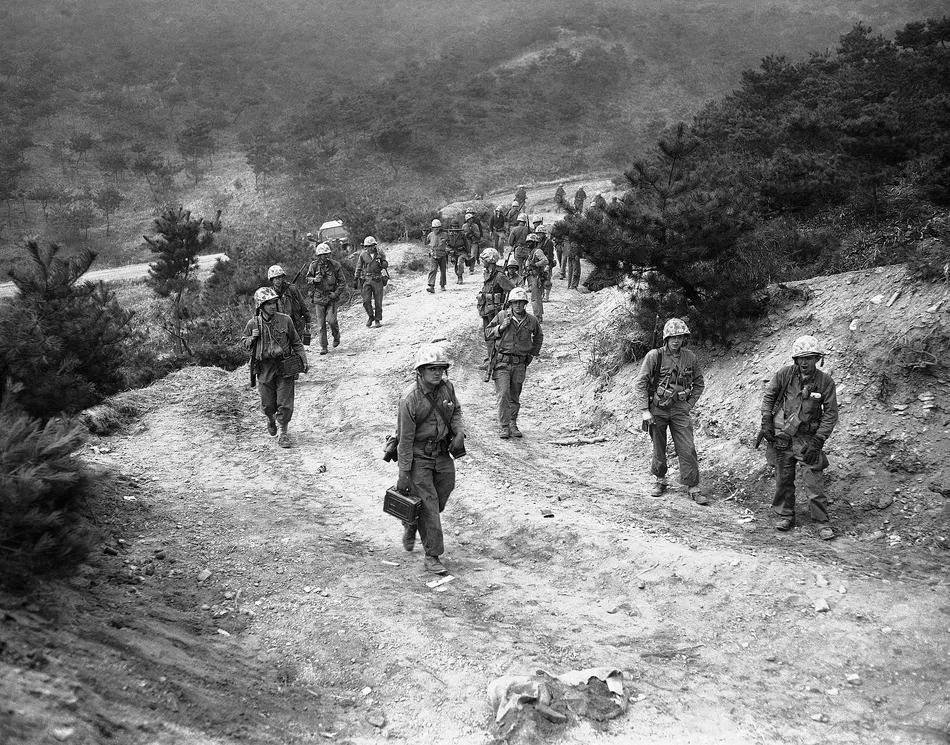
According to official data from the U.S. Department of Defense, 36,574 American service members were killed during the war, and another 103,284 were wounded. In total—nearly 140,000 people. Russian losses in Ukraine, according to estimates by the General Staff of the Armed Forces of Ukraine, already exceed this figure by approximately 10.7 times.
Of course, this does not mean that the Russia-Ukraine war itself has, on the whole, already become bloodier than the Korean War. In Korea, the troops of North and South Korea, China, and the civilian population all suffered enormous losses.
But the comparison reveals something else: in four and a half years of full-scale war, Russia alone has lost approximately ten times as many military personnel killed and wounded as the United States did during the entire Korean War.
Russia’s losses in Ukraine are already about seven times greater than U.S. losses in the Vietnam War
Vietnam has become another symbol of an extraordinarily costly war for a major power. For the U.S., this war proved so traumatic that its political and social consequences were felt for decades. The dead returned home by the thousands, a wave of anti-war protests swept the country, and the very word “Vietnam” became synonymous with a protracted war from which it was difficult to find a way out.
According to the U.S. Defense Casualty Analysis System, 58,220 American service members were killed in the Vietnam War, and more than 153,000 were wounded. In total, this amounts to approximately 211,500 killed and wounded.
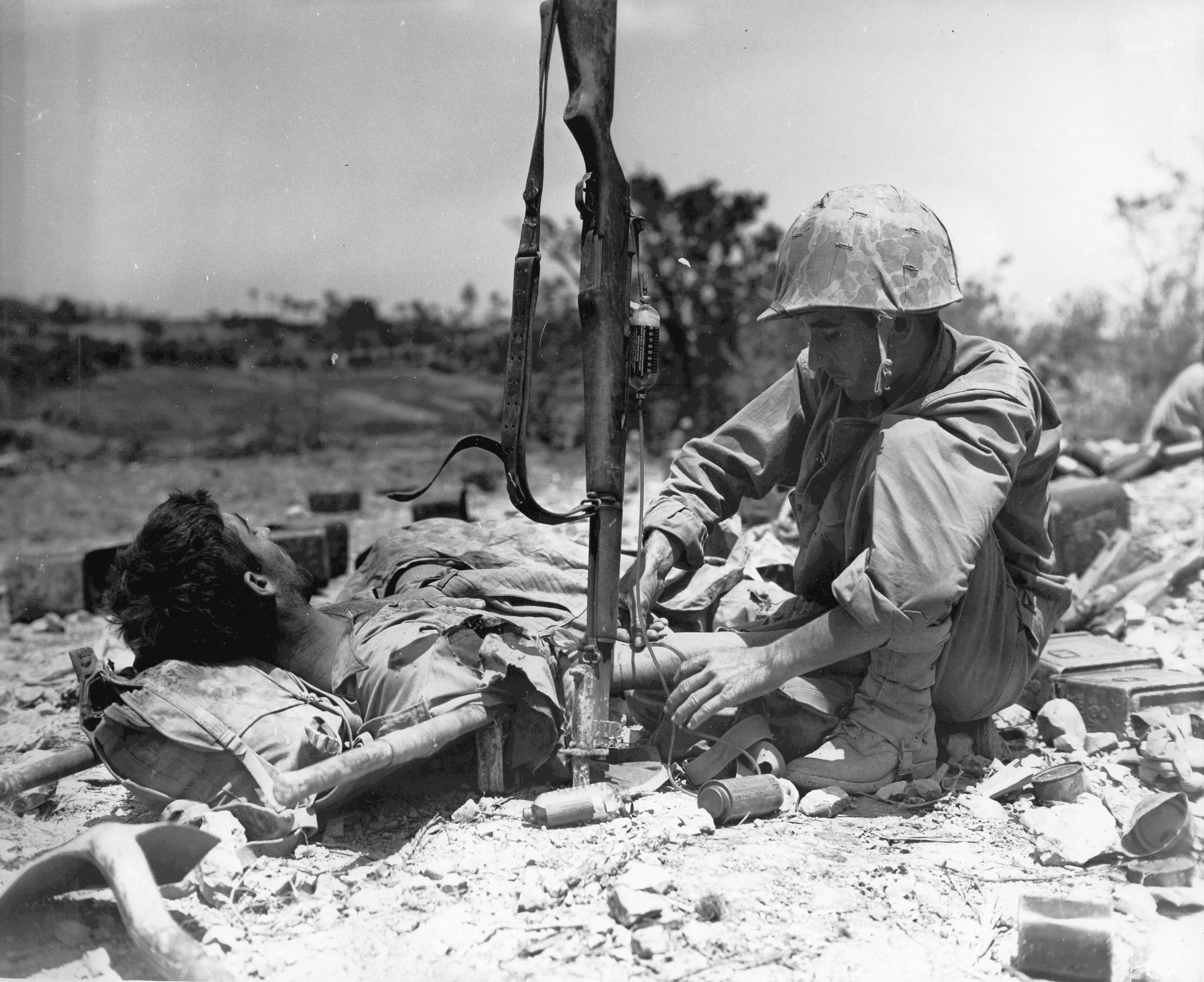
By comparison, current Russian losses—at over 1.5 million people—are roughly seven times greater. Moreover, the U.S. war in Vietnam lasted much longer than the current full-scale phase of the Russia-Ukraine war. The U.S. military presence gradually increased over the years, and large-scale combat operations continued for most of the 1960s and early 1970s.
If we compare the number of fatalities specifically, the difference is also significant. According to a CSIS estimate, 400,000–450,000 Russian soldiers could die in Ukraine by June 2026. This is approximately seven to eight times greater than the number of U.S. military deaths in Vietnam.
The eight-year Iran-Iraq War resulted in about one million military casualties—Russia has already surpassed that figure on its own
If one were to look among the conflicts of the second half of the 20th century for a war that most closely resembles the current one in terms of the scale of ground combat and human casualties, one of the best examples would be the Iran-Iraq War.
It began in September 1980 and lasted nearly eight years. It was a war of large armies featuring tank breakthroughs, massive artillery barrages, air strikes, missile attacks, and fortifications stretching for many kilometers. In some sectors of the front, the sides fought for years over literally kilometers of territory.
In this sense, it is much closer to the current war in Ukraine than to U.S. operations in Iraq or Afghanistan. The exact casualty figures for Iran and Iraq remain a subject of debate. Encyclopaedia Iranica cites an estimate of approximately 1 million total casualties over the eight years of the war. Other estimates put the number even higher.
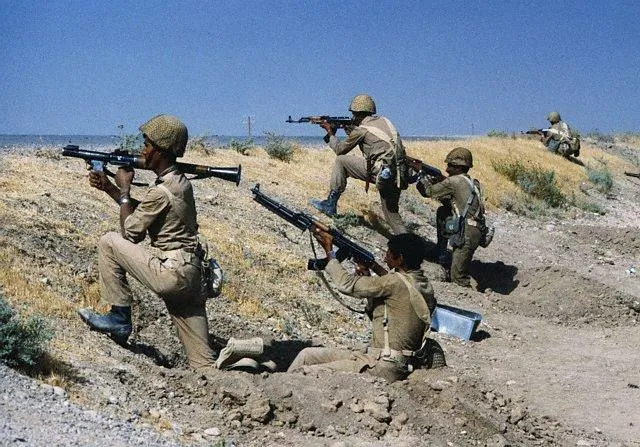
And this is where the comparison becomes particularly telling. It took two large armies and nearly eight years of combat to reach approximately one million casualties. Russia alone has already exceeded the 1.5 million casualty mark in Ukraine in less than five years.
Twenty years of the U.S. war in Afghanistan cost the American military a fraction of that
The U.S. campaign in Afghanistan became the longest war in U.S. history. It began after the September 11, 2001, terrorist attacks and ended only in August 2021. In other words, U.S. troops were stationed in the country for nearly twenty years.
However, over this entire period, the U.S. military lost far fewer personnel than the Russian military has in Ukraine. In its study of Russian casualties, CSIS cites approximately 2,581 U.S. service members who died in Afghanistan.
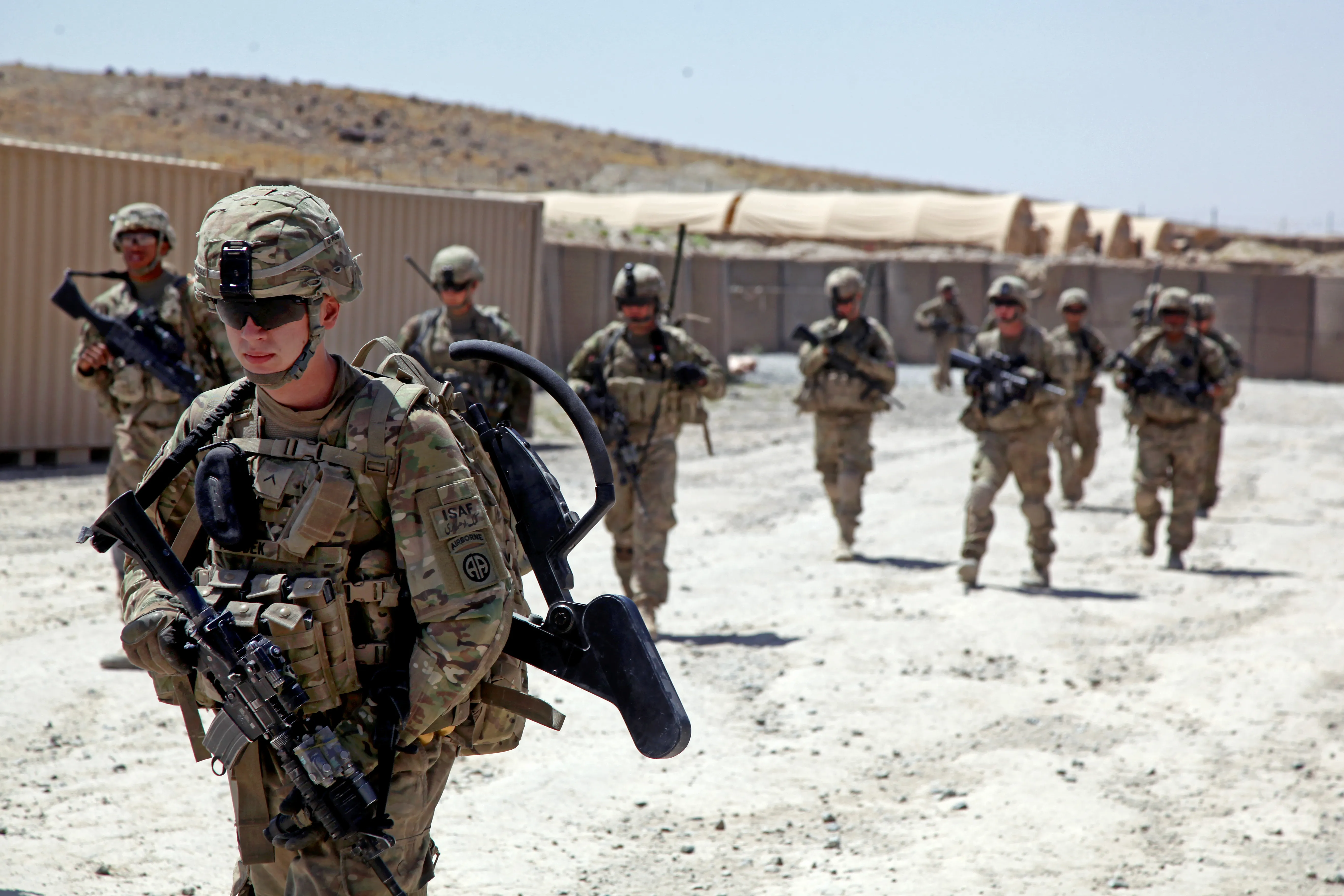
The number of wounded ran into the tens of thousands, but even the total figure pales in comparison to Russian losses. For Moscow, modern warfare has become a fundamentally different type of conflict. In Afghanistan, the U.S. primarily fought against guerrilla forces, enjoying an absolute advantage in air power, intelligence, and heavy weaponry.
Russia, on the other hand, faced a large army, echeloned defenses, artillery, long-range systems, and hundreds of thousands of drones. The result is evident in the rate at which casualties are mounting. According to CSIS estimates, in 2026 alone, Russia was losing approximately 30,000–34,000 troops per month.
In a single month of the current war, Russia may lose more soldiers killed, wounded, or missing in action than the U.S. military did over many years of war in Afghanistan.
The U.S. invasion of Iraq toppled Saddam Hussein’s regime, but American casualties were about 40 times lower than Russia’s current losses
The Iraq War also became one of the major military and political upheavals of the early 21st century. In March 2003, the U.S.-led coalition invaded Iraq, defeated Saddam Hussein’s main forces within a few weeks, and captured Baghdad.
But after the initial operation ended, the U.S. faced a protracted war against insurgents, terrorist organizations, and sectarian violence. As a result, U.S. troops remained in the country for years.
According to data cited by CSIS, approximately 4,492 American service members were killed in the Iraq War. Tens of thousands more were wounded. Taking into account total U.S. casualties—both dead and wounded—the figure stands at approximately 36,000–37,000 people.
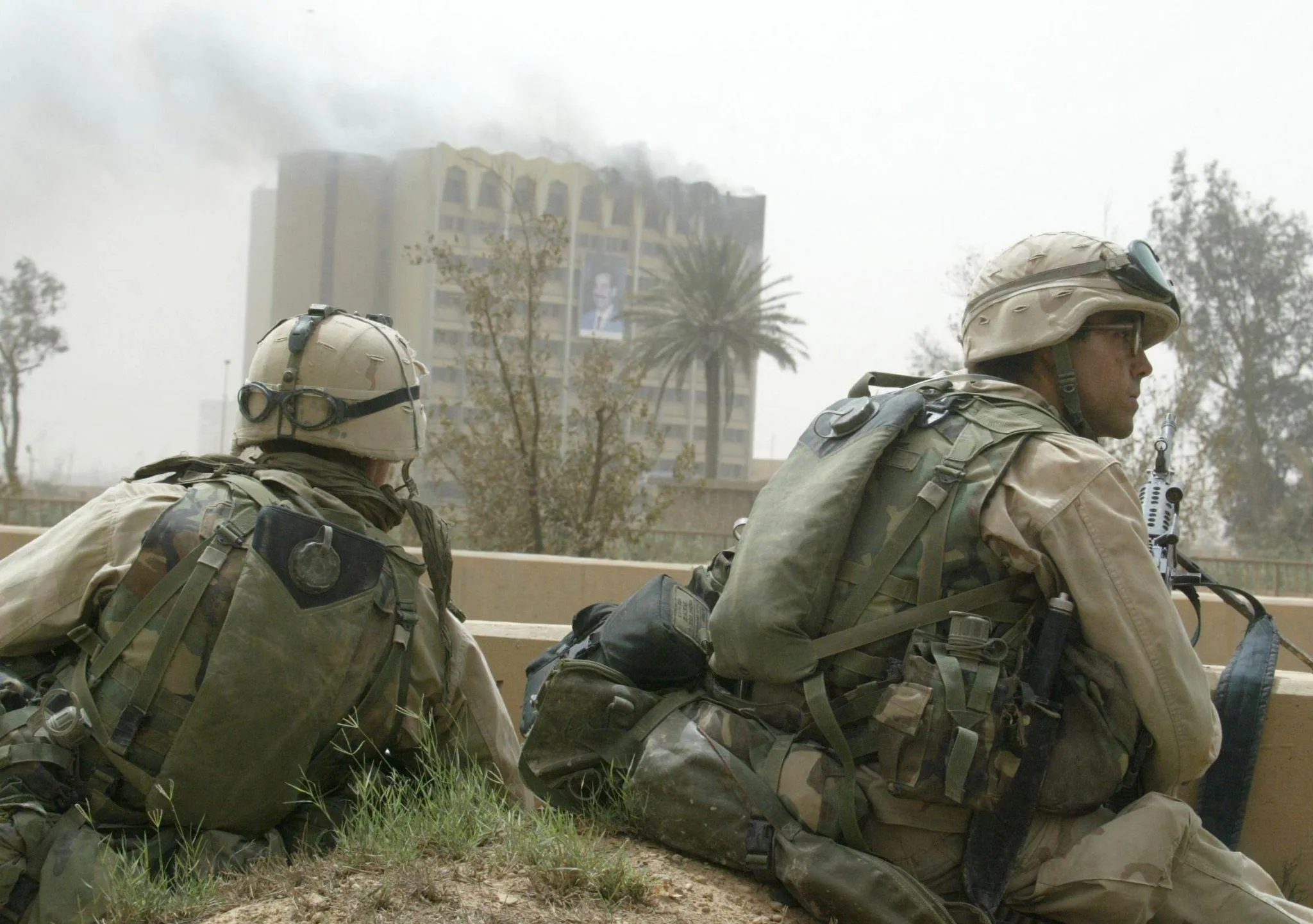
In Russia’s war in Ukraine, this figure has already been exceeded by about 40 times. To put the scale into perspective, it is enough to imagine that, at the current rate of casualties, Russia could reach the total U.S. toll from the Iraq War in about one to two months of combat operations.
Russia’s losses no longer fit within the usual scale of local wars
It is incorrect to directly compare the current war with World War I: back then, the size of the armies, the technology, the demographics, and the overall scale of hostilities were all different.
However, in terms of sheer numbers, the modern war is gradually beginning to resemble the conflicts of the first half of the 20th century. World War I claimed the lives of approximately 8.5 million soldiers.
Individual nations lost millions of people. The Russian Empire, according to various historical estimates, lost about 1.7 million military personnel killed in action. Germany lost roughly the same number.
There is a fundamentally important difference here: the current 1.5 million Russian “losses” do not equate to 1.5 million deaths. This is a total estimate of personnel losses. Therefore, these figures cannot be equated. But the very fact that the figure of 1.5 million has emerged in a modern European war already illustrates the scale of the conflict.
After the end of World War II, the major powers gradually became accustomed to a different model of warfare—shorter campaigns, technological superiority, airstrikes, limited expeditionary forces, and attempts to minimize their own human casualties.
Ukraine has brought Europe back to a different kind of war—one with hundreds of kilometers of front lines, minefields, trenches, artillery duels, the widespread use of drones, and a constant replenishment of troops.
World War II remains in a completely different category, but it is precisely since that war that no major power has suffered such losses in a single conflict
World War II remains a war with which it is practically impossible to compare any modern conflict in terms of absolute numbers. The total number of military fatalities at that time was measured in the tens of millions, and when combined with civilian casualties, the human toll amounted to tens of millions.
The Soviet Union lost about 8.7 million military personnel, while Germany lost over 5 million. Therefore, the current war in Ukraine has not come close to World War II in terms of the overall scale of human casualties.
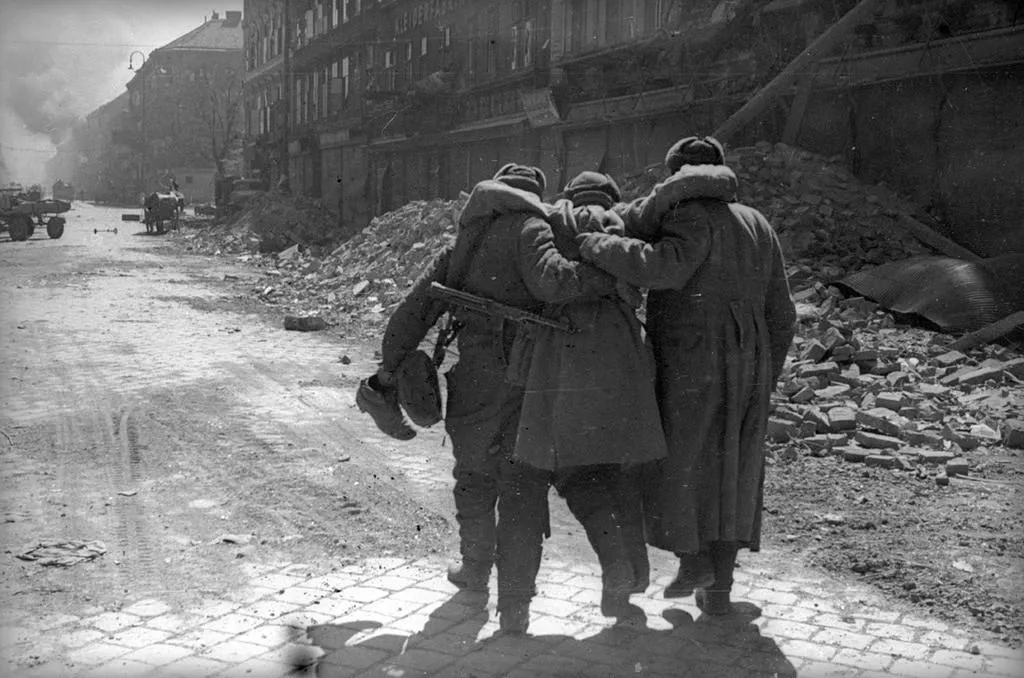
But there is another comparison that much better illustrates the current war’s place in history. Researchers at CSIS have concluded that since 1945, no major power has suffered losses in a single conflict comparable to Russia’s current losses.
According to their calculations, the number of Russian fatalities alone is already more than four times the number of U.S. military personnel killed in all U.S. wars since World War II combined.
For Russia, the ratio is even more striking: current deaths exceed all Soviet and Russian fatalities in wars since 1945 by more than nine times.
In fact, if we exclude the world wars of the first half of the 20th century, it is becoming increasingly difficult to find a direct parallel for current Russian losses among the campaigns of major powers.
One and a half million casualties mean an average of more than 900 Russian soldiers every day since the start of the major war
The absolute figure of 1.5 million is so large that it is difficult to comprehend on its own. Its scale becomes clearer when the casualties are spread out over the entire duration of the invasion. Approximately 1,660 days have passed from February 24, 2022, to September 9, 2026.
If we distribute the General Staff’s current estimate evenly, that works out to over 900 Russian soldiers per day. Approximately 27,000 per month. Over 330,000 per year.
Of course, the actual trend was by no means uniform.
In the first months of the invasion, Russia lost a huge number of troops and equipment during failed offensives against Kyiv, Chernihiv, Sumy, and Kharkiv. Then the intensity of the fighting fluctuated, but as the war entered a phase of attrition, losses began to mount rapidly once again.
By 2026, the rate of losses remained extremely high. According to CSIS estimates, in the first half of 2026, the Russian army was losing approximately 30,000–34,000 troops per month. At the same time, researchers estimated that approximately 27,000 new contract soldiers were joining the ranks each month.
If these estimates are correct, Russia may have already been losing personnel faster than it could recruit new ones at certain stages.
This is precisely what turns the war into a battle for resources: the question is no longer just how many tanks, artillery pieces, or missiles the state can produce, but also how many people it is capable of regularly sending to the front to replace those killed and wounded.


