
El Niño threatens food security in Southeast Asia — TimesLIVE
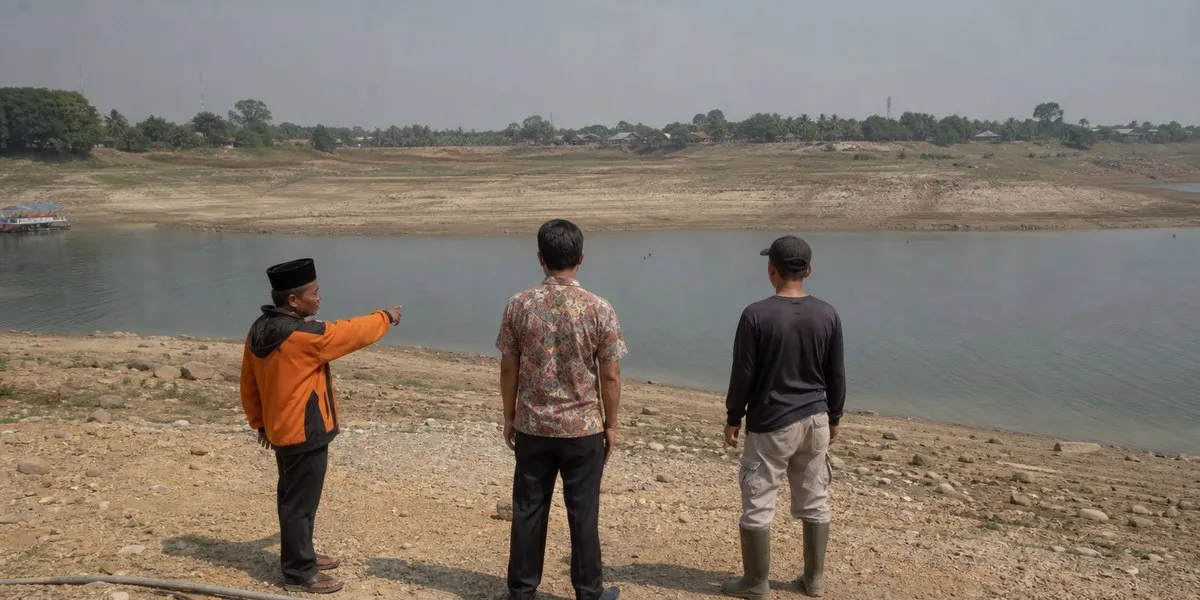
Indonesia and other Southeast Asian countries are preparing for an intensification of El Niño, which could cause droughts, heatwaves and floods and pose food security threats to millions of people. According to TimesLIVE, this year's Pacific Ocean warming cycle could become one of the strongest on record.
The U.S. National Oceanic and Atmospheric Administration estimates a 69% probability that this will be the strongest El Niño recorded since observations began in 1950. The UN World Food Programme forecasts that by the end of 2027, the phenomenon could increase the number of people facing acute food insecurity by at least 49 million.
Drought and fires in Indonesia
In Indonesia, forest fires are engulfing forests and peatlands, causing toxic smog. Water levels in a large reservoir supplying Jakarta are gradually declining. As the reservoir becomes shallower, the ruins of one of 11 villages flooded during its construction have become visible again.
More current news is available on the UA.News Telegram channel Telegram.
Erma Yulihastin, a researcher at the Indonesian Center for Climate and Atmospheric Research, said that El Niño is only beginning its “super phase.” Lower rainfall and higher temperatures are also putting pressure on fisheries in the region, particularly in the Mekong Basin. Local communities depend on predictable water levels for fishing and agriculture.
Risks for rice and palm oil
Drought may force farmers to delay planting, reduce planted areas or switch to other crops. India, Vietnam and Thailand — the world’s three largest rice exporters — are among the countries that could be hit hardest by El Niño.
The phenomenon could also affect palm oil production in Indonesia and Malaysia, which account for about 85% of global supply. Goldman Sachs analysts estimate that El Niño could raise global food commodity prices by more than 15%.




