
Iran is threatening to exert digital pressure via undersea cables
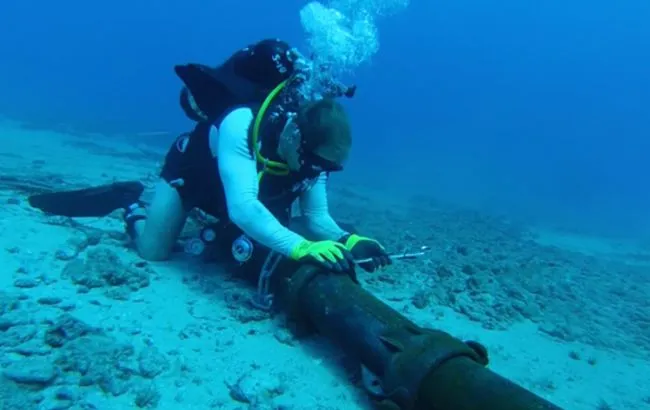
Iran has announced its intention to impose a “tax” on major tech companies for using internet cables in the Strait of Hormuz and is effectively attempting to take control of part of the region’s digital infrastructure. This is seen as a potential lever to pressure the U.S. and major tech giants, including Google, Meta, and Microsoft. France 24 reports on this.
Iran continues to ramp up its rhetoric regarding global internet infrastructure, declaring its intention to impose financial requirements on the world’s largest tech companies for the use of undersea cables in the strategic Strait of Hormuz, a move that immediately raised concerns among experts and the media.
According to France 24, Tehran views these cables as a potential tool for influencing the West, effectively proposing a fee for their maintenance and repair, while insisting that all work must be carried out exclusively by Iranian companies.
Iranian state media are already calling the undersea infrastructure a “treasure at the bottom of the sea,” and among the companies that may be subject to the new requirements, Google, Meta, Microsoft, and Amazon are mentioned. “We want all companies using this infrastructure to comply with our laws and participate in its maintenance,” local media quote Iranian officials as saying, although international experts view such demands with skepticism.
Maritime law experts emphasize that the legal basis for such actions appears weak, as international conventions provide for the freedom to lay and maintain cables in international waters, which effectively limits Tehran’s ability to establish monopolistic control.
Christian Bueger, a professor at the University of Copenhagen, notes that such attempts to exert pressure on undersea infrastructure are not new, but their scale and political overtones are growing. “International law does not grant states full control over such facilities, and this creates a constant gray area that various players can exploit,” experts explain.
Submarine cables in the region provide connectivity between Middle Eastern countries, and any restrictions or interference could primarily affect Saudi Arabia, the UAE, and Qatar, while Europe and the U.S. would experience minimal direct impact.
Separately, analysts warn of the risks of physical damage to infrastructure, as even local incidents or sabotage could affect the speed and stability of internet connections in the region.
Ultimately, experts agree that Iran is attempting to add a digital tool of pressure to its traditional influence on energy markets, which could eventually become a new front in global confrontation.
Earlier, Iran announced a new “control” zone in the Persian Gulf, which, according to its version, partially covers the waters of the United Arab Emirates. Abu Dhabi sharply rejected these claims, calling them unrealistic and provocative. Against this backdrop, tensions in the region have noticeably risen again.
Trump is willing to wait a few more days for Iran to provide the right answer.


