
Lithuania will ban performances by artists who have supported Russia's war against Ukraine
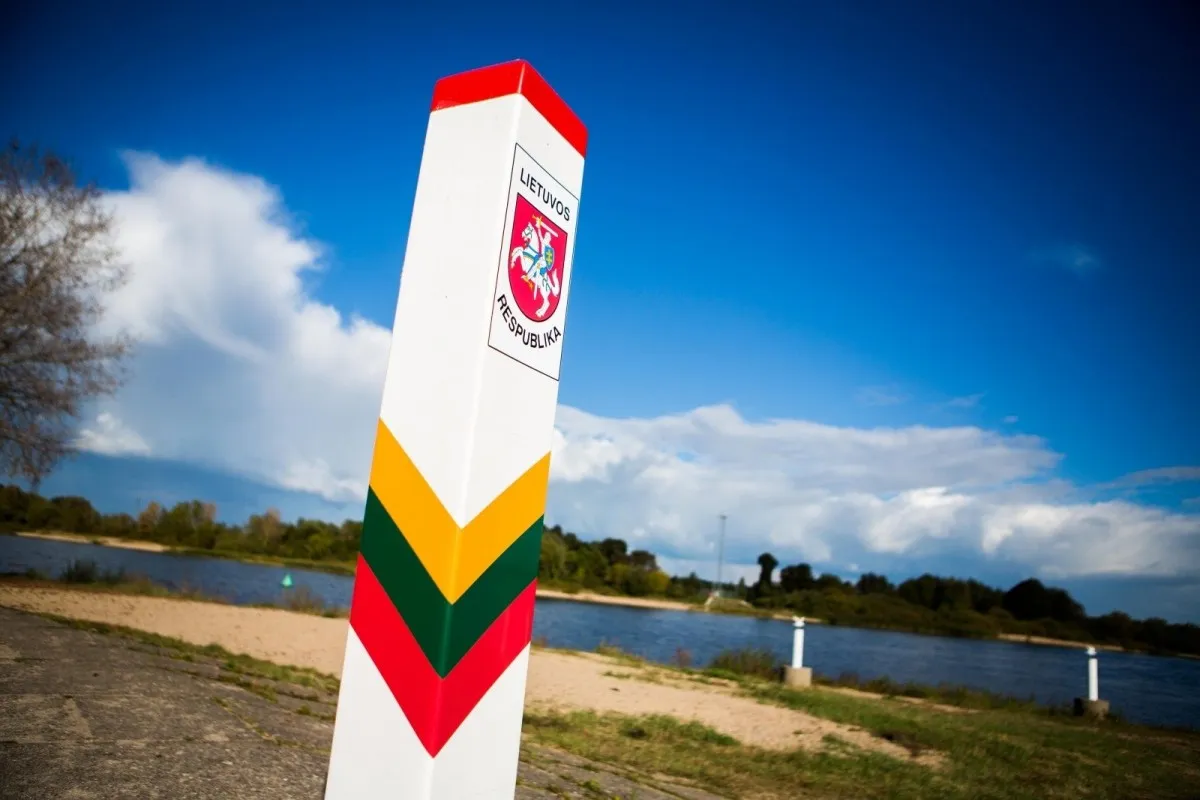
The Lithuanian government has approved a proposal to ban Russian and Belarusian artists and other cultural figures from performing in the country if they have worked in the occupied territories of Ukraine or directly or indirectly supported Russia’s aggression.
According to an initiative by the country’s Ministry of Foreign Affairs, artists will be required to sign a public declaration condemning Russia’s military aggression and expressing support for Ukraine’s territorial integrity. Refusal to sign the document will make it impossible to conduct any cultural activities within the country. The restrictions will not apply to artists who have publicly opposed the occupation and whose activities did not objectively serve the interests of the aggressors.
If the Seimas of Lithuania passes the bill, the new rules will take effect on January 1 of next year. Until now, Lithuanian authorities have limited themselves to issuing only individual decisions banning the entry of cultural figures who supported the Kremlin regime.
Source: LRT.
The Lithuanian Ministry of Foreign Affairs has introduced a new bill proposing to restrict the right of Russian and Belarusian citizens with residence permits to purchase real estate near national security facilities and military training grounds. The document on the introduction of restrictive measures in connection with the aggression against Ukraine will soon be considered by the Lithuanian government.
On September 25, national sanctions against Russian oligarchs Alisher Usmanov and Mikhail Fridman went into effect in Lithuania. Both businessmen were banned from entering the country for a period of five years, with the possibility of a subsequent review and extension of this ban.
Lithuania has begun its largest annual national mobilization exercises, “Vyčio skliautas 2026” (“Vytis’ Dome 2026”). During the exercises, the country will test its readiness to respond to a deteriorating security situation and transition to a mobilization regime in wartime conditions.




