
South African Health Ministry has not checked students’ conditions in Cuba since 2022 — Daily Maverick
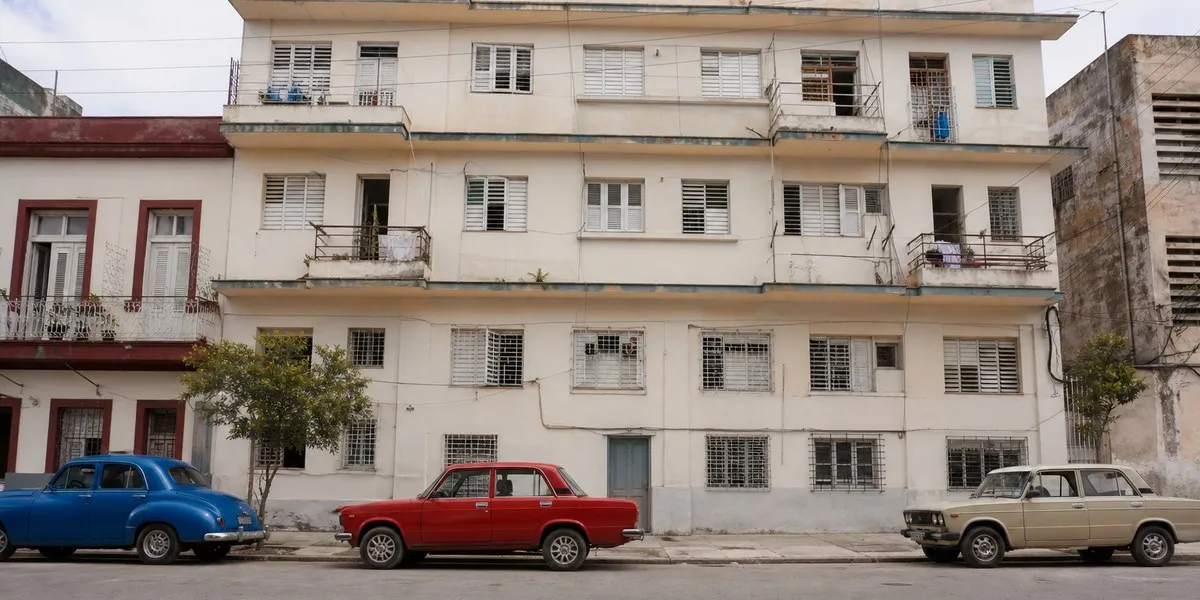
South Africa’s Department of Health has acknowledged that it has not conducted a single oversight inspection of the living conditions of South African medical students studying in Havana, Cuba, under the Nelson Mandela-Fidel Castro programme since 2022. This was reported by Daily Maverick.
Students in the programme told the publication about disruptions to water supply, inadequate sanitation and poor food quality. One student, who asked not to be named for fear of negative repercussions, said that up to 13 people may use one toilet. According to her, there is sometimes no water for several days, including for washing and flushing toilets.
Complaints about housing and food
The student said that after arriving in Havana in December 2024, she faced water and food shortages while still in quarantine. She claimed that the student canteen mostly serves rice with thin, unsalted soup, while meat caused her rashes and stomach upset. As a result, she largely stopped eating at the canteen and bought bread with her own money.
Programme participants are supposed to receive about $200 per month on a local card. At the same time, the student claims that due to the exchange rate, this amount is insufficient for basic goods, including hygiene products. According to her, after students appealed for increased payments, the department transferred the amount for two months in a single payment.
More current news is available on the UA.News Telegram channel Telegram.
Position of South Africa’s department
Foster Mohale, spokesperson for South Africa’s Department of Health, explained the absence of oversight visits by financial pressure and strict austerity measures. According to him, the department provided students with food parcels, sometimes paid double stipends, and the health attaché remains in constant contact with them.
Mohale also stated that Cuba is experiencing significant difficulties which, in the department’s assessment, are largely linked to the tightening of the US embargo. He said that the ministry recognised the need to review the size of the stipend; the process was discussed at a joint academic meeting in July 2026.
The programme has also been criticised in South Africa’s parliament. Democratic Alliance representative Haseena Ismail questioned its cost and effectiveness. Economic Freedom Fighters representative Noluvuyo Tafeni stated that 303 programme graduates remained unemployed in 2025, despite approximately 606 million rand in government spending on their training. South Africa’s Department of Health explained the graduates’ unemployment by budget constraints, a shortage of funded positions and rising costs in the healthcare sector.




