
It will take years for the oil industry to recover after the war
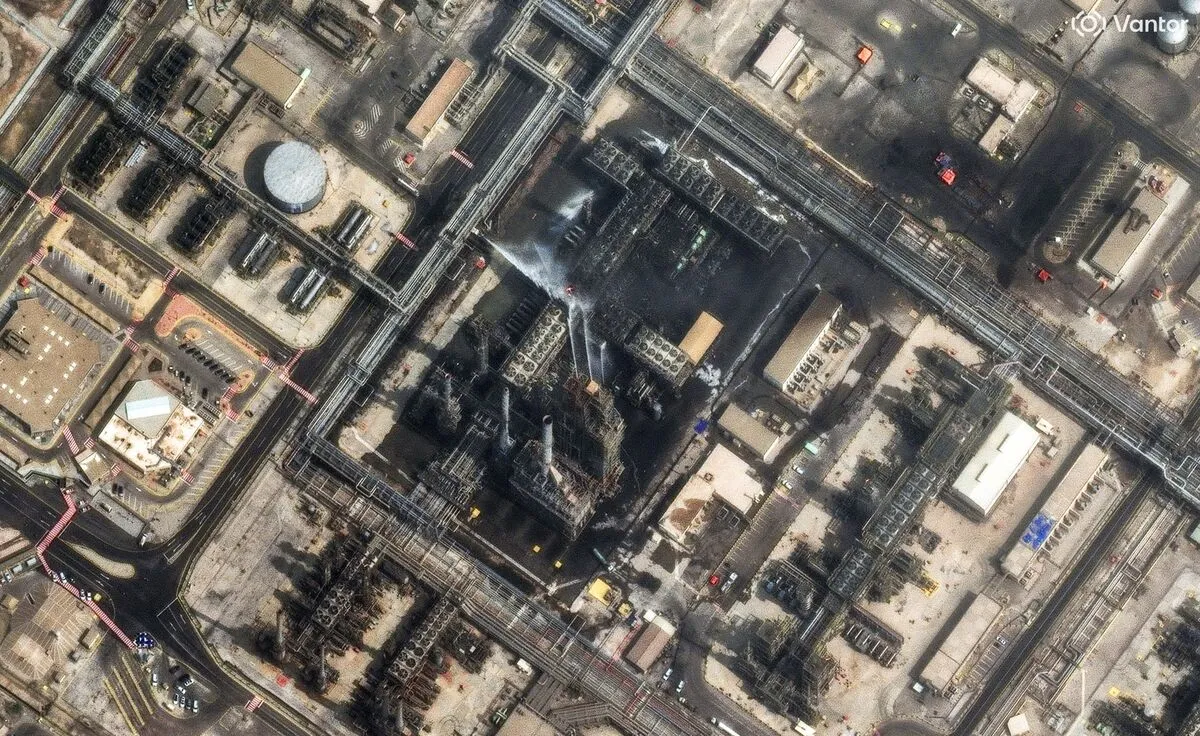
Following a war with Iran, it would take Gulf countries about two years to return to pre-war levels of oil and gas production. This was stated by Fatih Birol, head of the International Energy Agency, who warned that the consequences of the conflict would continue to affect global markets for a long time, according to CNN.
According to Birol, the pace of recovery will vary by country. For example, Iraq will need more time, while Saudi Arabia will be able to return to normal production levels more quickly. “In Iraq, for example, it will take significantly longer than in Saudi Arabia. But overall, we estimate that a return to pre-war levels will take about two years,” he said in an interview with the Swiss publication.
Separately, he drew attention to the situation surrounding the Strait of Hormuz—a key route for global energy supplies. In his view, markets are currently underestimating the risks if the strait remains closed. “If the Strait of Hormuz is not open, we need to prepare for significantly higher energy prices,” Birol warned.
He explained that some oil and gas tankers managed to reach their destinations after the war began because they were already en route. However, in March, virtually no new shipments took place, and this is already beginning to be felt in the market, especially in Asia.
Despite the tense situation, oil prices this week remain below $100 per barrel. But experts do not rule out that the situation could change dramatically if logistics do not resume.
As a result, even after the fighting ends, the energy market will remain unstable for a long time, and consumers will have to prepare for possible fluctuations and price increases.
Additionally, Iran announced the reopening of the Strait of Hormuz to commercial shipping for the duration of the ceasefire in Lebanon.
Iran estimates the damage from U.S. and Israeli bombings at $270 billion and is demanding compensation from five Arab countries
Iran promises to respond to the blockade of its ports by blocking the Red Sea


