
Nepal and China Warn of New Flood Risks
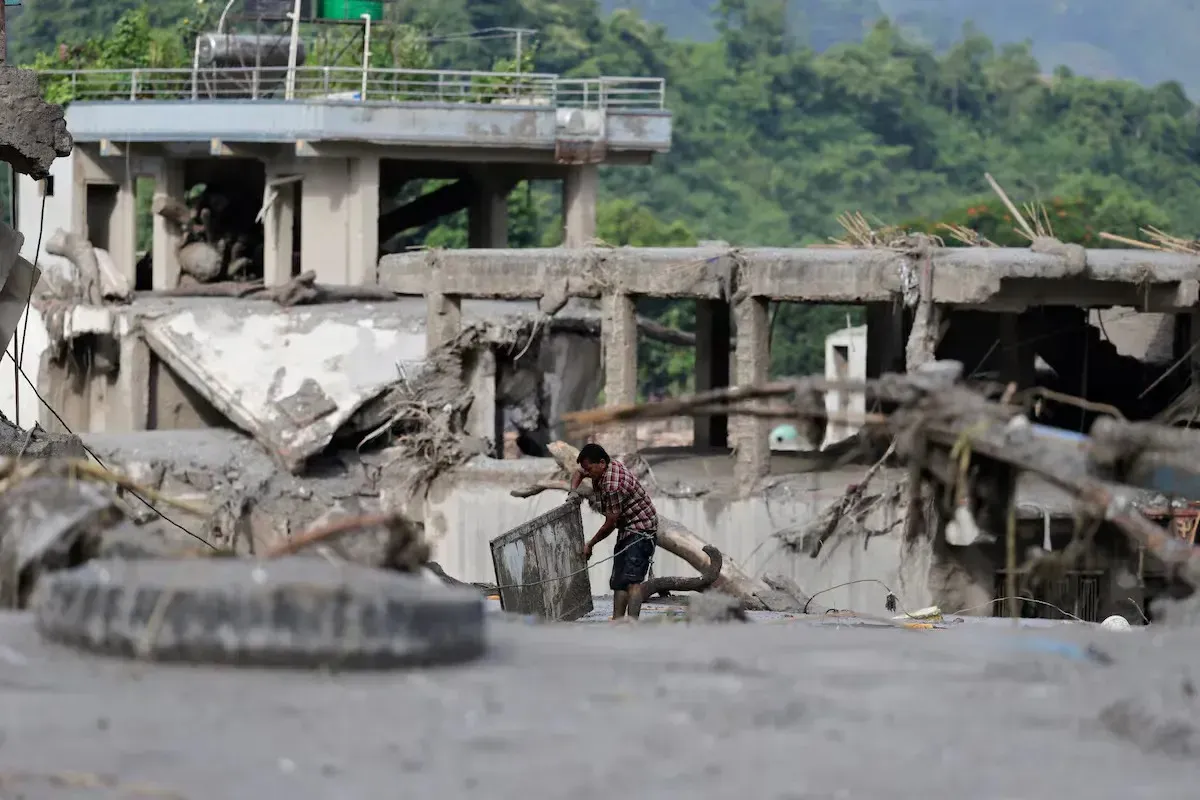
Nepal and China have issued warnings about a new threat following catastrophic flooding that has already claimed at least 362 lives. Two lakes have formed in mountainous areas, and as water levels continue to rise, authorities fear that natural dams could burst.
Search and rescue operations are ongoing in Nepal and Chinese Tibet following the massive flooding. The disaster struck border regions on Wednesday, August 26, leaving behind destroyed roads, homes, and valleys littered with debris. According to the latest reports, at least 362 people have died, and about 1,000 people are still missing.
Authorities in both countries attribute the disaster to a glacier collapse. A torrent of rocks, ice, mud, and debris flowed into river systems and caused widespread flooding in mountainous areas. However, the danger to local residents has not yet passed. On Thursday, Nepal’s Disaster Management Authority warned of the risk of a lake breach, which formed after debris blocked the river.
The water level in the lake continues to rise. Authorities have urged people living downstream, as well as rescue workers, not to approach the riverbanks or dangerous areas. “Residents of the lower banks and rescue workers involved in rescue operations, and all concerned parties are strongly advised to exercise extreme caution and remain in safe areas, away from the riverbanks and hazardous zones,” the statement from the Nepalese authorities reads.
China issued a separate warning. According to forecasts, over the next three days, approximately 3 million cubic meters of water could flow into the lake on the Chinese side of the border. That is roughly equivalent to 1,200 Olympic-sized swimming pools. Such a volume of water poses a high risk of a natural dam breach.
Chinese experts expect the peak flow to occur around September 1. Rainfall forecasts for next week pose an additional danger, as they could raise water levels even further. Chinese state media reported this, citing the country’s Ministry of Water Resources.
Meanwhile, rescue workers continue to search for people who may be trapped under debris or cut off from populated areas. Due to the rugged mountainous terrain and the new threat of flooding, rescue operations remain dangerous. Thus, following the first major flood, Nepal and China are preparing for a possible new wave of flooding. Authorities in the region are monitoring lake water levels and weather conditions, as the breach of natural dams could trigger new powerful torrents of water rushing down mountain valleys, according to Reuters.
The death toll from the massive flooding and landslides along the border between Nepal and Chinese-controlled Tibet has risen to at least 359.


