
PACE called on Europe to step up its support for Ukrainian veterans
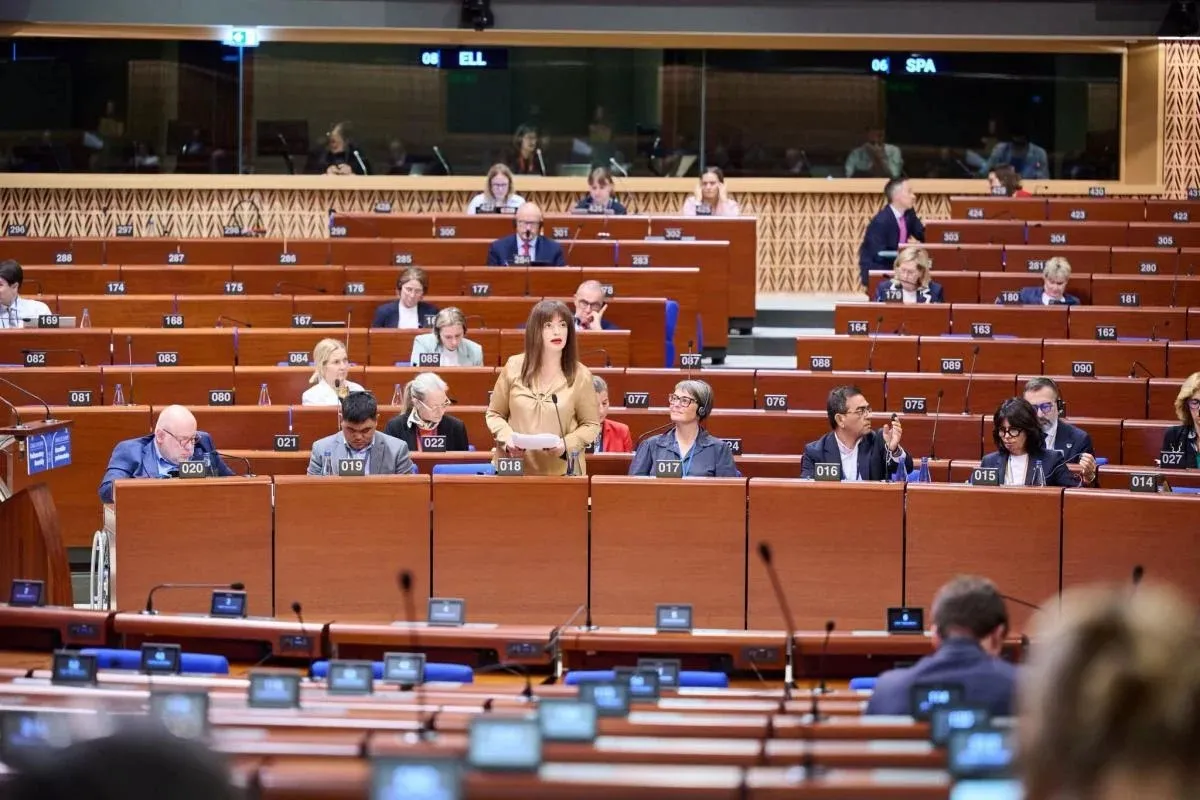
On September 29, the Parliamentary Assembly of the Council of Europe considered and voted in favor of two documents supporting veterans, particularly Ukrainian servicemembers who have become disabled as a result of the war. These documents address a common approach to veteran policy in Europe and specific support for Ukrainian servicemembers following injuries and trauma. For Ukraine, this could serve as the foundation for new assistance and rehabilitation programs, as well as for attracting international funding.
On September 29, the Parliamentary Assembly of the Council of Europe considered two important documents regarding support for veterans. One of them concerns general veteran policy in Europe, while the other addresses assistance for Ukrainian servicemembers who have become persons with disabilities as a result of combat operations. During the PACE session, votes were held on draft resolutions based on both reports. The first report was prepared by Ukrainian MP Lesya Zaburanna, and the second by Polish Senator Jan Filip Libicki.
The first report is titled “Toward a Coordinated Policy on Veterans in Europe.” The document states that European countries need common principles for assisting people after military service. PACE draws attention to the scale of the problem. Due to Russia’s full-scale war against Ukraine, Europe has seen the formation of the largest community of veterans since World War II. According to PACE’s own data, there are already more than two million veterans in Ukraine.
The document proposes that veterans’ policies not be limited to one-time payments. Support should encompass healthcare, psychological assistance, rehabilitation, education, employment, housing, and social protection. Separately, PACE proposes introducing a period of enhanced support following the end of service. The draft specifies a period of at least three years during which veterans should receive active assistance in adapting to civilian life.
The document also proposes creating single points of access to services for veterans, as well as digital services and registries. Special attention is given to mental health, trauma, and prosthetics.
A separate resolution concerns Ukrainian military personnel
The second document is titled “The Need for Systematic Support for Ukrainian Military Personnel Who Have Become Persons with Disabilities as a Result of Combat Operations.” It was presented by Polish Senator Jan Filip Libicki. PACE identifies the growing number of military personnel and civilians with disabilities as one of the greatest long-term social challenges for Ukraine. The document emphasizes that not only Ukraine but also other European states must address this issue.
The focus is primarily on rehabilitation, prosthetics, and helping people return to a full life. The report also specifically addresses the needs of women, people with sensory impairments, and other groups who may require additional support. This is particularly important for Ukraine because its veteran policy is already being shaped amid a full-scale war. While preparing the report, PACE consulted with Ukrainian civil society organizations, including Veteran Hub, “Princip,” “Legal Hundred,” and “Space of Opportunities.”
What They Want from European Partners
A separate section addresses international assistance. Ukraine and its partners are already working to establish a Multi-Donor Fund to Support Veterans, which is intended to pool resources from various countries and help develop a support system in Ukraine. The idea of such a fund has been under discussion between Ukraine and Canada since at least early 2026.
According to Zaburanna, it is now important for European countries to contribute to this funding not only politically but also with financial resources and concrete programs. This includes assistance with medical treatment and prosthetics, as well as training for Ukrainian rehabilitation specialists, prosthetists, and mental health professionals. Other potential areas of focus include support for veterans temporarily residing abroad and assistance for people injured by landmines.
What About Russian Assets?
Another issue being raised in connection with support for Ukraine is the use of frozen Russian assets. However, it is important not to confuse different PACE resolutions. Separate from the documents on veterans, an initiative is being advanced in the Council of Europe to use frozen Russian state assets to pay compensation to Ukraine. The PACE Committee on Legal Affairs has already endorsed this idea and proposed creating a special mechanism for payments to Ukraine.
Therefore, the possibility of using Russian assets for long-term support for veterans should currently be viewed as a political proposal rather than a decision that has already been adopted to allocate specific funds.
Europe Wants to Draw on Ukraine’s Experience
Another important point is that Ukraine is not merely a recipient of aid in this process. PACE studied Ukraine’s experience while developing its general veterans’ policy. Ukrainian civil society organizations have already developed their own models for supporting veterans and their families, and their findings have been incorporated into the materials for a European report.
PACE itself emphasizes that Ukraine’s experience could be useful for other countries as well. The reason is simple: once current wars end, the issue of reintegrating military personnel into civilian life will not disappear, and the number of people with military service experience will continue to grow.
What This Means in Practice
For Ukraine, the PACE resolution primarily signifies political support and joint European recommendations. This does not mean that veterans will automatically receive new benefits or free medical treatment in other countries. PACE resolutions do not replace Ukrainian laws and do not, in and of themselves, create a separate budget. However, they can serve as a basis for future decisions by the governments of Council of Europe member states, international programs, and donor projects.
The most practical areas of focus could include medical treatment and rehabilitation abroad, prosthetics, training for Ukrainian specialists, psychological support, employment assistance, and support for veterans as they transition back to civilian life. Ultimately, PACE is effectively shaping a shared vision of what veterans’ policy in Europe should look like. This is particularly important for Ukraine given the scale of the war and the number of people who have already served or will serve in the military.
According to Lesya Zaburanna, the next task is to translate these policy decisions into concrete programs and resources. And it is precisely the further actions of governments and international partners that will determine the extent to which PACE’s decisions will have practical results for Ukrainian veterans. This was reported by Member of Parliament Lesya Zaburanna.
Prosecutor General Kravchenko and representatives of his office will not participate in the meeting of the Parliamentary Network on the Situation of Children in Ukraine.




