
Nolan’s ‘The Odyssey’ IMAX run in South Korea may end earlier
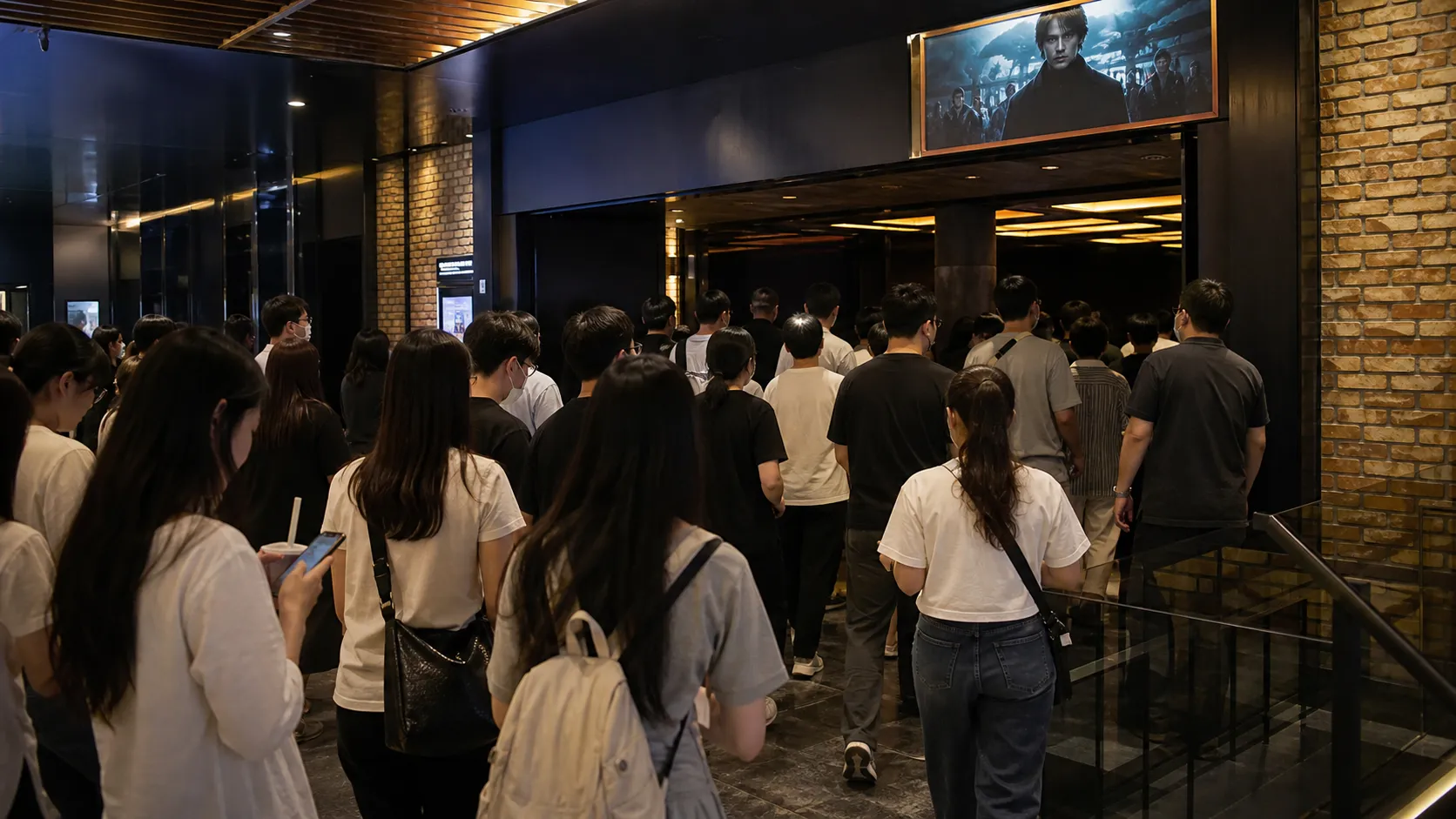
IMAX screenings of Christopher Nolan’s film “The Odyssey” in South Korea may end earlier than viewers expect. The length of its theatrical run may be affected by the screen quota system, which requires cinemas to allocate part of their operating days to Korean films, The Korea Herald reports.
According to the Korean Film Council, as of Friday—the film’s 17th day in release—“The Odyssey” had sold more than 6.04 million tickets in the country. More than 630,000 of them were purchased for IMAX screenings, the highest figure among all films released in South Korea this year.
Demand for IMAX tickets
Particularly high demand was recorded for screenings at the CGV Yongsan cinema in Seoul. As of Sunday, nearly all tickets for IMAX screenings there through August 30 had sold out, except for seats for people with disabilities. Tickets are also being offered by resellers on second-hand trading platforms.
The film was shot entirely with IMAX cameras, which increased interest in watching it in this format. The screen at CGV Yongsan most closely matches the format intended by the director: it is the largest IMAX screen in Asia, the third largest in the world, and the only one in South Korea capable of showing the full 1.43:1 IMAX frame without cropping.
More current news is available on the UA.News Telegram channel Telegram.
Screen quotas
Under South Korea’s quota system, cinemas, including IMAX and 4DX auditoriums, must screen Korean films for at least one-fifth of their operating days. For cinemas operating year-round, this amounts to 73 days. The quota applies separately to each screen.
As of Friday, the IMAX screen at CGV Yongsan had accumulated 35 days of Korean film screenings, leaving 38 more days to meet the annual requirement. Local media report that, given this year’s planned releases of “Dune: Part Three” and “Avengers: Doomsday,” “The Odyssey” may remain in cinemas for no more than about another two months.
The situation has revived debate over changing the system: some representatives of the local film industry propose counting Korean film screenings across all screens at a cinema rather than screen by screen. At the same time, some industry experts caution that such a change may be premature and could limit Korean films’ access to specialized auditoriums.


