
Sanctions against Russia, including tariffs of up to 500%, have reached the U.S. House of Representatives
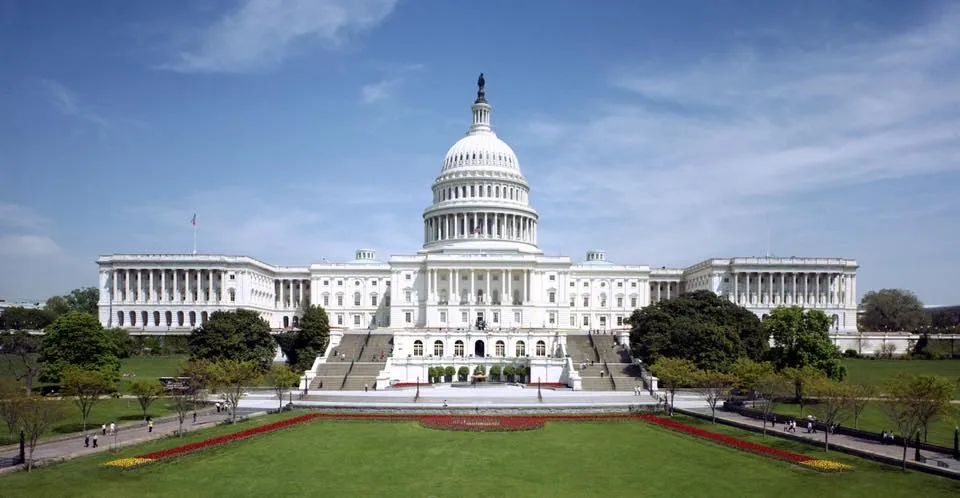
As of August 11, a bipartisan bill to strengthen sanctions against Russia and Iran was introduced in the U.S. House of Representatives. The Senate had previously approved the bill nearly unanimously. The initiative calls for tariffs of up to 500% on goods from Russia, as well as sanctions targeting Russian banks and the “shadow fleet.”
The U.S. Congress consists of two chambers—the Senate and the House of Representatives—and for the bill to become law, it must be passed in identical form by both chambers. The Senate already voted on the bill in early August—86 votes in favor and 11 against—which amounts to virtually unanimous bipartisan support. But this is only half the battle: without a vote in the House of Representatives, the law will not take effect, and that is precisely where it has just been introduced.
The text introduced in the lower chamber is identical to the one that has already passed the Senate—this is important because if the chambers adopt different versions of the bill, they must be reconciled, which delays the process. An identical text means that as soon as the House of Representatives votes on the bill, it can immediately go to President Donald Trump for his signature, without any further reconciliation.
No official date has been set for the vote yet, but given the broad bipartisan support—with more than 15 members of Congress from both parties among the co-sponsors—the chances of passage are considered high.
Once the president signs the bill, the sanctions will take effect, and they can only be lifted if Russia signs a peace agreement acceptable to the Ukrainian government and completely ceases hostilities and attempts to overthrow or undermine the Ukrainian government—this condition is explicitly stated in the bill itself.
The bill, titled the “Lindsey O. Graham Sanctioning Russia and Iran Act of 2026,” was introduced in the House of Representatives by Congressman Brian Fitzpatrick, co-chair of the Congressional Ukraine Caucus. Among the co-sponsors are influential Republicans and Democrats, including Michael McCaul, chairman emeritus of the Committee on Foreign Affairs; Steny Hoyer, Democratic minority leader; and Mike Rogers, chairman of the Armed Services Committee.
The bill imposes sanctions on Russia’s largest banks, bans new U.S. investments in Russia and the purchase of Russian government debt, and targets the “shadow fleet” that transports oil in circumvention of sanctions. Separately, the bill allows for the imposition of tariffs of up to 500% on goods from Russia and up to 100% on goods from countries that are the largest buyers of Russian oil or gas or that help circumvent sanctions. The Iran Sanctions Act is also extended through 2031.
This was reported in a press release from Congressman Brian Fitzpatrick.
Earlier, Zelenskyy thanked the U.S. Senate for approving harsh sanctions against Russia.
The U.S. Senate has backed a sweeping bill imposing new sanctions against Russia and Iran. The bill passed with 68 votes in favor and nine against, and will now be considered by the U.S. House of Representatives.


