
Sweden signs SEK 2.9 billion contract with Saab for conceptual work on future fighter jet
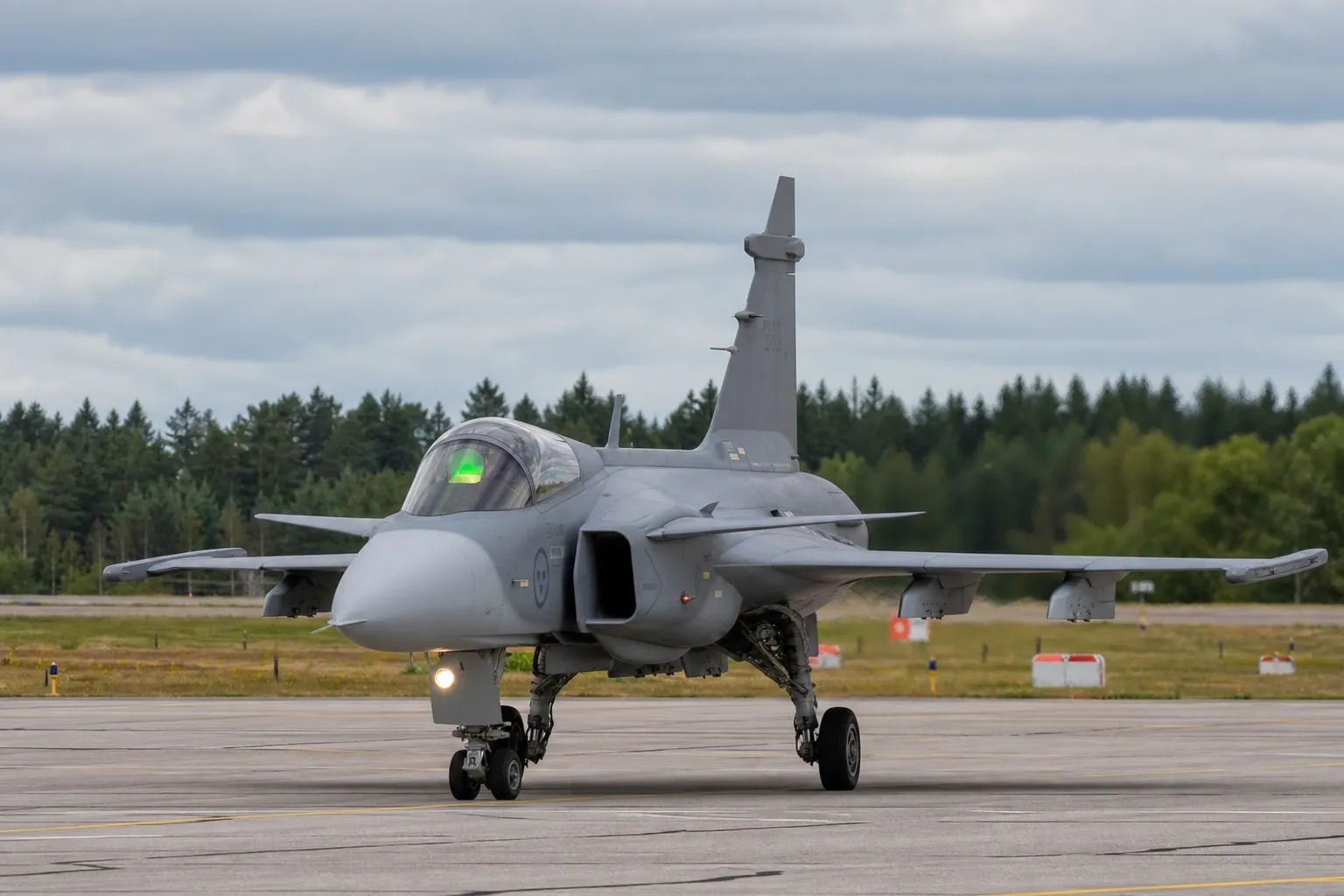
In Sweden, the Defence Materiel Administration (FMV) has signed a contract with Saab worth approximately SEK 2.9 billion, or about $303 million, to continue conceptual work on a future combat aviation system. Work under the agreement will run from 2026 to 2028, with an option to extend it to 2029 and 2030, Defense News reports.
Demonstrators and unmanned platforms
According to Saab, the contract covers work on flight and ground demonstrators, in-depth studies, and the development of concepts for future systems for manned and unmanned platforms.
Saab said the program is intended to strengthen Sweden's capabilities in systems integration, autonomy, signature adaptation, propulsion systems and digital technologies. The company also stated that the work should reduce technical risks and preserve the country's freedom of action in future combat aviation decisions.
Lars Tossman, head of Aeronautics at Saab, called FMV's continued confidence important for developing and demonstrating technologies that will be key to the future fighter system.
More current news is available on the UA.News Telegram channel Telegram.
Program beyond 2040
This is the third order within Sweden's Koncept för Framtida Stridsflyg program, also known as Vägval stridsflyg. The program is intended to determine the development of the country's air power after 2040. The first contract under it was signed in March 2024, and in October 2025 Saab received an extension worth SEK 2.6 billion for work in 2025–2027.
The previous stage included plans to create a flight demonstrator: the development of concepts and technologies was initially planned to be completed in the third quarter of 2026, with the first flight tests to be conducted in 2027. Saab had previously presented the F-series family of concepts, which includes a manned fighter jet and subsonic and supersonic unmanned platforms of various classes.
The KFS program was launched after Sweden left the UK-led Team Tempest project in 2023, which later became GCAP, and chose its own national development.


