
The Legacy of King Jaja of Opobo — Premium Times Nigeria
In Nigeria, the Kingdom of Opobo is preparing for the coronation of Charles Douglas MacPepple Jaja, Jeki VI, as Amanyanabo on September 26. In a column published by Premium Times Nigeria, Dakuku Peterside examines the legacy of King Jaja of Opobo as an example of economic self-reliance, the protection of interests, and institution-building.
Trade and influence
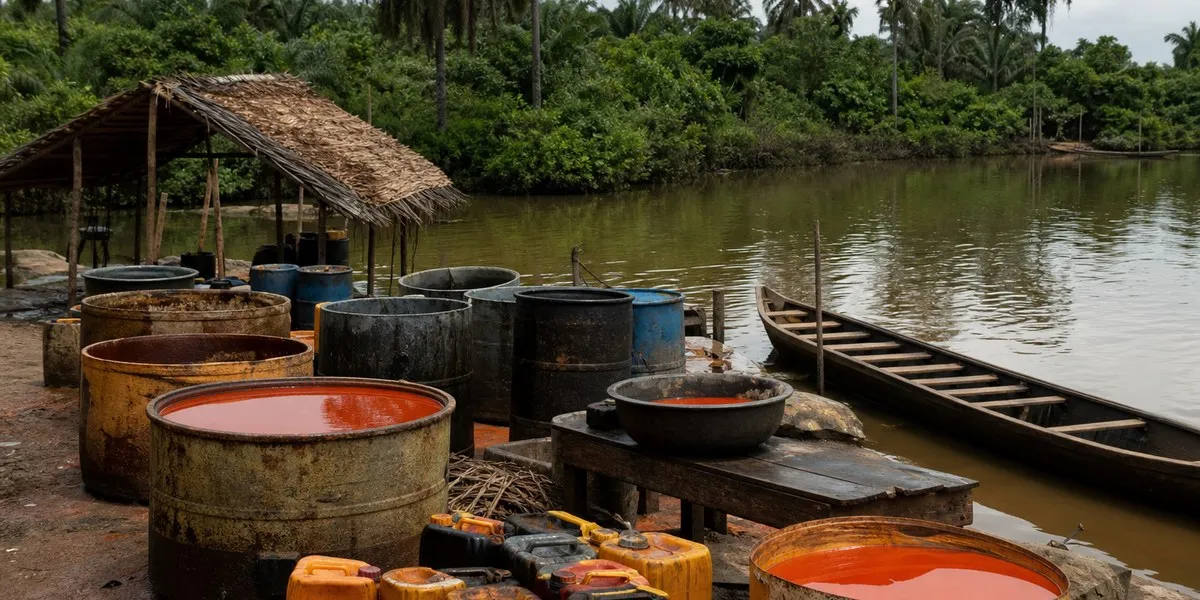
As Peterside writes, Jaja created an influential commercial and political order in Opobo, organized people, secured trade routes, and built alliances. Palm oil, in the author’s assessment, was the foundation of the political economy: control over access to inland areas, trade channels, terms of exchange, and relations with foreign merchants provided not only wealth but also leverage.
The author notes that Jaja did not reject international trade, but opposed attempts by European interests to bypass African intermediaries and dictate the terms of commerce. In Peterside’s view, this story shows that cooperation with the outside world should not deprive society of the right to protect its own interests.
More current news is available on the UA.News Telegram channel Telegram.
Economic self-reliance
Peterside draws a parallel with contemporary Nigeria and raises the question of control over value chains. He writes that the presence of oil, cocoa, sesame, cashews, tomatoes, lithium, gold, or iron ore does not in itself ensure prosperity. In his assessment, resources become a source of national strength only when knowledge, capital, infrastructure, and institutions are in place.
The author emphasizes that economic self-determination does not mean isolation or rejecting foreign investment. In his view, external capital and partnerships should develop local skills, technology, production chains, tax revenues, and competitive Nigerian enterprises. Peterside also criticizes the dependence of reforms on individual officials and calls for the creation of resilient institutions.




