
US pushes new mechanism to monitor sanctions against Iran — The National
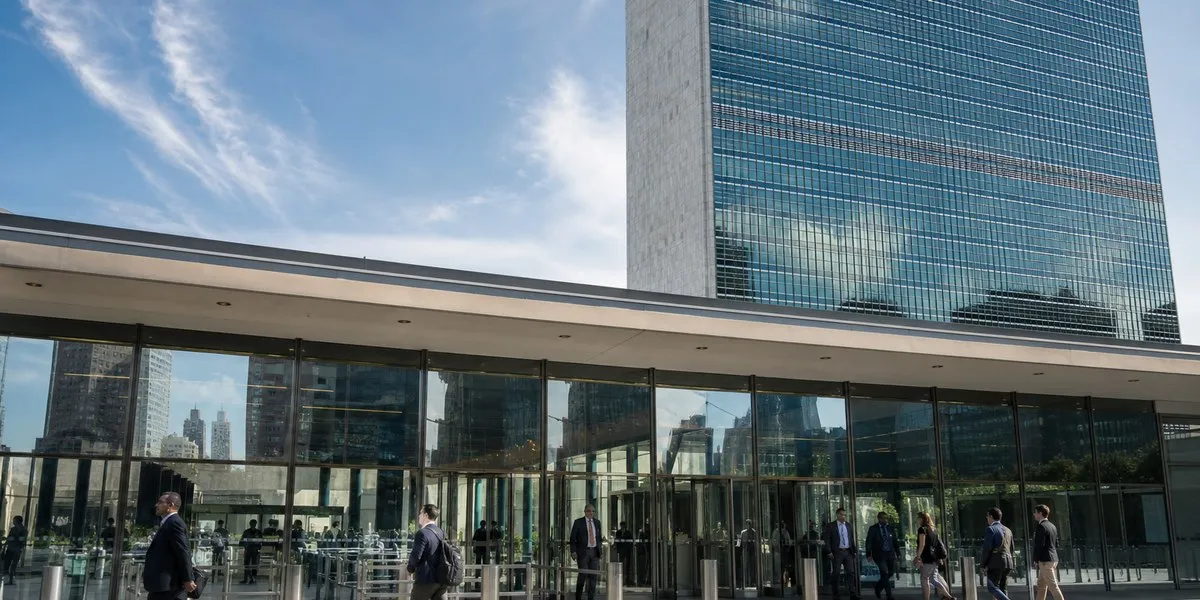
In New York, United States, US representatives at the UN stated their intention to promote the creation of an independent multilateral mechanism to monitor compliance with sanctions against Iran. The initiative came after Russia, as an aggressor state, and China blocked the extension of the mandate of the current panel of experts that monitored violations of the sanctions regime, The National reports.
US statement at the UN General Assembly
US Ambassador to the UN Mike Waltz told the General Assembly that Washington would continue to advocate for the work of the panel of experts. At the same time, the United States will promote an independent multilateral panel that will monitor and report on compliance with sanctions against Iran. According to him, blocking UN monitoring should not prevent verification.
Russia and China vetoed a US-drafted UN Security Council resolution on extending the mandate of the expert panel. Waltz also said that the United States has information about Russia transferring fighter jets and armored vehicles to Iran in late 2025. According to him, such operations could become subject to verification by independent experts.
More current news is available on the UA.News Telegram channel Telegram.
Dispute over sanctions
The parties assess the legal status of previous UN sanctions against Iran differently. The United States, the United Kingdom, France and Germany maintain that last year they activated the snapback mechanism provided for by the 2015 nuclear deal, which automatically restores restrictions lifted under the agreement.
Russia and China dispute this interpretation, believing that the European states had no right to trigger the mechanism and that the previous sanctions remain lifted. Russia's Permanent Representative to the UN Vasily Nebenzya called the Western countries' course illegal and reckless and said that Moscow would oppose attempts to restore restrictions through the Security Council.
The Iran sanctions committee, known as the 1737 Committee, was established by the Security Council in 2006 to oversee sanctions related to Iran's nuclear program. After the Joint Comprehensive Plan of Action was concluded in 2015, its work became inactive. In June, the IAEA reported that Iran remains the only state without nuclear weapons that is party to the Treaty on the Non-Proliferation of Nuclear Weapons and produces uranium enriched to 60%. In July, the agency said that due to inspection restrictions, it had lost the ability to fully monitor Iran's nuclear program.




