
Court allows destruction of nearly entire deer population on Catalina Island
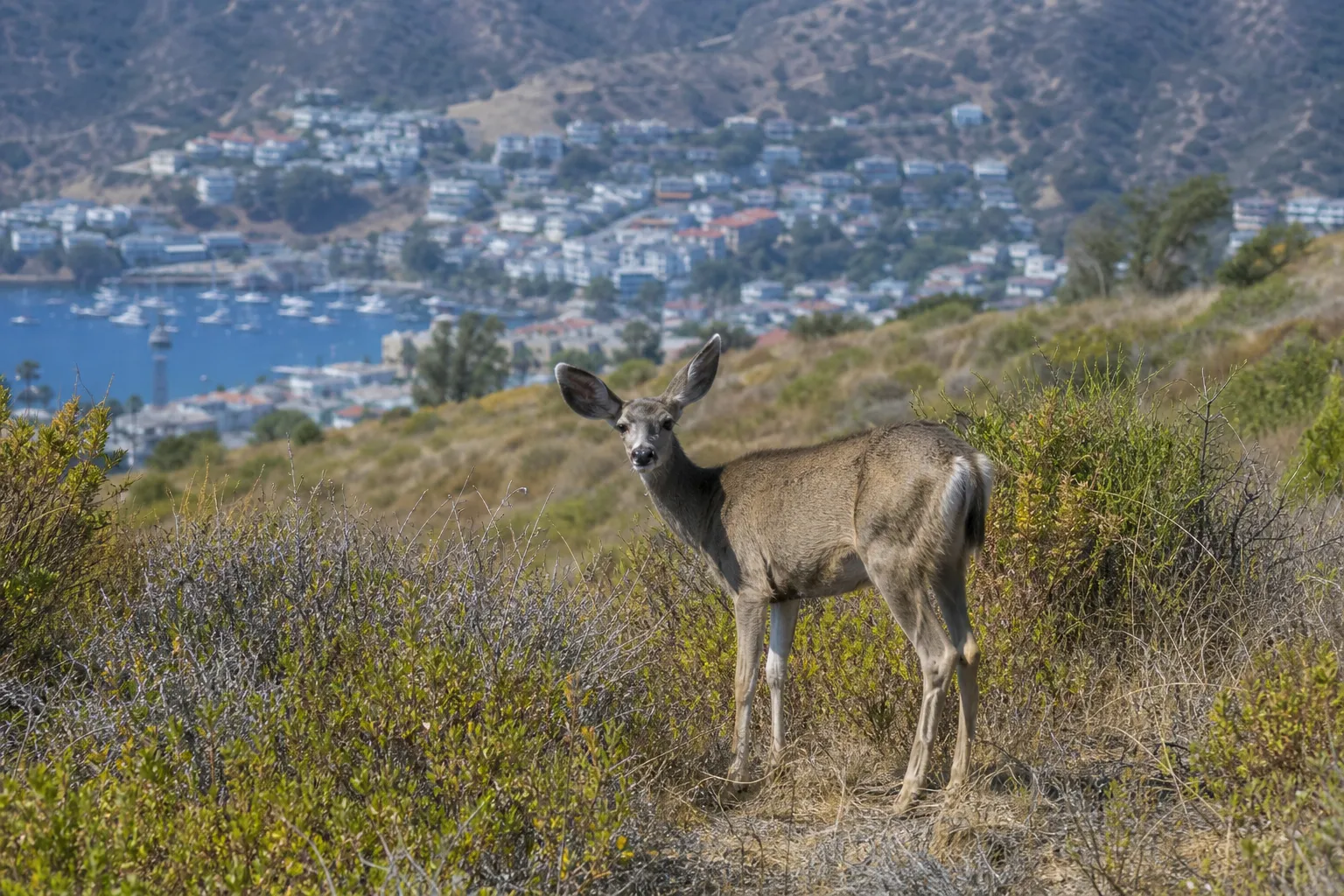
A district judge denied opponents of the deer cull a preliminary injunction, clearing the way for a plan to destroy nearly the entire population of about 2,000 mule deer on Santa Catalina Island off the coast of Southern California.
The nonprofit Catalina Island Conservancy, which controls 88% of the island, plans to eliminate the introduced population over five years. As The Guardian reports, hunters are expected to shoot about 200 animals with rifles over the next two months.
Reason for the cull
Deer were brought to Catalina for sport hunting about a century ago. Since then, their numbers have grown from several animals to several thousand. Experts supported the conservationists' plan because the animals eat native shrubs, making it harder for local vegetation to recover.
According to professor and plant biologist Anna L. Jacobsen, shrubs already affected by climate change do not have time to recover after being eaten by deer and may disappear locally. They are being replaced by invasive grasses, which ignite more quickly and contribute to the spread of fire. Scientists link deer population control to protecting native plants and reducing fire danger.
More current news is available on the UA.News Telegram channel Telegram.
Objections and implementation of the plan
The decision has prompted opposition from part of the public: both animal rights advocates and hunters opposed killing the animals. An online petition against the plan has collected more than 32,000 signatures. Los Angeles County representative Janice Hahn also asked California Governor Gavin Newsom to intervene, but this did not affect the court's decision.
The conservation organization considered contraception, sterilization and fencing, but deemed these options unsuitable for a population of this size. A small group of deer near the city of Avalon will be sterilized, while the rest are planned to be killed. Island residents will be allowed to hold a final hunting season from late October to mid-December 2026. The animals' meat will be provided to a California condor recovery program or local tribal communities.
Carcasses near roads and trails will be removed. Animals shot in hard-to-reach areas will be left to decompose naturally.


