
Holiday on August 11, 2026 — World Steel Drum Day

August 11 marks World Steelpan Day—a holiday dedicated to the steelpan, an unusual musical instrument that originated in Trinidad and Tobago. Its history began with simple metal barrels, but over time, the steelpan has become a national symbol of the country and a world-renowned musical instrument. The UN established this day in 2023 to draw attention not only to music but also to cultural heritage, education, creativity, and community development.
World Steelpan Day is celebrated annually on August 11. In 2026, it falls on a Tuesday. This day was officially added to the calendar of international observances following a resolution by the UN General Assembly on July 24, 2023. The corresponding resolution, A/RES/77/316, was adopted without a vote. The document designated August 11 as World Steelpan Day and called on countries, educational institutions, and cultural organizations to hold events dedicated to the history and significance of the steelpan.

The UN noted that the steelpan has significance far beyond music. The instrument is linked to the culture of the African diaspora, youth creativity, education, gender equality, and the development of the creative economy. The organization also highlighted its potential in supporting inclusive societies and sustainable development. Therefore, this is not just a day for fans of this unique musical instrument. It is also an opportunity to discuss how culture can bring people together and help communities thrive.
What Is a Steelpan?
A steelpan, also known as a steel drum or simply a pan, is a melodic percussion instrument. Unlike a regular drum, it can produce specific musical notes. It is made of steel, and one of the main materials used to create modern steelpans is large metal barrels that were once used to store and transport oil. The craftsman shapes distinct sections on the surface of the instrument. Each section corresponds to a specific note. When a musician strikes one of these sections with a special mallet, the metal begins to vibrate and produces a distinctive, resonant sound.
On the outside, a steelpan may resemble an ordinary metal container. But turning it into a real musical instrument is much more complicated than it seems. The metal must be properly shaped, divided into zones, and tuned. That is why steelpan making is considered a distinct craft that requires experience, a good ear, and great precision. Steelpans come in various sizes and ranges. Large ensembles use a whole family of instruments—from high-pitched parts that carry the melody to large bass pans. Together, they form a full-fledged orchestra with a very distinctive sound.
How a New Instrument Was Born from Ordinary Barrels
The history of the steelpan is closely tied to Trinidad and Tobago and its carnival culture. In the 19th and early 20th centuries, African drumming traditions were an important part of local community life. However, colonial authorities restricted the use of traditional instruments. Musicians began to look for other ways to create rhythm. One such alternative was the so-called “tamboo bamboo”—ensembles that used bamboo sticks instead of drums. But this tradition, too, eventually faced bans. That’s when musicians began experimenting with metal.

In the 1930s, the first experiments with metal objects began to appear in Trinidad. And around the time of World War II, young musicians began using metal containers, particularly large oil drums. They discovered that by deforming the metal surface in the right way, they could produce different notes. This is how the steelpan gradually came into being. At first, it was an experiment with readily available materials, but over time, craftsmen learned to create complex instruments with precise tuning. An ordinary metal barrel was transformed into an instrument capable of playing melodies, harmonies, and entire musical compositions.
That is precisely why the history of the steelpan holds special significance for Trinidad and Tobago. It is an example of how culture can emerge even in places where people are restricted from freely expressing themselves. The musicians didn’t give up on rhythm—they found a new material and created an entirely new instrument.
From Carnivals to the World Stage
At first, the steelpan was closely associated with the street culture and carnivals of Trinidad and Tobago. Gradually, steelband orchestras became increasingly popular. Musicians performed at parades, carnival events, and large parties, and the instrument itself came to be seen as an important part of the national culture. Over time, the steelpan spread far beyond the Caribbean region. It began to be used to perform not only local music but also pop hits, classical pieces, jazz, film scores, and other genres. As a result, the steelband became not just a carnival ensemble but a full-fledged musical group.
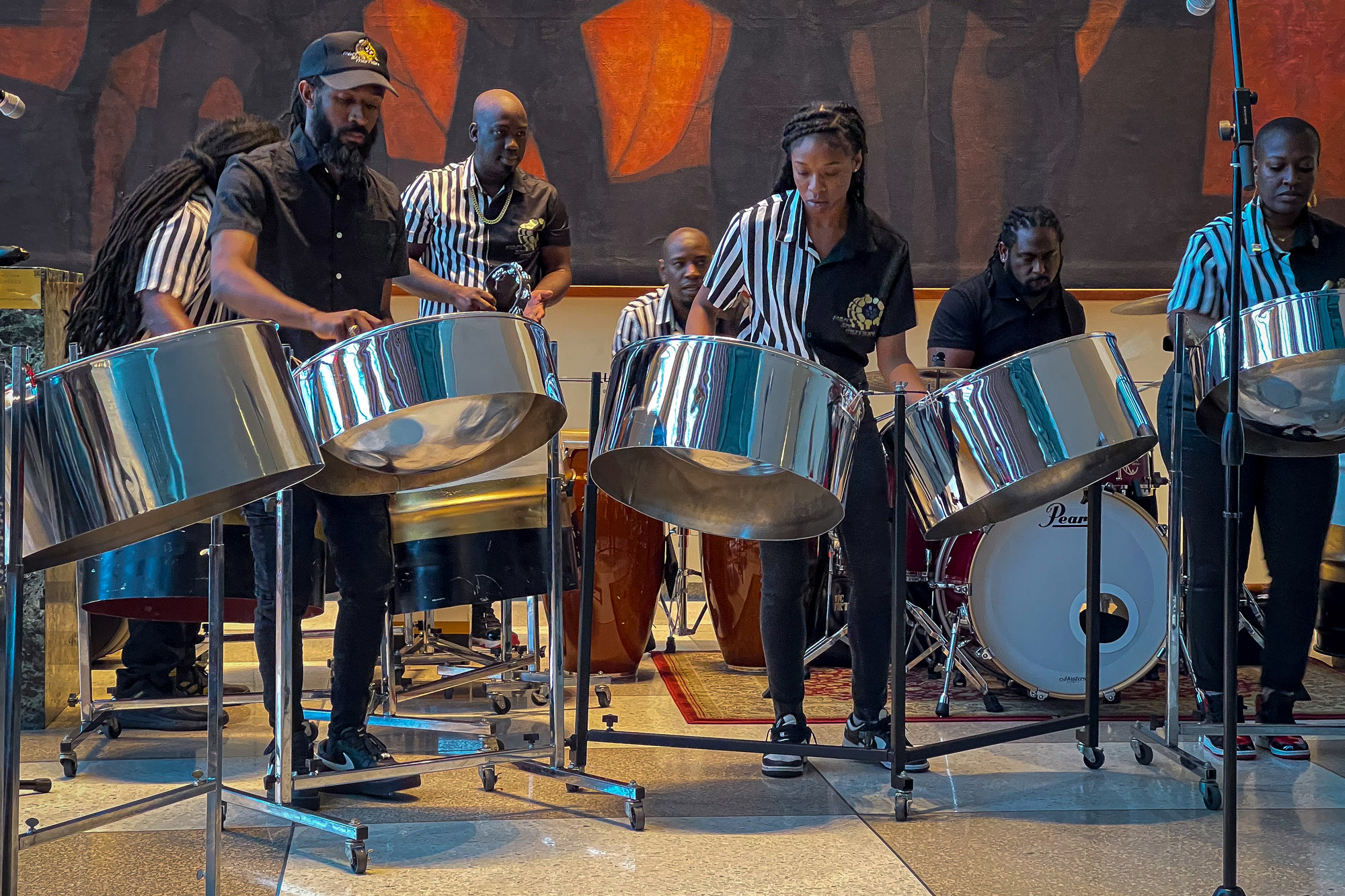
In Trinidad and Tobago, major steelband competitions are held. One of the most famous is Panorama—a large-scale competition that has become an important part of the country’s carnival culture. Large ensembles can consist of dozens of musicians, and their performances turn into true musical spectacles. Today, the steelpan is considered the national musical instrument of Trinidad and Tobago. For many residents of the country, it has become not just a way to make music, but a part of their own identity. The National Library and Information System of Trinidad and Tobago describes the steelpan as an important part of the country’s cultural expression.
Why the UN Dedicated a Special Day to the Steelpan
The UN’s decision is not solely based on the history of the musical instrument. The resolution emphasizes that the steelpan can help foster inclusive societies, support young people, and promote sustainable development. It is used in cultural and educational projects, and music programs can provide children and young people with a space for creativity and social interaction.
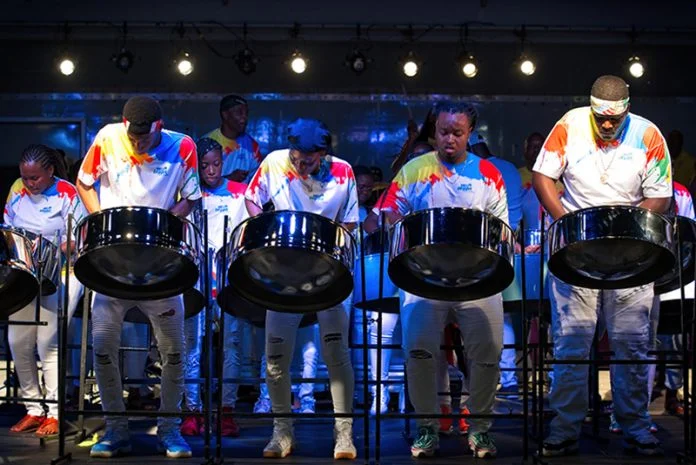
Separately, the UN highlighted the steelpan’s connection to the cultural heritage of people of African descent. The instrument emerged within a specific historical and social context, so its history tells not only of music but also of the struggle for the right to preserve one’s own culture. Another important theme is the creative economy. Music groups, schools, workshops, festivals, competitions, and tourism events have sprung up around the steelpan. In other words, the instrument has become part of an entire cultural ecosystem that creates opportunities for musicians, teachers, artisans, and organizers.

The UN also links the steelpan to mental health and well-being, gender equality, and youth empowerment. That is why World Steelpan Day has a much broader significance than simply promoting an unusual sound.
What traditions does this holiday have?
Since World Steelpan Day is a relatively new international observance, it does not yet have a single set of traditions like those of long-established folk holidays. The UN suggests celebrating it through concerts, workshops, exhibitions, educational programs, and other cultural events. The main goal of such events is to educate people about the history of the steelpan and its significance for culture and sustainable development.
On this day, you can listen to performances by steelpan orchestras or watch recordings of major carnival competitions in Trinidad and Tobago. Another option is to attend a concert or workshop dedicated to the steelpan. For those who want to learn more, it will be interesting to see how master craftsmen shape and tune the instrument’s metal surface. You can also spend August 11 exploring the history of Trinidad and Tobago’s music. For example, you can learn how traditional African rhythms, carnival culture, and experiments with metal led to the creation of the steelpan.
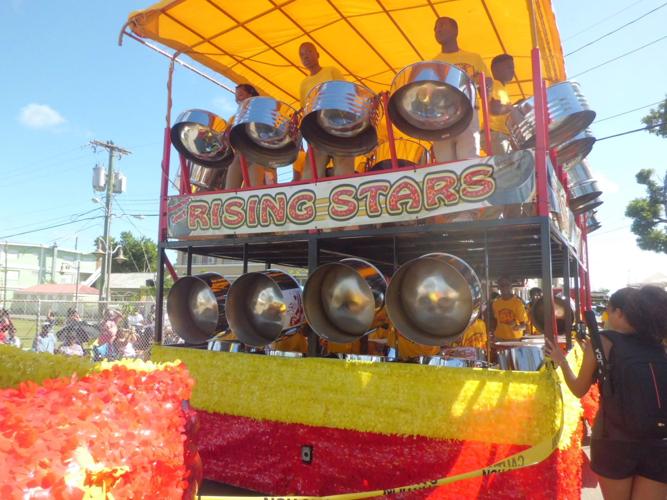
Educational institutions can hold themed lessons on Caribbean music. Musicians can organize concerts or open rehearsals. And social media users can talk about the instrument, share its music, and introduce others to the culture of Trinidad and Tobago.
Interesting Facts About the Steelpan
The steelpan isn’t exactly an ordinary drum. Despite its popular name, the “steel drum,” its main feature is its ability to play melodies. The instrument’s surface has distinct tuned zones, each with its own pitch.
Its history is linked to metal recycling. Early experimenters used various discarded metal containers. Eventually, large oil drums became one of the primary materials for making steelpans.
The instrument emerged in the 20th century. Unlike many traditional musical instruments, the history of its emergence can be traced back to a specific period and social context. That is why the steelpan is often called one of the most important acoustic musical inventions of the 20th century.
The steelpan can produce a wide variety of sounds. It is used to perform Caribbean music, pop, jazz, classical pieces, film scores, and compositions in other genres. This demonstrates just how versatile an instrument it has become, one that was originally created for carnival performances.
A steelband consists of various instruments. An orchestra may include high-pitched tenor steelpans, mid-range instruments, and large bass steelpans. In addition, the ensemble has an additional percussion section called the “engine room.”
The steelpan has helped Trinidad and Tobago make its mark on the world. Today, its sound is associated with Caribbean culture and is part of the country’s national identity.
How to Celebrate World Steelpan Day
You can celebrate August 11 even without a special event nearby. The easiest way is to find a recording of a steelband performance and listen to how the entire orchestra sounds. It’s especially interesting to compare the sounds of the high and low steelpans and pay attention to how they work together. Another option is to watch videos from the carnivals in Trinidad and Tobago. There, you can clearly see how closely the steelpan is tied to street culture, dancing, and the festive atmosphere.
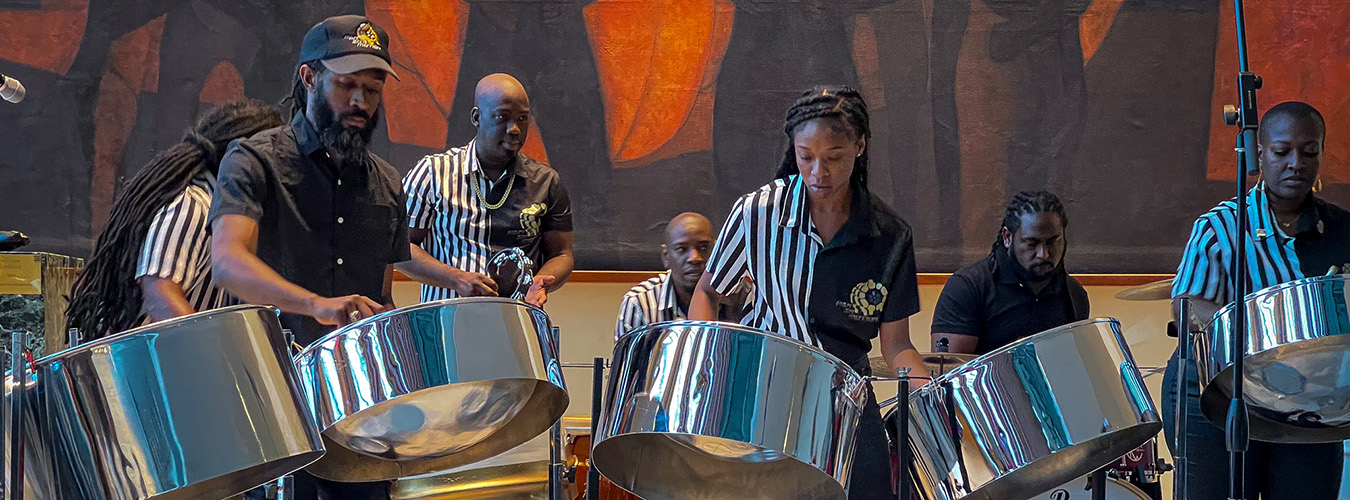
You can also try to find a workshop or music school that teaches how to play the steelpan. For children, this can be a fun way to discover music through an unusual instrument, and for adults, it’s an opportunity to try something new. If there’s no steelpan nearby, simply telling others about it is enough. Sharing music, an interesting fact, or a brief history of the instrument’s origins is also a way to support the spirit of this international day.
The Steelpan as a Symbol of Ingenuity
Perhaps the most fascinating thing about World Steelpan Day is the story of its hero. The steelpan wasn’t created in a large laboratory or designed for a prestigious concert hall. It was born out of people’s need to keep making music despite limitations. Instead of traditional instruments, musicians turned to metal. Instead of expensive materials, they used whatever was at hand. And instead of abandoning their musical tradition, they turned difficult circumstances into an opportunity to create something new.

Today, the steelpan is heard far beyond the borders of Trinidad and Tobago. It is played by musicians in various countries, and the instrument itself has become part of international musical culture. In 2023, the UN officially recognized its cultural and social significance by establishing World Steelpan Day. So August 11 is not just an occasion to listen to unusual music. It’s a day that reminds us that culture can survive bans, evolve, and take on new forms. And sometimes, even an ordinary old metal barrel can be the beginning of a story that the whole world will hear.


