
Holiday on October 2, 2026 — World Alcohol-Free Day

October 2, 2026, marks World Alcohol-Free Day—an initiative originally proposed by India at the World Health Assembly. The date was not chosen at random: it is the birthday of Mahatma Gandhi, who advocated abstinence from alcohol. The initiative was intended to draw attention to the consequences of excessive alcohol consumption and to remind people of the importance of a healthy lifestyle.
Alcohol-Free Day is associated with October 2. The date remains the same every year because it is tied to Mahatma Gandhi’s birthday. In 2026, this date falls on a Friday. At the same time, it is important to understand the status of this day. In 2008, India did indeed propose at the World Health Assembly that October 2 be declared World Alcohol-Free Day. In WHO documents, this proposal is recorded as an initiative by India, not as a separate, officially recognized WHO holiday. WHO regional offices and individual countries have since used October 2 for awareness-raising activities focused on alcohol-related issues.
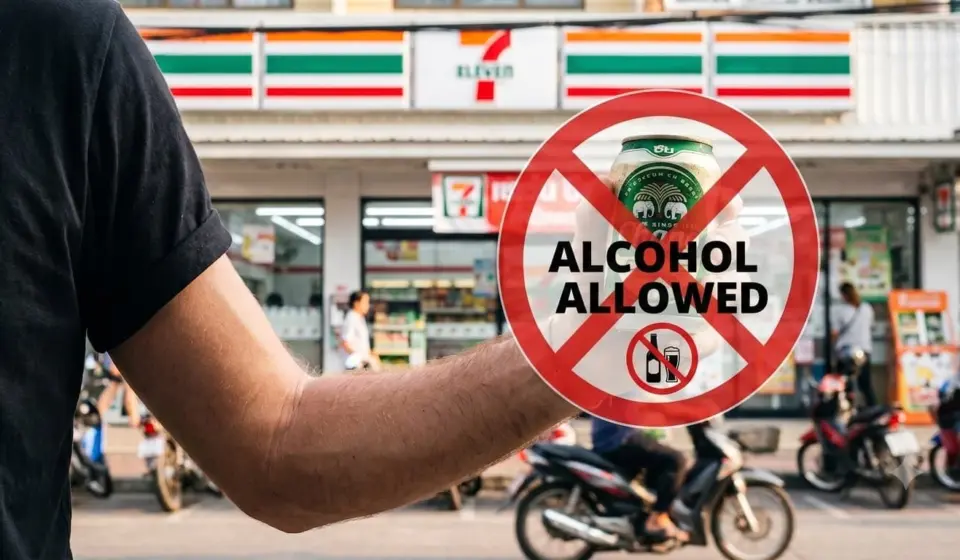
Therefore, it is more accurate to refer to October 2 as an international initiative or a day dedicated to abstaining from alcohol, rather than an official WHO observance. This is an important clarification, as calendars often list this date as a fully recognized World Day. WHO’s own documents confirm the fact that India made the proposal and that the idea was subsequently discussed.
How Alcohol-Free Day Came to Be
The history of this date began in 2008. At that time, during the 61st World Health Assembly, representatives from India raised the issue of the need for a separate day to draw attention to the harms of alcohol. The proposal was put forward by India’s then-Minister of Health, Anbumani Ramadoss. In its statement, the Indian delegation emphasized that excessive alcohol consumption is linked not only to health problems. It also leads to domestic violence, injuries, social problems, and premature deaths. India proposed holding an annual Alcohol-Free Day on October 2.
The proposal was linked to Mahatma Gandhi. He was born on October 2, 1869, and was a well-known advocate of sobriety. For the Indian delegation, this date became a symbolic opportunity to discuss abstaining from alcohol through the principles of nonviolence, self-discipline, and a responsible attitude toward one’s own life. WHO documents show that following India’s proposal, the issue continued to be discussed at the regional level. Representatives from various countries considered different ways to reduce alcohol-related harm, including restrictions on the availability, advertising, and sale of alcohol.
Why Mahatma Gandhi?
The choice of date is not simply tied to the birthday of a famous person. Mahatma Gandhi consistently opposed alcohol consumption and considered sobriety an important part of public life. For him, alcohol was not merely a personal issue for the individual. Gandhi linked the spread of alcohol to social and family problems. Therefore, it was decided to use his birthday as a symbolic date for an international discussion on the harms of alcohol.
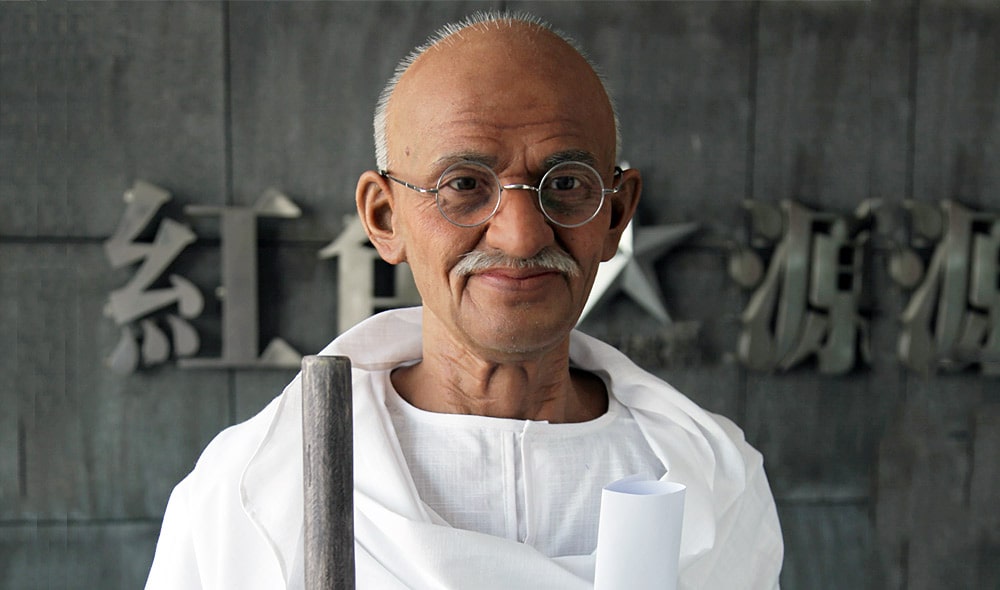
This explanation is also included in the documents of the 2008 World Health Assembly. The Indian delegation named Gandhi one of the most consistent advocates of abstinence from alcohol and emphasized his ideas of nonviolence. Interestingly, October 2 holds another important significance in India. It is Gandhi’s birthday, celebrated as Gandhi Jayanti. Thus, the proposal to designate this date as Alcohol-Free Day combined an existing commemorative date with the theme of public health.
Why Do We Need Such a Day?
The main idea behind Alcohol-Free Day is not simply a call to abstain from drinking for 24 hours. The goal is to draw attention to the real consequences of alcohol consumption and to discuss them openly, without sugarcoating the issues.
According to the World Health Organization, alcohol was linked to approximately 2.6 million deaths worldwide in 2019. This accounted for about 4.7% of all deaths that year. Of these, about 1.6 million were linked to noncommunicable diseases, 700,000 to injuries, and another 300,000 to infectious diseases.
Alcohol is linked to many health problems. The WHO lists these as including, in particular, liver disease, cardiovascular disease, certain types of cancer, alcohol-related disorders, and injuries. Alcohol consumption can also increase the risk of dangerous situations and accidents. The problem is particularly pronounced among young people. According to WHO estimates, in 2019, about 13% of all alcohol-related deaths occurred among people aged 20 to 39. The organization also notes that the greatest harm results from episodes of very heavy or prolonged alcohol consumption.
What the Statistics Say About Alcohol
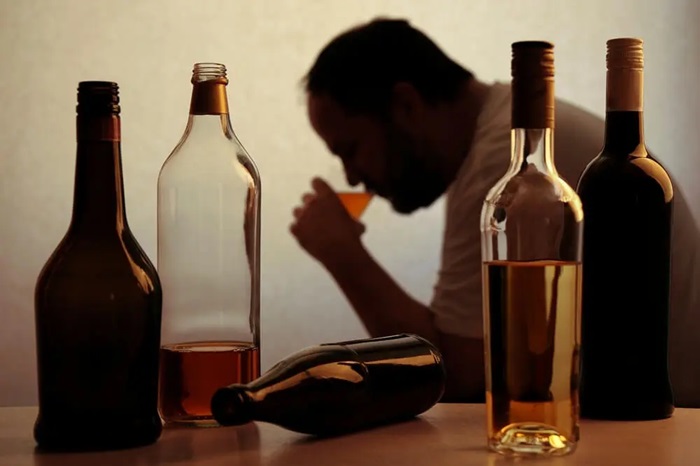
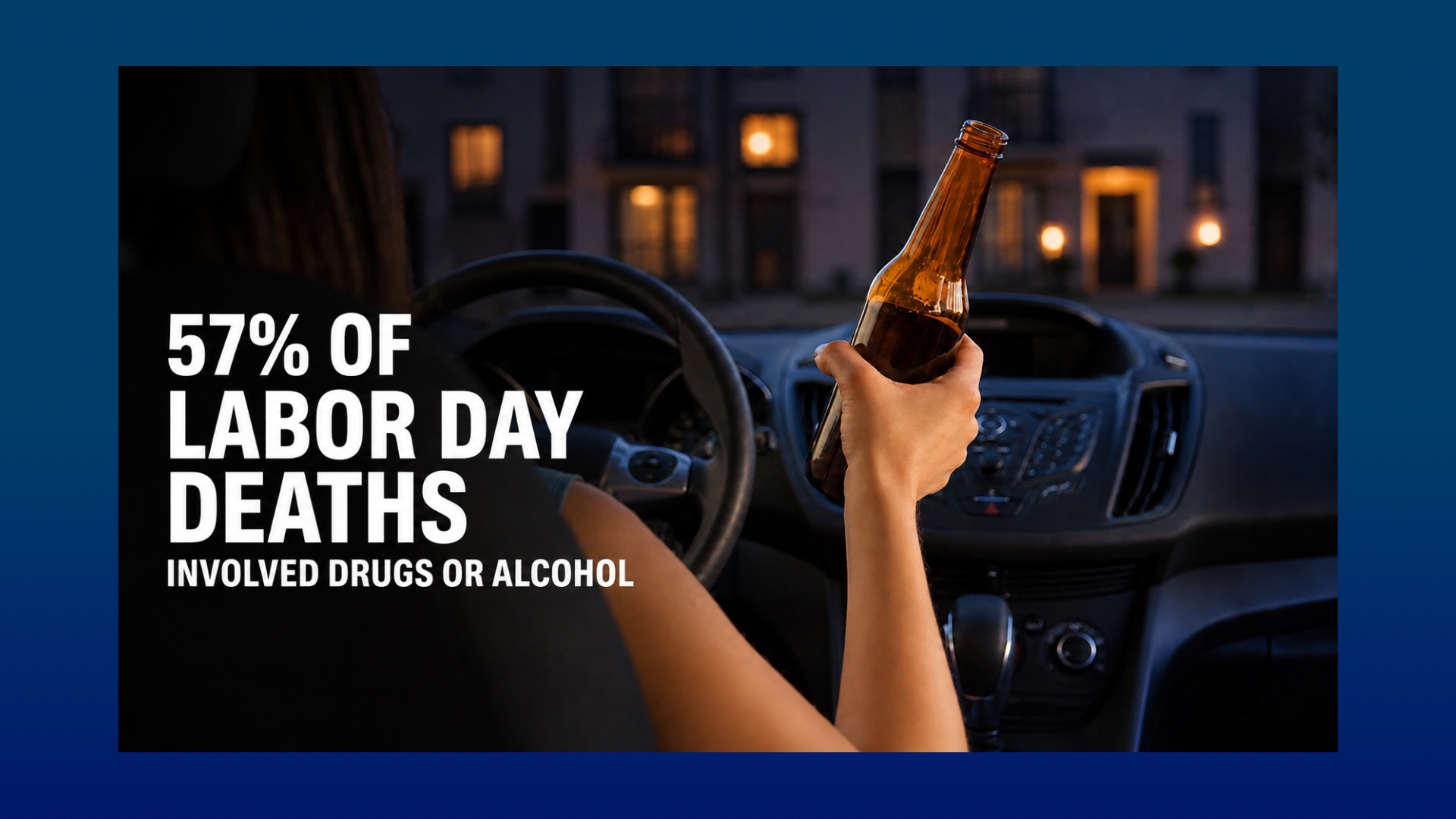
The figures show that the problem is much broader than the simple question of “to drink or not to drink.” According to the WHO, in 2019, approximately 400 million people worldwide aged 15 and older lived with alcohol-use disorders. Approximately 209 million of them had alcohol dependence. At the same time, alcohol affects more than just the individual. Its use can be linked to injuries, traffic accidents, violence, and other dangerous situations. That is why the WHO views the issue of alcohol not only as a matter of personal choice but also as a significant public health problem.
At the same time, these statistics do not mean that every person who drinks alcohol will necessarily develop a dependence or a serious illness. The risks depend on the amount and pattern of consumption, health status, and other factors. The WHO specifically emphasizes that even small amounts of alcohol can pose certain health risks, although the vast majority of alcohol-related problems stem from excessive consumption.
What Problems Can Alcohol Cause?
Alcohol affects the body in ways that go far beyond simply causing intoxication. The WHO classifies it as a psychoactive and toxic substance that can lead to addiction. As a result, long-term or excessive consumption can have serious consequences for physical and mental health. Alcohol-related diseases include liver disease, cardiovascular disease, and certain types of cancer. Experts also highlight injuries and other consequences of risky behavior while intoxicated. Alcohol can also exacerbate existing health problems.
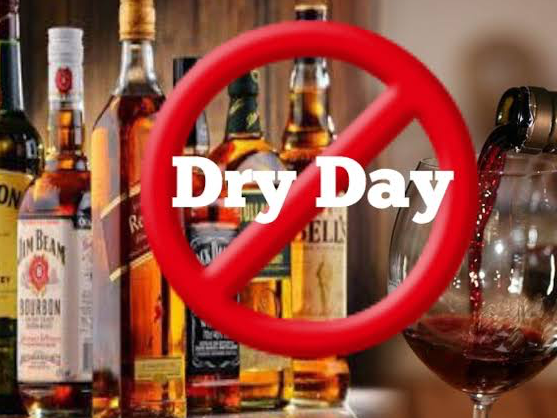
There is also a social aspect to the problem. Excessive alcohol consumption can be linked to family conflicts, violence, problems at work, and financial difficulties. That is why combating the harms of alcohol involves not only medical care but also educational campaigns and public policy.
How Alcohol-Free Day Is Celebrated
There is no single, mandatory way to observe this day. It is not a holiday with a clear set of traditions, like New Year’s or Christmas. Most often, October 2 is used as an opportunity to raise awareness about sobriety, health, and the risks of excessive alcohol consumption.
/pratidin/media/media_files/2026/03/02/hn-2026-03-02-14-32-33.jpeg)
Different countries and organizations may hold lectures, meetings with healthcare professionals, themed discussions, and awareness campaigns. Educational institutions may talk to young people about the consequences of alcohol and safe behavior. Medical facilities and community organizations may distribute materials on addiction prevention and where to get help.
Another simple way to mark this day is to spend it without alcohol. For someone who usually drinks in social settings or on weekends, this can be an opportunity to examine their own habits and reflect on the role alcohol plays in their life. At the same time, Alcohol-Free Day should not turn into a day of judgment against people with addiction. Alcohol addiction is a medical condition, and people facing it need professional help, not criticism. The WHO emphasizes the need for accessible treatment for people with alcohol-use disorders.
Interesting Facts About Alcohol-Free Day
One of the most interesting details is that the history of this day did not begin with a specific international organization, but rather with an initiative from India. In 2008, an Indian delegation proposed designating October 2 to raise awareness about the harms of alcohol.
Another fact is that this proposal was linked to Mahatma Gandhi from the very beginning. His birthday was already an important date in India, which is why he was chosen as the symbol of the sobriety campaign.
WHO documents also show that the idea did not remain merely a statement. Regional representatives discussed the possibility of establishing such a day and broader measures to reduce alcohol-related harm.
It is also interesting to note that in some countries, October 2 was indeed used to conduct awareness campaigns. For example, in WHO documents regarding Moldova, this date was mentioned among the days on which awareness events on tobacco and alcohol were held.
What You Can Do on October 2
An alcohol-free day doesn’t have to be a high-profile event. You can simply spend the day without alcohol, invite friends over for non-alcoholic drinks, or go for a walk, to the movies, or to another alcohol-free gathering. It’s also a good time to talk with loved ones about how alcohol affects daily life. If someone notices that they’re having trouble controlling how much they drink or giving up alcohol, they shouldn’t ignore the problem.

For some, October 2 may simply be a symbolic day of sobriety. For others, it’s an opportunity to break a habit that has long been a hindrance. And for family or friends, it’s a chance to support someone who needs help. The main idea behind this date remains simple: health and safety are more important than the habit of drinking alcohol. The Indian proposal in 2008 was aimed precisely at drawing attention to these issues.
Is October 2 an official WHO holiday?
This question deserves separate clarification, as various statements can be found online. There is no confirmation in available WHO documents that the organization has officially designated October 2 as its international holiday. However, there is a clear document from the 2008 World Health Assembly that records India’s proposal to observe October 2 annually as World No Alcohol Day. Later, the WHO Regional Committee also considered this proposal and noted that it required further discussion.
Therefore, in calendar materials, this date can be referred to as Alcohol-Free Day or World Alcohol-Free Day, but it should not be claimed that it is an official holiday approved by the WHO. This approach more accurately reflects the historical documents.
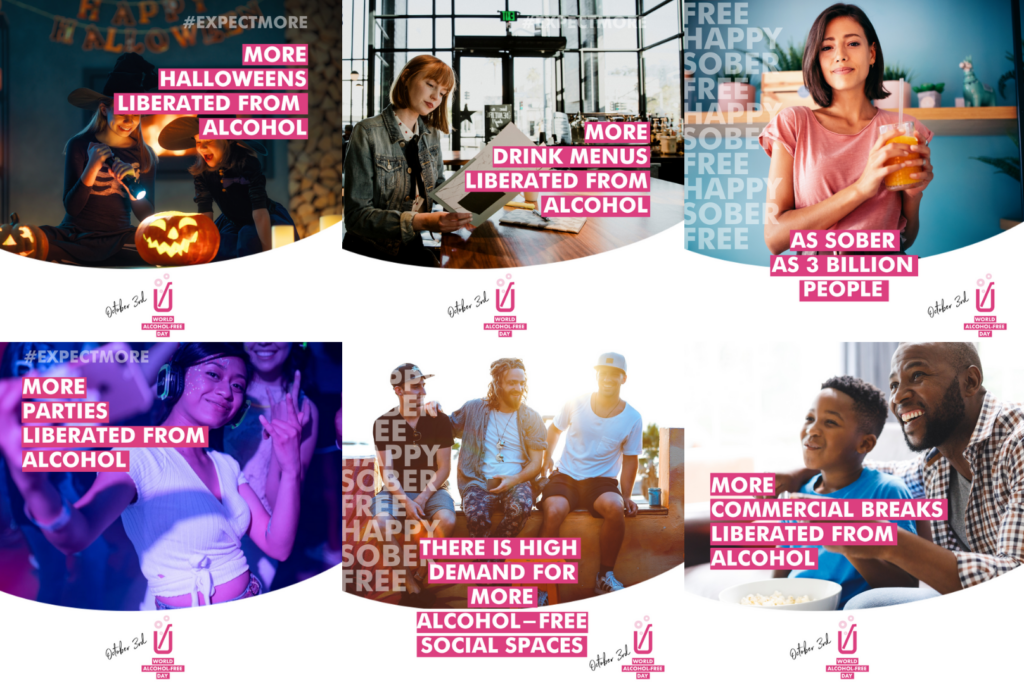
Regarding the mention of John Finch, which is sometimes included in descriptions of this day, no reliable evidence has been found in WHO documents detailing the initiative’s origins. Therefore, it is not appropriate to associate the observance with this individual as its official symbol or founder. The documented history links the date primarily to an initiative from India and the figure of Mahatma Gandhi.




