
June 20 Holiday: Wi-Fi Day Reminds Us How the World Has Changed Thanks to the Internet

Every year on June 20, the world celebrates World Wi-Fi Day. It was established to highlight the importance of wireless internet and draw attention to the issue of digital inequality. Today, Wi-Fi has become an integral part of the lives of billions of people, helping them work, study, communicate, and access information.
On June 20, many countries celebrate World Wi-Fi Day. This unofficial international holiday is dedicated to a technology without which it is difficult to imagine the modern world today. It is Wi-Fi that allows billions of people to use the internet wirelessly—at home, in offices, coffee shops, airports, and even on public transportation.

The main goal of this day is not only to highlight the role of wireless connectivity in everyday life but also to remind us that not everyone on the planet has access to the internet yet. The event’s organizers are calling for the development of digital infrastructure and making the internet more accessible to people in countries around the world.
How World Wi-Fi Day Came to Be
The observance was launched in 2016 at the initiative of the international organization Wireless Broadband Alliance, with support from the Connected Communities Forum. It was created to draw attention to the so-called “digital divide” between countries and regions where internet access is commonplace and places where people still lack connectivity.

June 20 was chosen as the day when companies, telecom operators, governments, and technology organizations can highlight the importance of affordable internet access for everyone. “World Wi-Fi Day is a platform for recognizing the vital role that technology plays in the lives of cities and communities around the world,” notes the Wireless Broadband Alliance.
Why This Day Is Important
Over the past two decades, Wi-Fi has literally transformed people’s lives. It is thanks to wireless internet that we can work remotely, study online, watch movies, communicate with loved ones, and use cloud services.

Wi-Fi played a particularly important role during the COVID-19 pandemic, when millions of people switched to remote work and learning. The technology made it possible to stay connected even while in isolation. In addition, wireless networks are widely used in hospitals, schools, public transportation, “smart home” systems, and even in the operation of modern cities. “Wi-Fi has become a way of life,” say representatives of the tech industry.
How Wi-Fi Technology Came About
The first wireless communication standards appeared as early as the 1990s. And the name “Wi-Fi,” familiar to everyone, began to be used in 1999 following the creation of the Wireless Ethernet Compatibility Alliance, which later became the Wi-Fi Alliance.

Interestingly, Wi-Fi is not an abbreviation for “Wireless Fidelity,” as many people think. In fact, it’s a marketing name that was specifically coined to be easy to remember and associated with the term “Hi-Fi.” The first networks were very slow. Data transfer speeds under the 802.11b standard reached only 11 Mbit/s. Today, however, modern routers support speeds that are hundreds of times faster than those of the first models.
How Wi-Fi Day Is Celebrated
There are no specific traditions associated with this holiday, but various countries host conferences, themed forums, presentations of new technologies, and educational events. Companies showcase new developments, and experts discuss the future of wireless communication.
-2.png)
On social media, users share stories about how the internet has changed their lives. Some internet service providers and carriers organize promotions or set up free Wi-Fi hotspots. For many, this day is an opportunity to reflect on just how much technology has impacted daily life and to thank the people who were at the forefront of wireless technology’s development.
Interesting Facts About Wi-Fi
Billions of people around the world use Wi-Fi today. Over the years, tens of billions of devices supporting this technology have been released. The first mass-market Wi-Fi devices appeared in late 1999. Apple was one of the companies that helped popularize the technology.
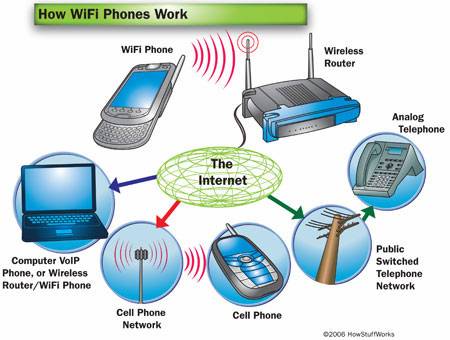
Modern Wi-Fi is used not only in smartphones and laptops. TVs, refrigerators, security cameras, robot vacuums, cars, and even household appliances connect to the network. When coming up with the name “Wi-Fi,” the developers wanted to come up with something simple and short, since the technical name IEEE 802.11 was too complicated for ordinary users. Today, Wi-Fi is at the heart of the “smart cities” concept and is also used in medicine, industry, transportation, and education.
Traditions of the Holiday
World Wi-Fi Day does not have long-standing traditions, as it is a relatively new holiday. Its main purpose is to promote modern technologies and ensure equal access to information.On this day, people often reflect on how, just 20–30 years ago, they had to use cables and modems to access the internet, whereas today wireless connectivity has become so commonplace that many people don’t even stop to think about how much it has changed the world.

“The goal of World Wi-Fi Day is to help connect those who still lack access to the internet,” emphasize the initiative’s organizers. For millions of people, June 20 is an opportunity to reflect on a technology that, over the course of a few decades, has become as essential as electricity or mobile communications—and without which it is now difficult to imagine modern life.


