
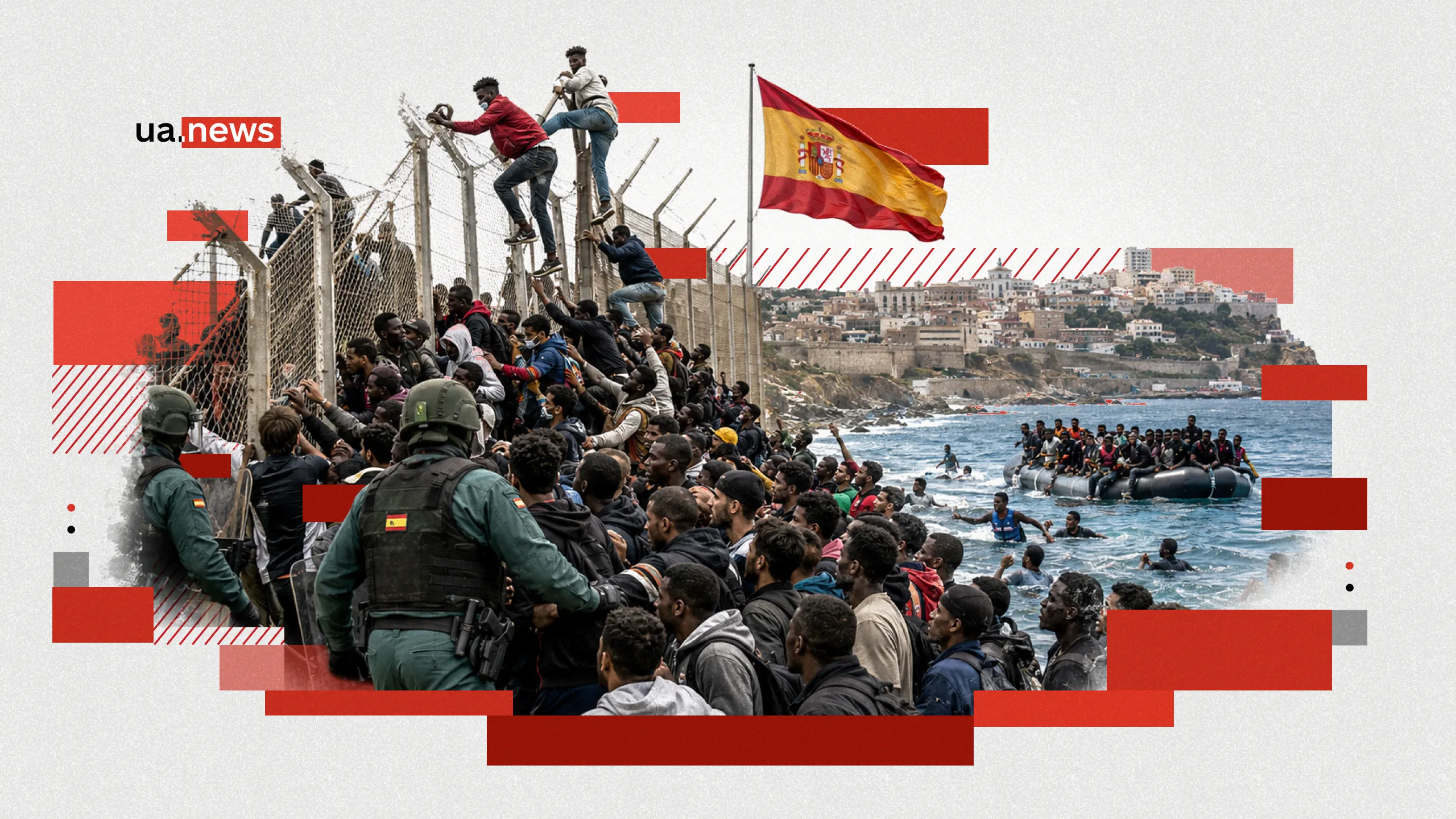
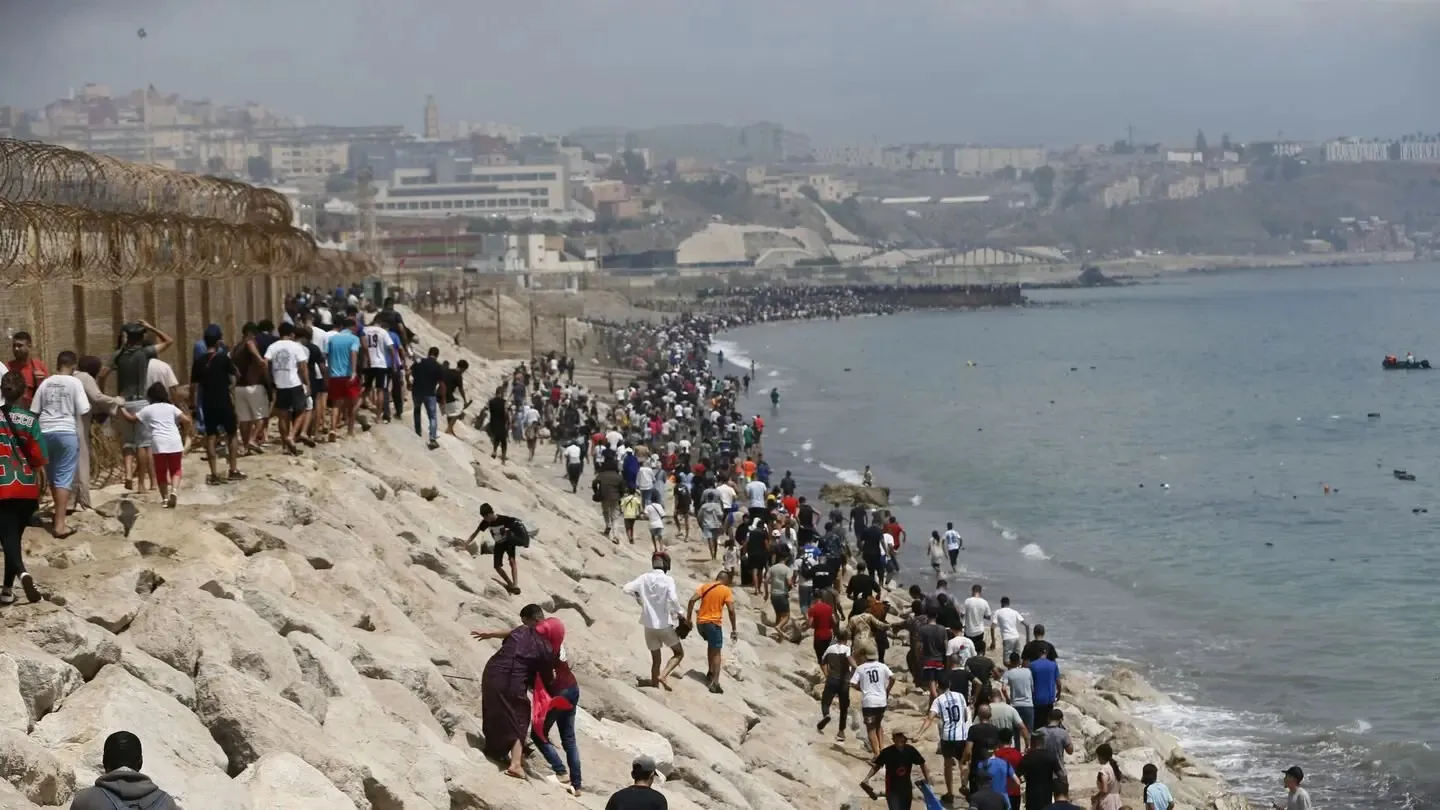
Just a few days ago, Ceuta was one of many trouble spots on Europe’s migration map. Now this small Spanish enclave in North Africa has found itself at the center of a new, large-scale crisis. Thousands of people have gathered near the border with Morocco, trying by any means possible to enter Spanish territory—by scaling border fences, taking mountain routes, or simply swimming across the sea.
The situation reached a critical point on July 30. Large groups of migrants simultaneously surged toward the border; Moroccan security forces used water cannons and tear gas; and Spain began urgently reinforcing Ceuta with additional police and military personnel. Some people still managed to break through into Spanish territory, after which the reception system—already overburdened—effectively reached the limits of its capacity.
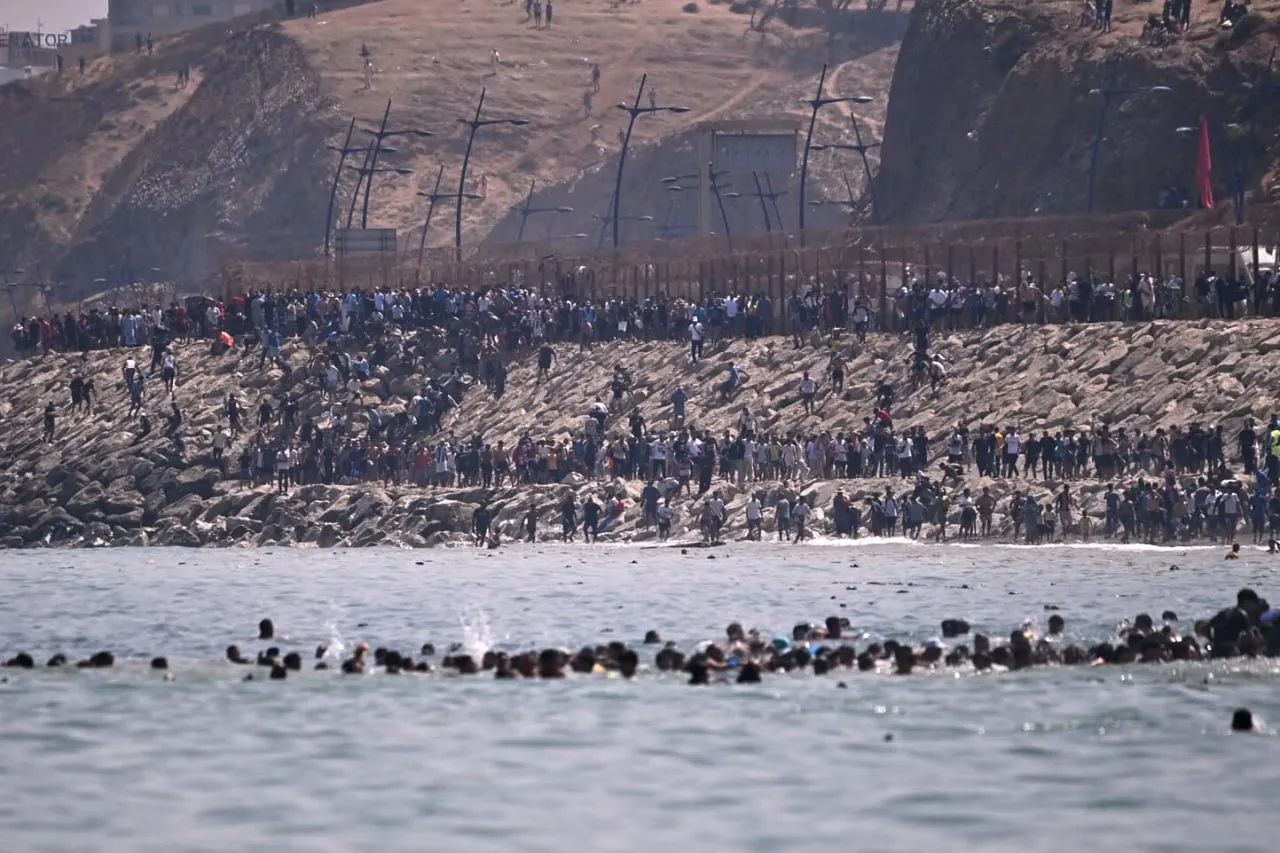
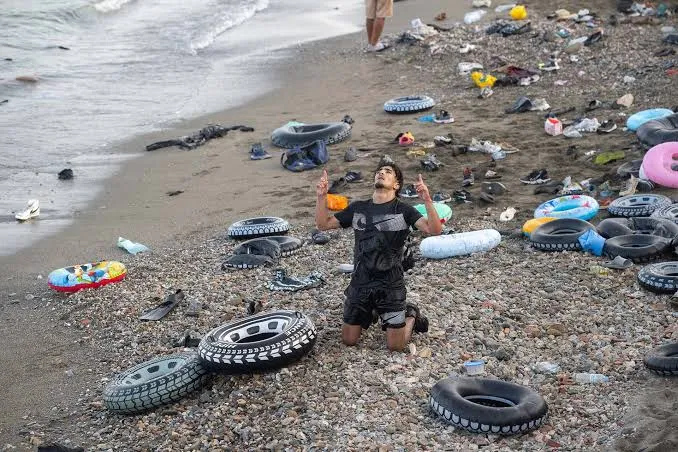
But the most dramatic footage came not from the border itself, but from the sea. Dozens of people attempted to swim around the border barriers near Tarajal, using inflatable rings and other makeshift flotation devices. Not everyone made it to shore: there have already been reports of fatalities during this latest wave, and the bodies of migrants have been found off the coast of Ceuta over the past few weeks as well.
UA.News reports on what actually happened at the Ceuta border, where the thousands of migrants came from, why they are willing to risk their lives to get to Spain, how local residents and authorities are responding to the crisis, and what Madrid plans to do next.
What Happened in Ceuta on July 30
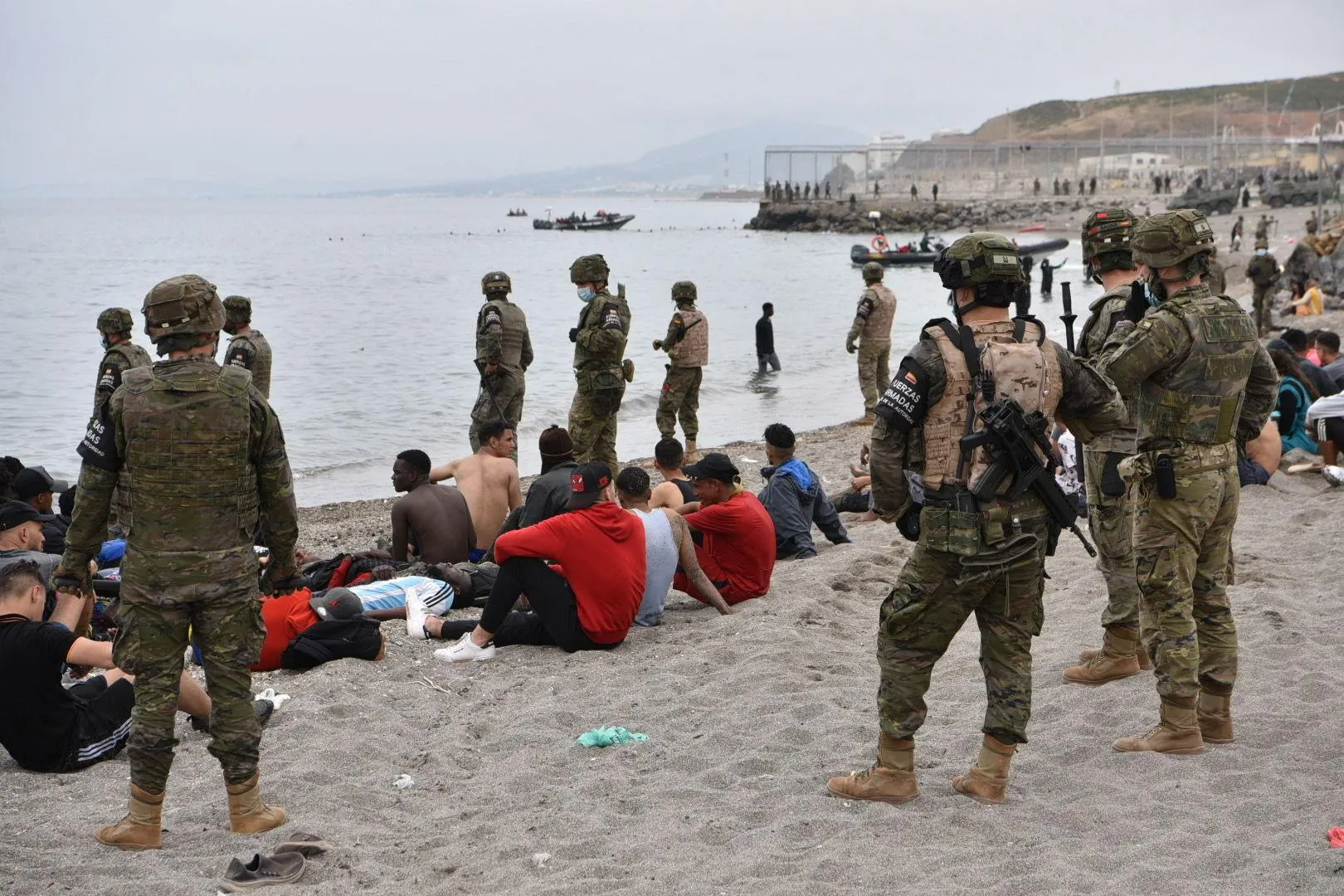
Ceuta is a unique spot on the map of Europe. Geographically, the city is located in North Africa, but politically it belongs to Spain. Together with Melilla, it forms the European Union’s only land border with Africa.
That is why, for decades, Ceuta has remained one of the main routes for people trying to enter the EU from Africa.
On Thursday, July 30, the flow of people increased sharply. People gathered on the Moroccan side near the town of Fnideq and then set off in groups toward the border.
When it became impossible to cross directly through the border checkpoints, some of the migrants began bypassing the barriers by sea near Tarajal Beach.
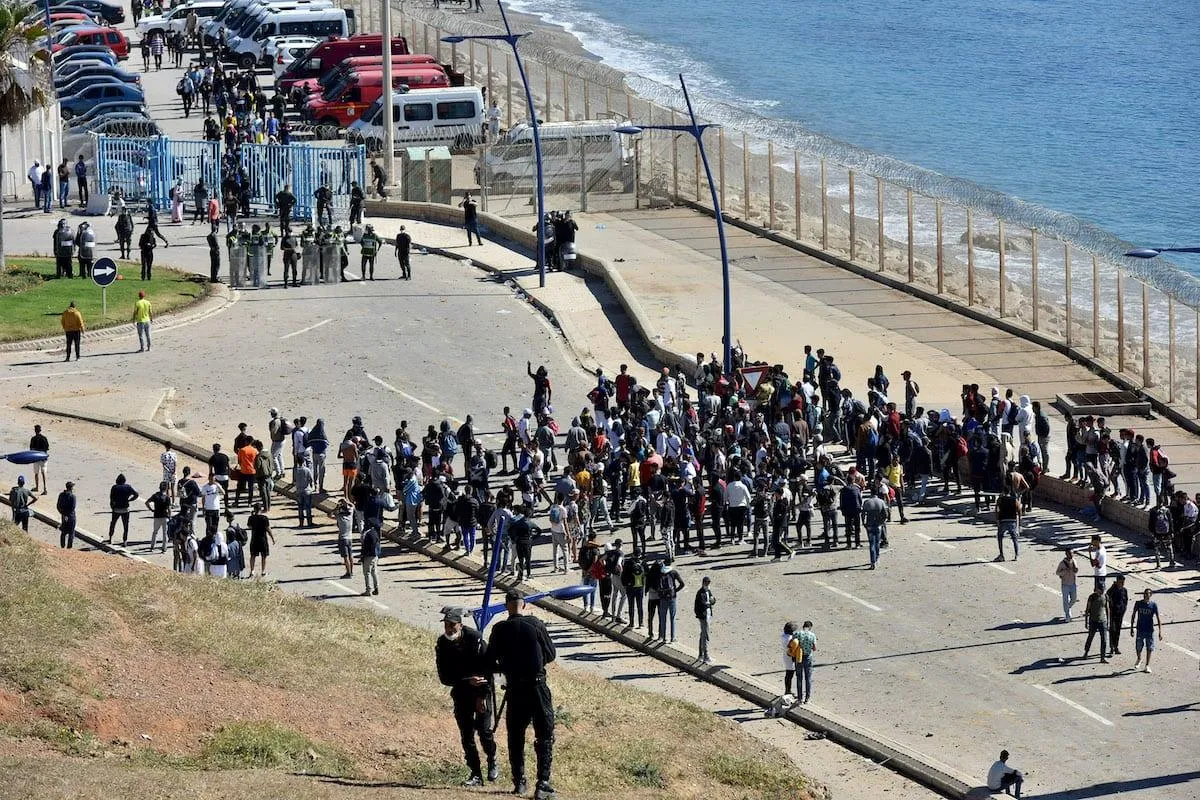
Reuters reports that among those attempting to reach Ceuta were not only young men but also women, children, and entire families. Some people made their way to the border zone via mountain trails, bypassing Moroccan checkpoints.
Video footage from the scene shows people in the water, large groups on the beach, and security forces attempting to prevent people from crossing the border.
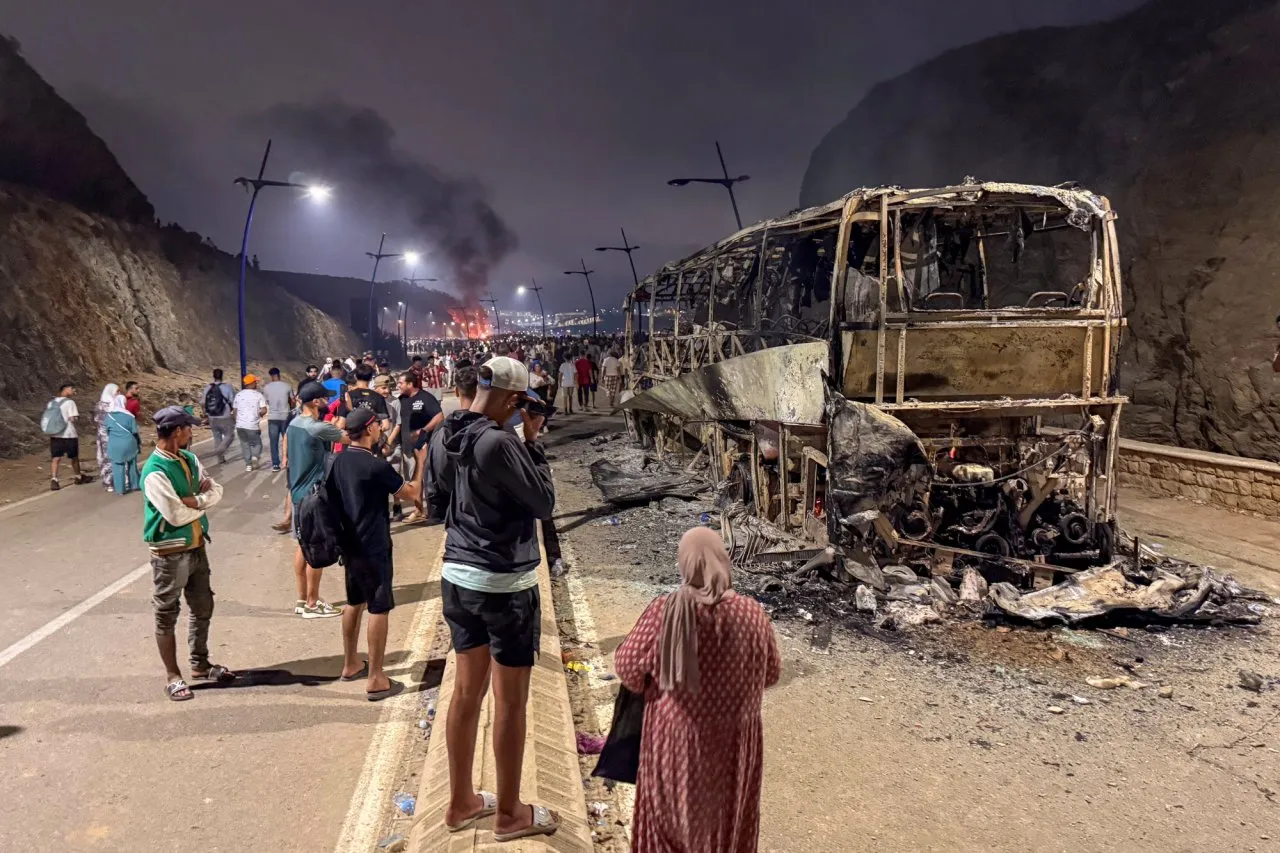
Moroccan authorities used water cannons and tear gas. The Spanish news agency EFE reported that these measures were used directly at the Ceuta border to disperse groups attempting to enter Spanish territory.
At one point, the situation escalated into clashes.
How many people drowned while trying to reach Spain
The sea route around Ceuta’s border fortifications has long been considered extremely dangerous.
People often set out to sea at night, trying to avoid patrols. Some use wetsuits, inflatable rings, or makeshift flotation devices, but the currents and waves in the strait remain a serious threat.
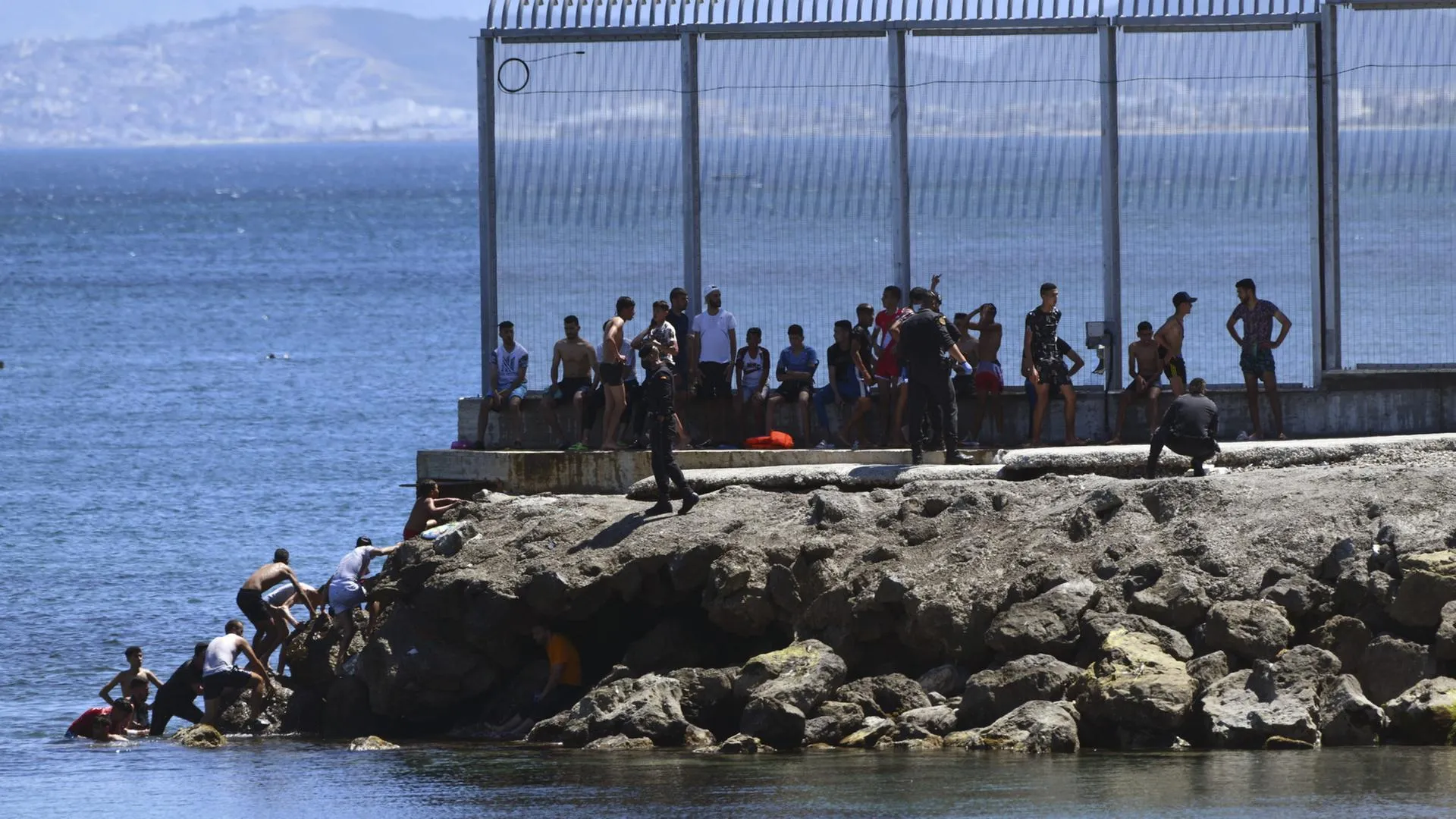
During the current crisis, the situation has been further complicated by the huge number of people who found themselves near the water and border infrastructure at virtually the same time.
According to the latest information from the Associated Press, the death toll from the mass crossing has reached at least 18 people. The causes of death are reported to be drowning and stampedes.
However, migrants had been dying near Ceuta long before the events of July 30.
As early as May 11, Europa Press reported that since the beginning of 2026, the bodies of 18 people had already been found on the coast of Ceuta, who were likely attempting to reach the city by sea. By comparison, a record 46 deaths were recorded there throughout all of 2025.
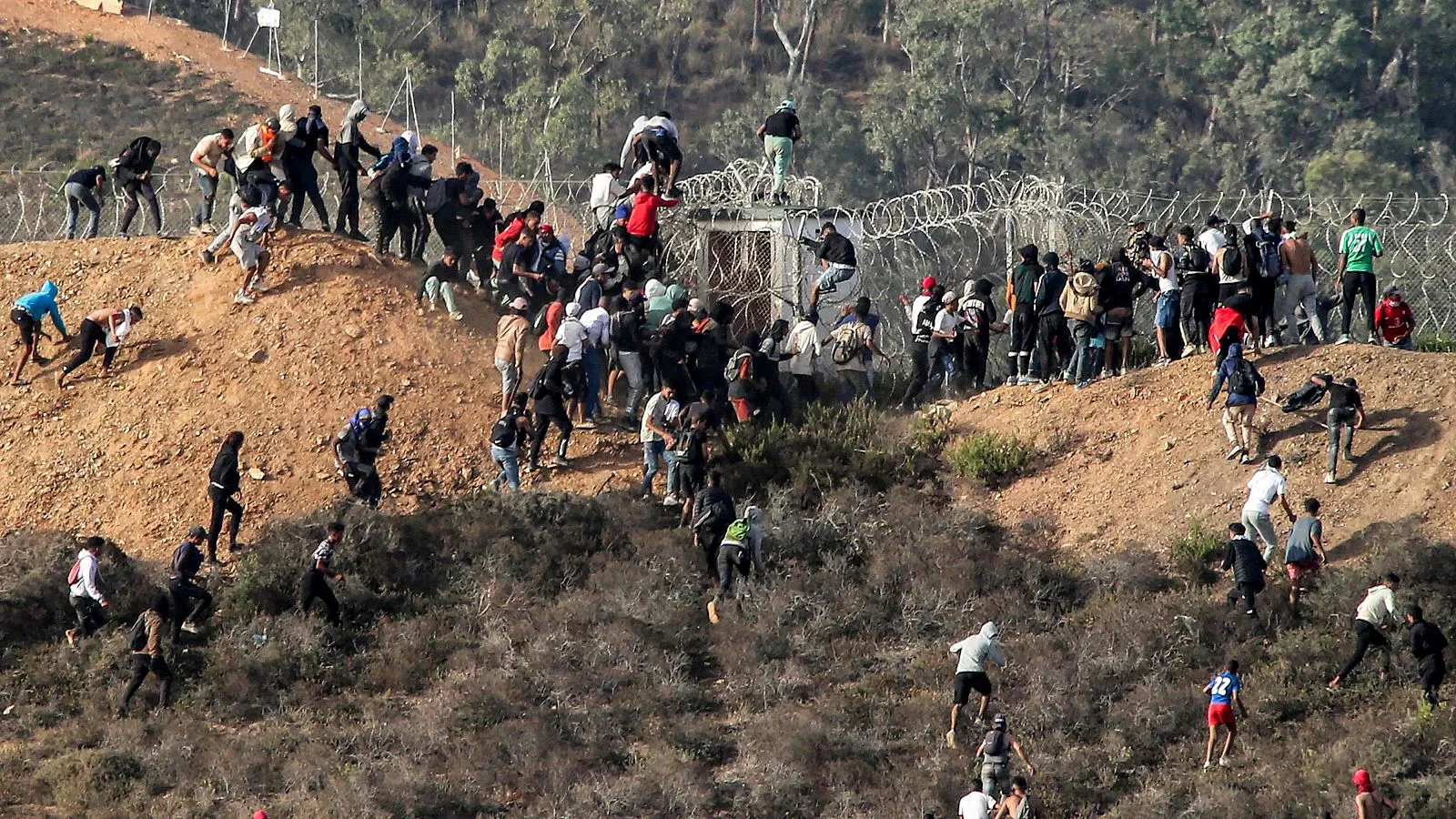
At the end of July, the situation deteriorated sharply. On July 26 alone, the Guardia Civil recovered bodies from the waters near the city within a matter of hours.
Thus, the tragedy of the current surge is part of a much larger process.
Why the flow of undocumented migrants surged in 2026
The mass arrival of people on July 30 may give the impression that the wave of migration arose suddenly. In reality, the statistics show the opposite.
According to data from the Spanish Ministry of the Interior, 2,582 people entered Ceuta irregularly during the first half of 2026.
During the same period in 2025, the number was 978. Thus, the increase amounted to approximately 164%.

As of mid-July, the trend continued: the number of crossings at Ceuta’s land border was approximately 149% higher than a year earlier.
The influx increased particularly sharply toward the end of the month. The president of the autonomous city, Juan Jesús Vivas, reported that in just about a week, approximately 1,500 people had entered Ceuta. For a city with a population of about 80,000, this is an enormous burden over such a short period.
Why Thousands of Migrants Headed to Ceuta Right Now
There is currently no single confirmed reason that would explain why thousands of people decided to cross the border at the same time on July 30.
And this is a fundamentally important point. Among the factors being discussed in Spain is a change in legal practice regarding the immediate return of people intercepted during sea crossings.
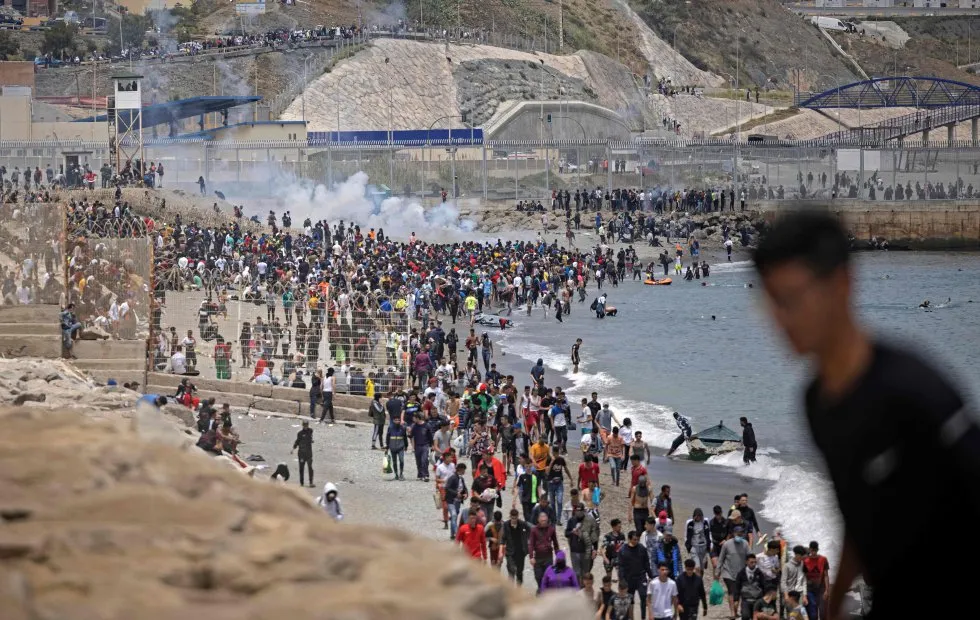
Local authorities in Ceuta have directly linked the increase in the number of attempts to judicial restrictions on so-called “devoluciones en caliente”—the immediate return of migrants without undergoing a full individual procedure.
However, local activists doubt that thousands of potential migrants could have been so well-informed about the details of Spanish court rulings that these alone would have been the direct cause of the mass movement.
It is far more likely that a combination of factors was at play: the accumulation of large numbers of people near the border, reports of other migrants successfully crossing, activity on social media, the work of illegal smugglers, and the expectation that once on Spanish territory, a person could no longer be automatically returned to Morocco.
Why are migrants trying to reach Ceuta, and where are they headed next?
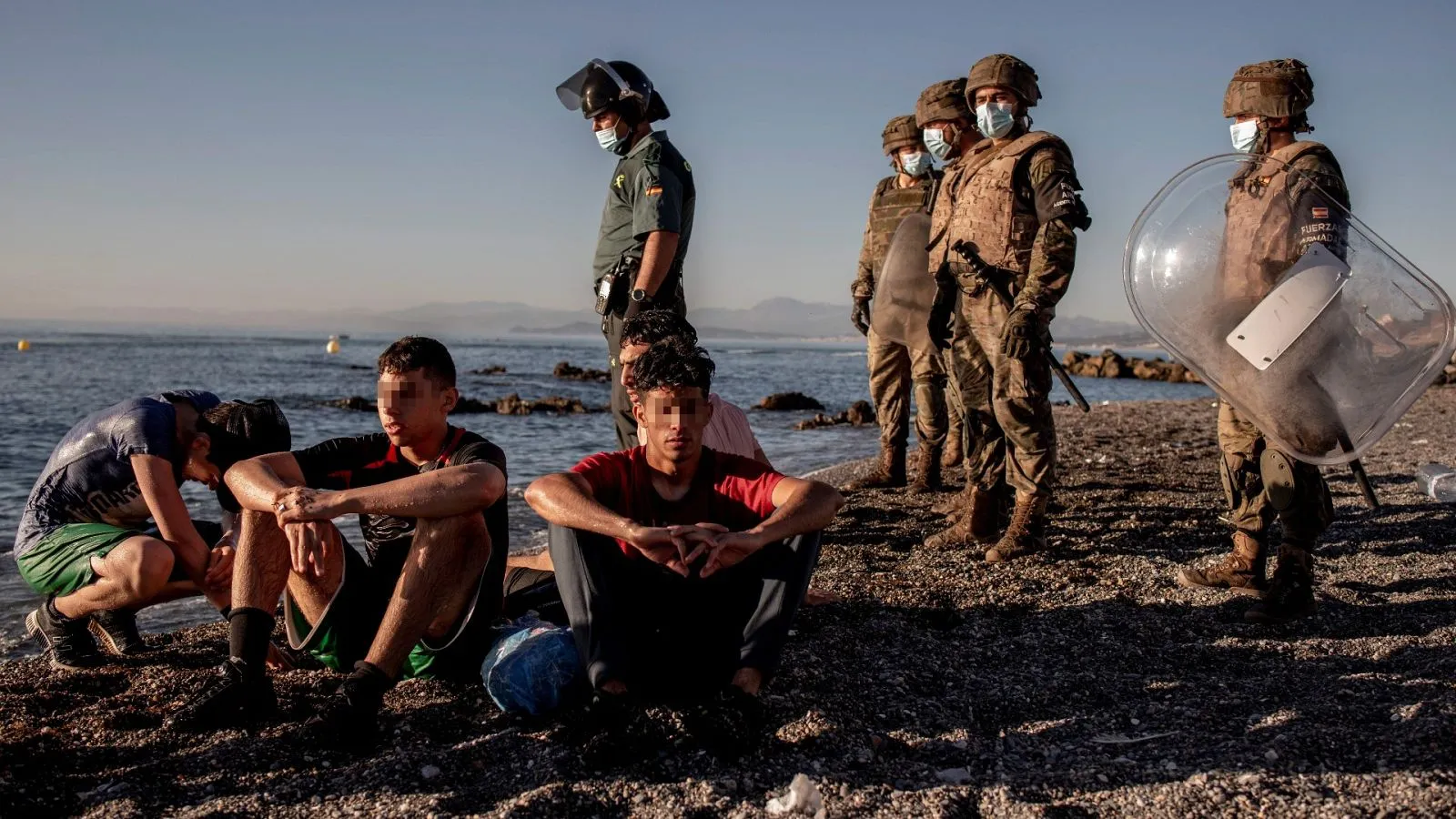
For most migrants, reaching Ceuta means, first and foremost, finding themselves within the Spanish and European legal systems.
In other words, the main goal for a significant number of people is not to stay in this small enclave, but to eventually reach mainland Spain or travel on to other EU countries.
This is also confirmed by previous court rulings.
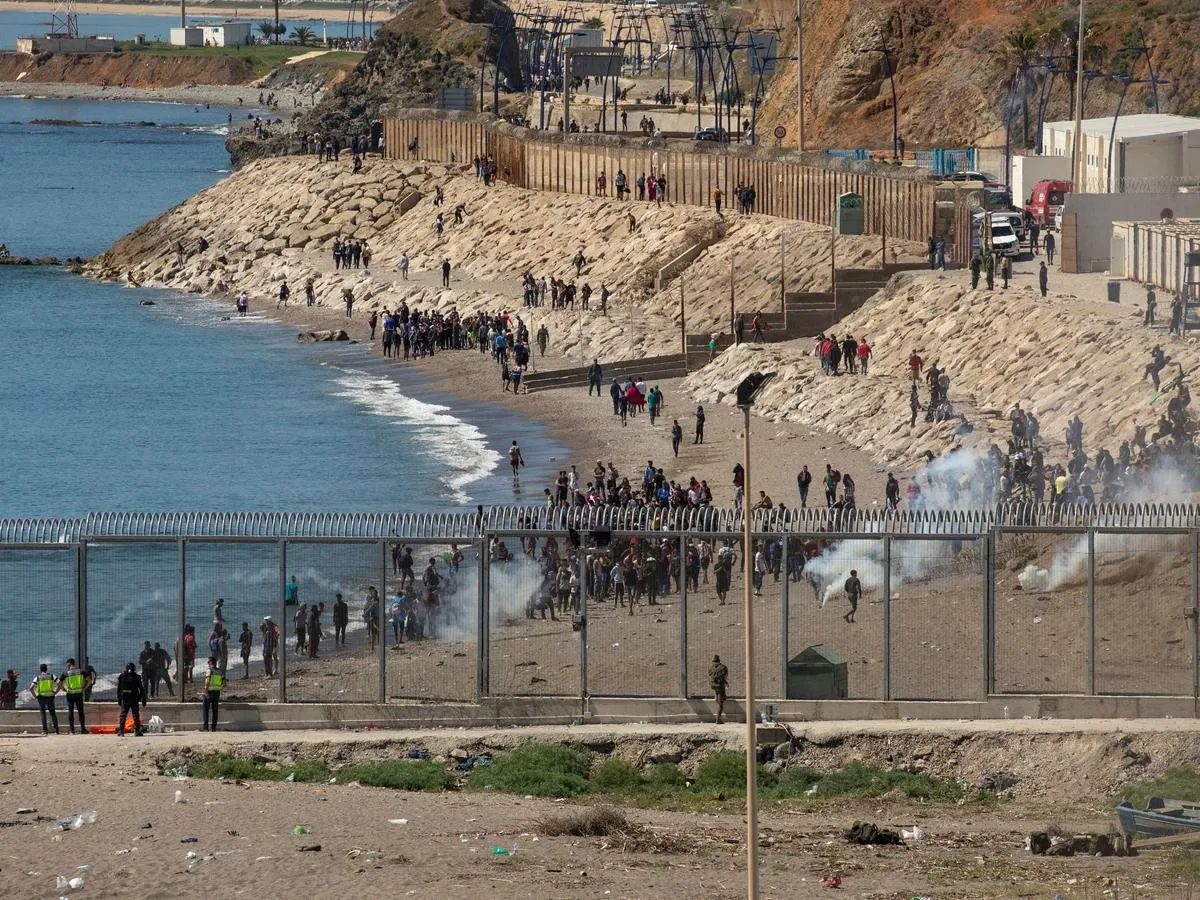
Back in 2020, the Spanish Supreme Court ruled that people whose asylum applications in Ceuta or Melilla had been accepted for consideration have the right to move freely within Spanish territory. The court ruled that restricting their stay exclusively to the enclaves was unlawful.
Therefore, Ceuta effectively serves as a gateway to Spain.
Ceuta Is Overwhelmed by Migrants
For Ceuta, the problem is not limited to border security. The city physically lacks the infrastructure needed to accommodate thousands of new people within a few days.
The situation is particularly critical for unaccompanied minors. As of July 14, there were 210 such children and adolescents in Ceuta’s foster care system. By July 28, that number had risen to 472.
In other words, 262 minors were added in just two weeks.

Local authorities stated that the system for housing them was overloaded by approximately 16 times its normal capacity.
After the events of July 30, the problem became even more severe: some of the new arrivals were left without proper housing, sleeping outdoors and living on the city streets.
That is why the authorities in Ceuta are now speaking not just of a migration crisis, but also of a humanitarian, social, and security crisis.
How Ceuta’s residents and politicians are reacting to the situation
For the city, the massive influx of people came as a serious shock. Some local businesses near the most troubled areas temporarily closed due to security concerns. City authorities demanded that Madrid immediately bring the situation under control.
Moreover, this time the position of local political forces proved to be exceptionally unified.
Representatives of various parties called for a reinforcement of state security forces, the deployment of the army, and additional border control measures.
Ceuta President Juan Jesús Vivas asked the central government to treat the situation as a nationwide emergency and to establish a unified crisis management system.

He warned that if the rate of several hundred new arrivals per day continues, the local system simply won’t be able to handle them.
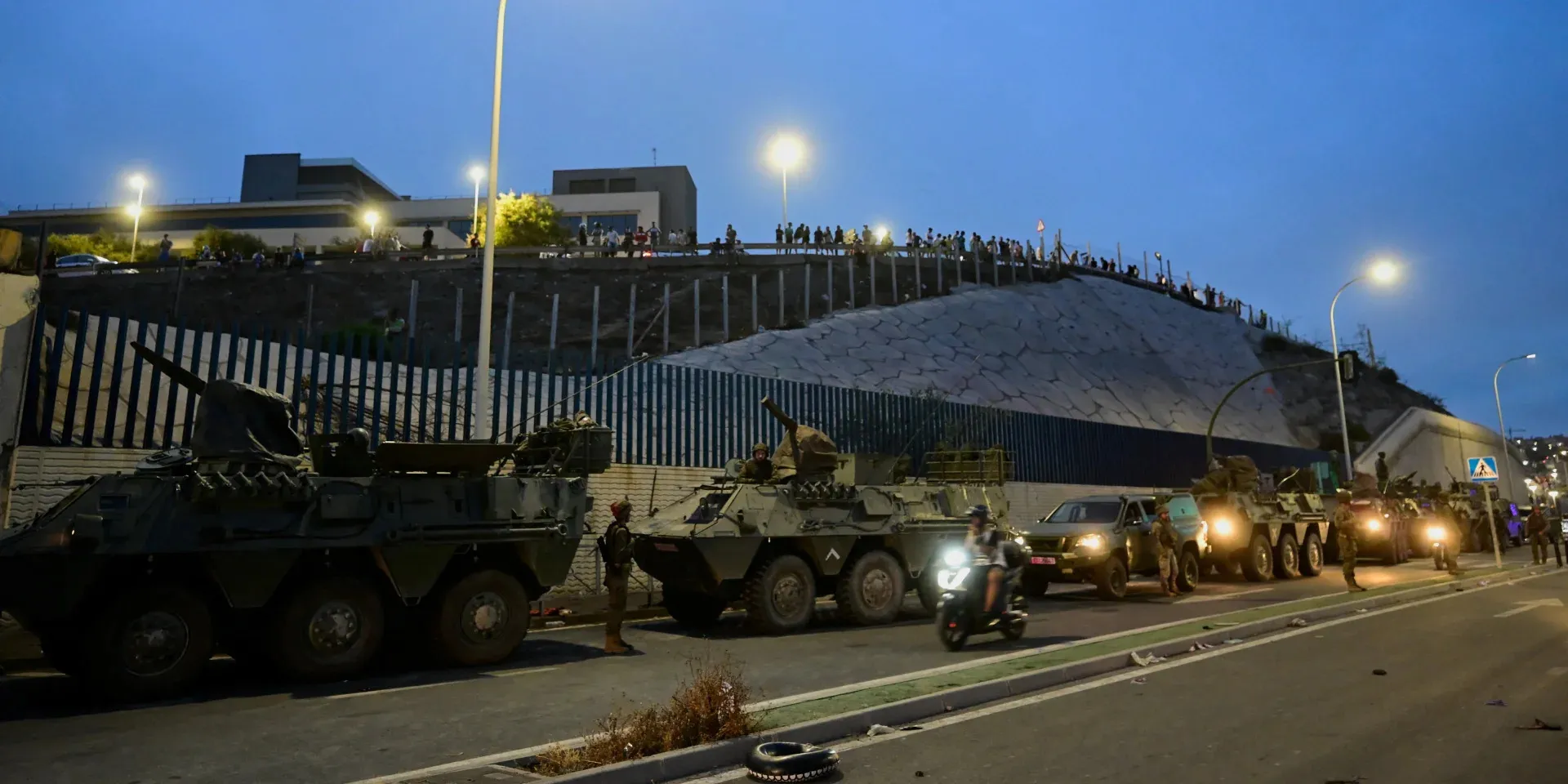
Spain Deployed Troops to Ceuta Due to the Migration Crisis
Madrid ultimately agreed to significantly reinforce security measures. The government deployed military personnel to assist the Guardia Civil in securing the border and maintaining public safety.
At the same time, Spain continues to coordinate its actions with Morocco, since without control from the Moroccan side, it is extremely difficult to effectively stem the flow into Ceuta.
The European agency Frontex is already operating in Spain and has personnel stationed at the port of Ceuta. Operation Minerva is underway there this summer, aimed at controlling the EU’s external border, verifying documents, and combating cross-border crime.
Why Spain Cannot Simply Deport All Undocumented Migrants from Ceuta
From a political standpoint, the simplest solution sounds like this: people crossed the border illegally—they must be sent back immediately. Legally, however, the situation is much more complicated.
Spanish authorities must take into account the right to seek international protection, the status of minors, the risk of persecution, and a number of other individual circumstances. The rules are particularly strict when it comes to children.
Following the 2021 migration crisis, Spanish authorities attempted to mass-deport minors to Morocco. The Supreme Court later ruled these actions unlawful due to failure to follow the individual procedures required by law.
In 2025, this story took an even more serious turn: a former representative of the Spanish government in Ceuta and a former vice president of the local government were sentenced to a nine-year ban on holding public office due to the illegal return of minors in 2021.
Therefore, any decision to carry out mass returns poses significant legal risks for the authorities.
What Spain will do with migrants who have already made it into Ceuta
The main task in the coming days will be to relieve the pressure on the enclave itself.
Spain already has a mechanism in place to transfer minors from areas with the highest migration pressure—the Canary Islands, Ceuta, and Melilla—to other autonomous regions of the country.
As of January 2026, more than 800 children and adolescents had already been relocated in this manner.
In July, the government additionally approved the allocation of 35 million euros among the autonomous regions for the reception of migrant minors. Ceuta was to receive 5.5 million euros—one of the largest amounts among all regions.
However, following the events of July 30, the previously planned resources may prove insufficient.
How the Crisis in Ceuta Has Escalated the Debate Over Migrants
The events in Ceuta are unfolding at a time when Pedro Sánchez’s government is pursuing one of the most liberal migration policies among major EU countries.
In late June, Sánchez presented a new Plan de Integración y Ciudadanía, which is allocated 500 million euros for its first year alone.
The plan includes the legalization of some migrants, the creation of new legal pathways for labor migration, vocational training, and integration programs.
Sánchez justifies this policy by citing Spain’s demographic and economic needs and states that migration must be managed “fairly, orderly, and sensibly.”
Right-wing parties, on the other hand, argue that large-scale legalization programs could create an additional incentive for illegal entry. Following the events in Ceuta, this debate is only set to intensify.
The 2021 Ceuta Crisis: How Thousands of Migrants Previously Breached the Spanish Border
For Spain, the current events are particularly alarming because Ceuta has already experienced an almost identical scenario. In May 2021, about 8,000 people entered the city in two days, a significant portion of whom were minors.
At the time, the situation had clear political undertones. The crisis occurred against the backdrop of a conflict between Madrid and Rabat after Spain allowed Polisario Front leader Brahim Ghali to receive medical treatment on its territory.
Many in Spain viewed Morocco’s relaxation of border controls as a tool of political pressure by Rabat. Relations between the countries later improved, particularly after Madrid changed its position on Western Sahara.
That is precisely why every new wave of crossings into Ceuta inevitably raises the question: is this merely a migration crisis, or is it also a political signal from Morocco?
So far, there is no evidence that Rabat deliberately orchestrated the current influx. On the contrary, this time Moroccan security forces actively tried to stop people.
What the Crisis in Ceuta Means for Spain’s and the European Union’s Migration Policy
The current crisis highlights a paradox that the European Union has been facing for many years.
To physically reach the EU from Africa in the Ceuta area, one sometimes needs to cross only a few hundred meters. But once a person is on European territory, entirely different legal mechanisms come into play—the right to asylum, the prohibition on collective expulsion, the protection of children, and the requirement for individual case review.
This route can only be completely closed off through extremely strict physical border controls and ongoing cooperation with Morocco. But even that does not address the root cause of migration.
As long as the gap in living standards, security, and economic prospects between Europe and much of Africa remains vast, people will continue to seek ways to reach European territory.
The events of July 30 merely brought this problem into sharp relief in the most dramatic way: thousands of people gathered along a few-hundred-meter stretch of the border, overcrowded reception centers, soldiers on the streets, and dozens of deaths at sea.
Madrid now faces three challenges at once: to regain control of the border, to prevent a humanitarian catastrophe within Ceuta, and to find a way to act so that stricter measures do not conflict with Spanish and European law.


