
Gas prices in the EU have fallen below 40 euros per megawatt-hour
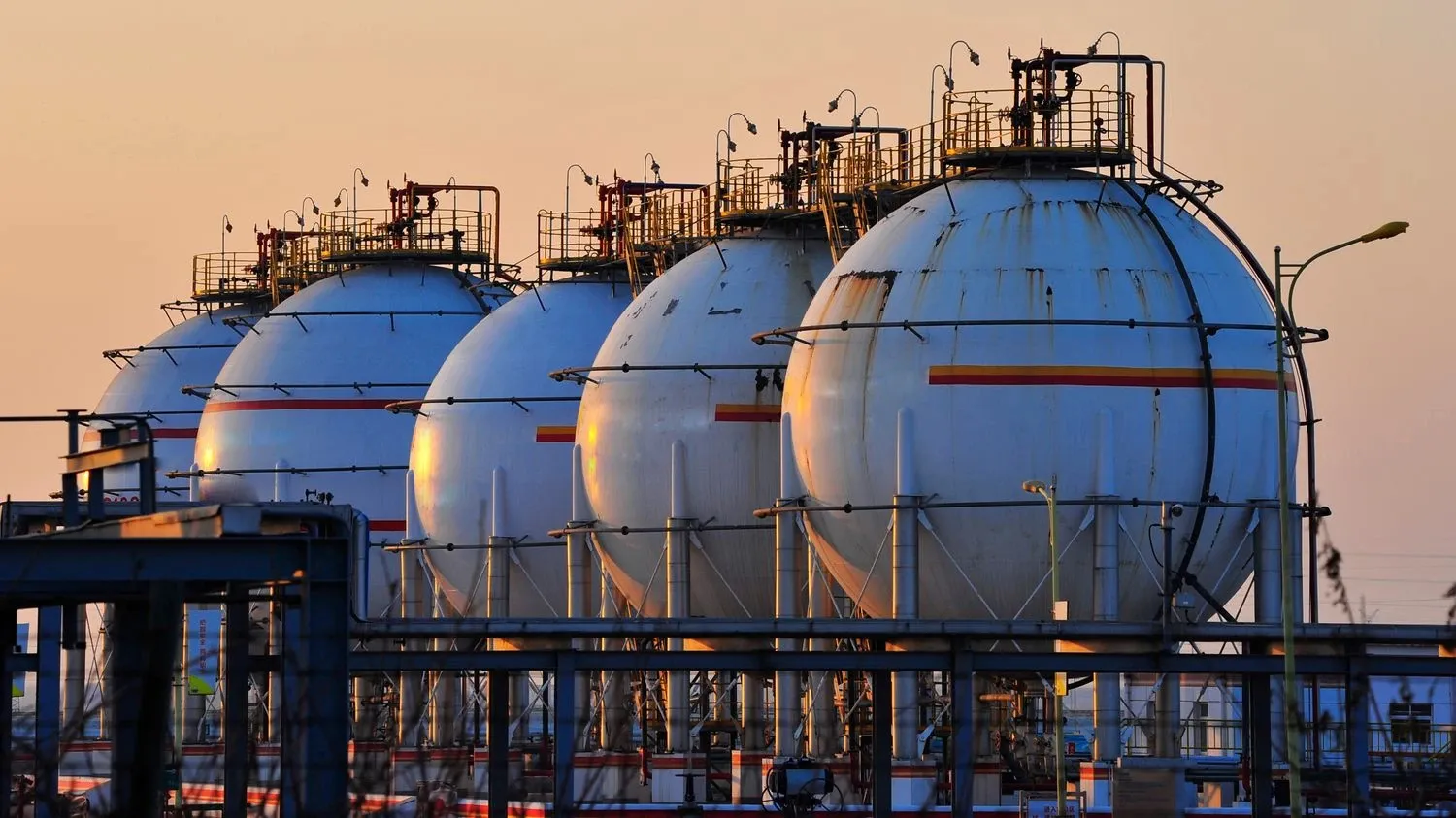
Natural gas prices in Europe have plummeted: prices on the TTF hub fell below 40 euros per megawatt-hour following news of the reopening of the Strait of Hormuz and indications of possible progress in negotiations between the parties. The market reacted with a drop of approximately 8–9%, although the situation remains unstable due to uncertainty regarding the actual resumption of energy supplies. This is reported by the industry publication ExPro.
Natural gas futures prices in Europe plummeted in the second half of Friday, April 17, when prices on the Dutch TTF hub fell below the psychological threshold of 40 euros per megawatt-hour, marking the lowest level in over a month.
Noting that the lowest value was recorded at 38.43 euros per megawatt-hour, after which the market partially rebounded and stabilized around 39.1 euros, which still represents a significant daily drop.
Overall, the European gas market fell by approximately 7.8–9% over the course of the day, and when converted to the U.S. equivalent, the price stands at around $490 per thousand cubic meters, reflecting traders’ swift reaction to geopolitical signals.
The price drop occurred immediately after the Iranian Foreign Minister’s statement regarding the opening of the Strait of Hormuz, following ceasefire agreements between Israel and Lebanon, which the market perceived as a potential step toward de-escalation.
At the same time, the situation remains ambiguous: despite the statements, no LNG tanker has yet passed through the Strait of Hormuz, and U.S. President Donald Trump announced the extension of U.S. sanctions, which maintains the risk of new volatility in energy markets.
Analysts also note that due to falling prices in Europe, gas at European hubs is currently about €7 per megawatt-hour cheaper than on the Ukrainian market, which could affect future trade flows.
As ExPro notes, “the decline in gas prices in Europe could lead to the resumption of commercial natural gas imports to Ukraine as early as May,” if the market trend persists.
Additionally, the United Kingdom and France plan to lead a multinational defense mission to protect shipping in the Strait of Hormuz, which is set to begin once conditions in the region stabilize.
The U.S. and Iran are negotiating a potential deal that would involve exchanging enriched uranium for the unfreezing of approximately $20 billion in Iranian assets.


