
Tshisekedi asks for review of referendum law in the DRC
On August 10, President of the Democratic Republic of the Congo Félix Tshisekedi asked the leaders of the National Assembly and the Senate to reconsider the law on the conditions for holding a referendum, taking into account the Constitutional Court's observations. The National Assembly said it would put the issue on its September session agenda, Al Jazeera English reports.
In June, parliament approved a law providing for the convening of a constituent assembly and the holding of a referendum in the event of what the document calls a “significant dysfunction” of state institutions. In July, the Constitutional Court found the law constitutional while expressing reservations about some of its provisions.
Opposition concerns
Under the current constitution, the president of the DRC is elected for five years and may be re-elected once. The number and duration of presidential terms are protected from constitutional revision. Under the current rules, Tshisekedi's mandate is due to end in 2028.
In May, Tshisekedi said he was not seeking a third term but would agree to remain in office if the Congolese people wanted it. His camp describes constitutional reform as a need for institutional changes. At the same time, opponents fear that this mechanism could be used to change the rules of presidential succession and provisions that currently prevent Tshisekedi from running for a third term.
More current news is available on the UA.News Telegram channel Telegram.
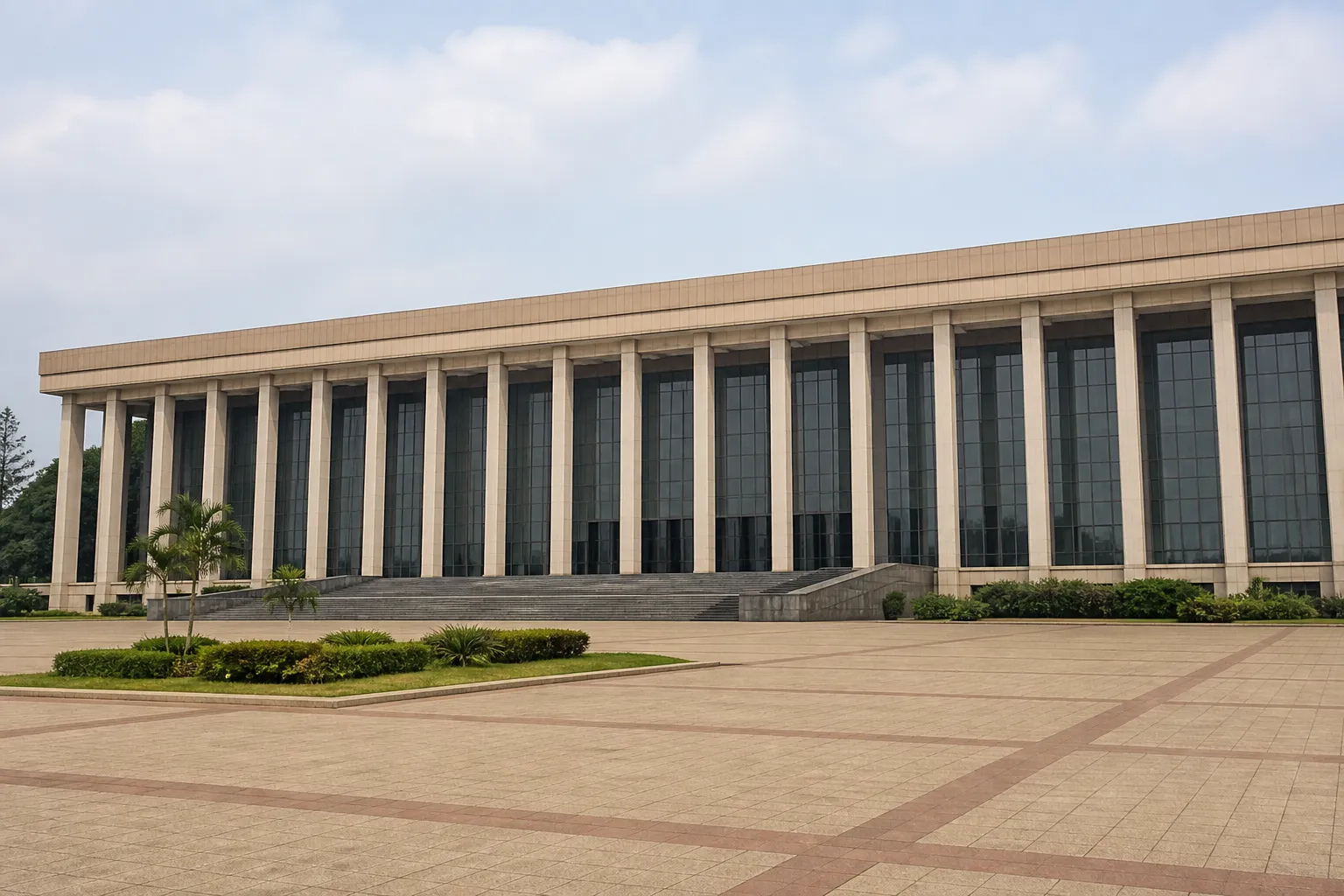
The C64 coalition, named after Article 64 of the constitution, which calls on citizens to resist the seizure of power in violation of the constitutional order, opposes the process. The coalition announced nationwide mobilization for September 15. Participants in demonstrations in Kinshasa plan to gather near the Palace of the People, where parliament meets. Thousands of people also protested on July 28 in Goma and Bukavu.
Dispute against the backdrop of war
The constitutional confrontation is taking place simultaneously with the armed conflict in the east of the country. The M23 movement operates as part of the broader political-military coalition Alliance Fleuve Congo and controls Goma and Bukavu, the administrative centers of North and South Kivu provinces. The DRC government accuses Rwanda of supporting M23, while Kigali denies this.
Tshisekedi warned that holding the 2028 elections could be impossible if hostilities continue, as part of the country remains outside government control. Amid the tensions, the president also proposed an inclusive national dialogue involving political parties, civil society, and religious groups. The date and format of the dialogue have not yet been announced.


