
In Nigeria, INEC Chair Amupitan warns of consequences for violations in the 2027 elections
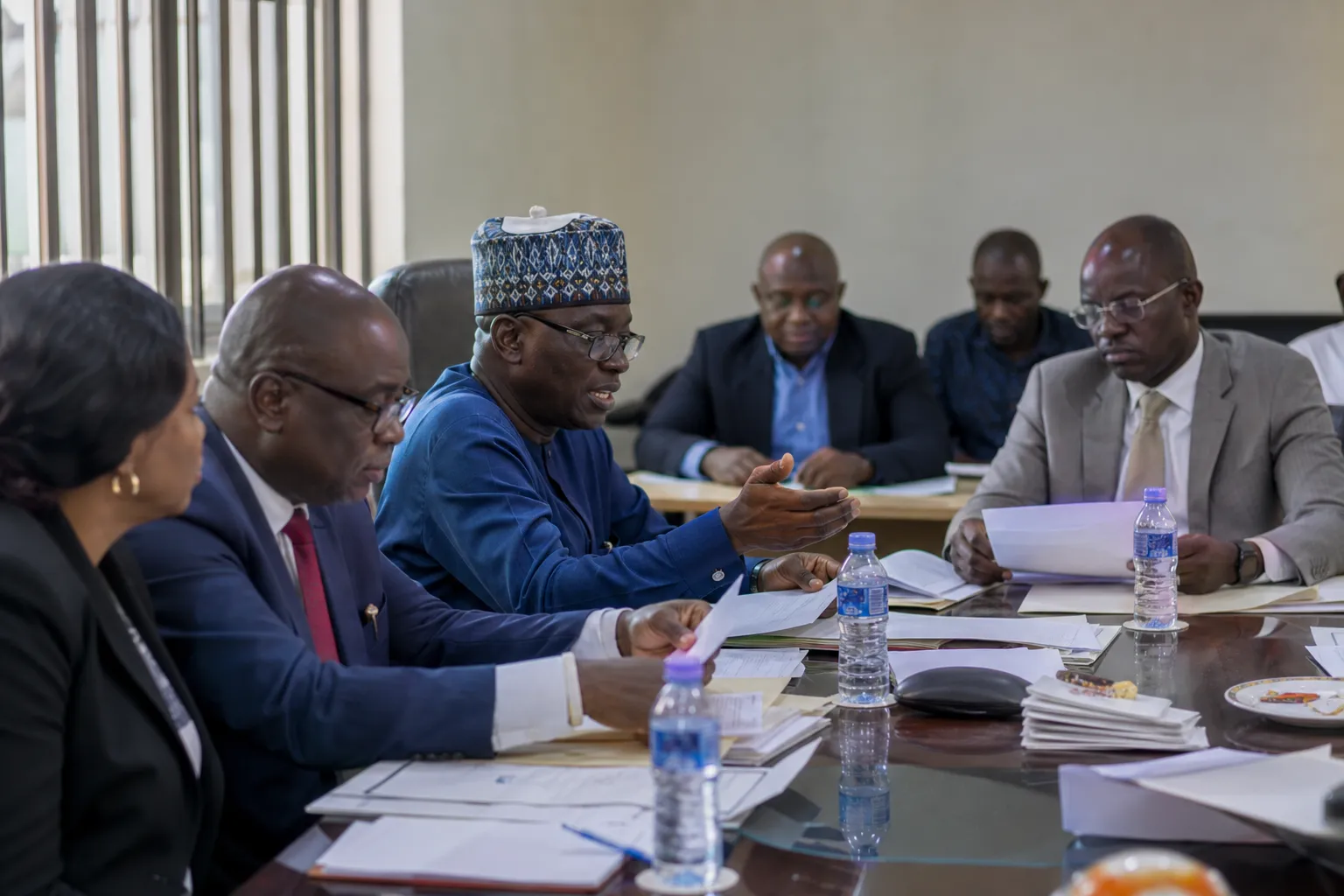
Chairman of Nigeria’s Independent National Electoral Commission (INEC), Joash Amupitan, called on electoral officials in Lagos to act impartially during the 2027 general elections and warned of consequences for official misconduct. This was reported by Premium Times Nigeria.
At a meeting with staff from the country’s south-west zone dedicated to assessing readiness for the vote, Amupitan said the commission would not tolerate political bias, administrative negligence or ethical violations. According to him, staff must be guided by the law and the commission’s current guidelines, while issues arising during election administration should be reported through official institutional channels.
Voting dates
INEC plans to hold elections for president and the National Assembly on 16 January 2027. Elections for state governors and members of state legislative assemblies are scheduled for 6 February. The commission’s chairman stressed that trust in the electoral process would depend not only on legislation, technology or INEC’s independence, but also on how conscientiously electoral officials apply the rules in practice.
Amupitan called on staff to know the law, understand their own duties, document their actions and be prepared for public and judicial scrutiny of administrative decisions. He also noted that the Electoral Act provides for an oath of loyalty and impartiality for personnel involved in organizing the vote.
More current news is available on the UA.News Telegram channel Telegram.
Commission preparations
According to the INEC chairman, the commission has already begun preparations, focusing on technology, voter registration, logistics, staff training and safeguarding institutional integrity. During three phases of continuous voter registration, INEC registered 10,772,421 people; this figure still has to undergo verification by the Automated Biometric Identification System.
The commission also introduced the option of printing permanent voter cards during the recent Osun State governorship election. INEC plans to review registration procedures and address difficulties with card distribution at the local government level. In addition, the commission is improving its results management system so that the transmission of results from polling units to the national collation centre is visible and available for verification.
Separately, Amupitan described logistics as a persistent challenge in election administration. INEC is working on the delivery and early deployment of sensitive electoral materials, coordination with security agencies, engagement with suppliers and training of temporary staff.


