
The first polling stations have opened in Russia for the State Duma elections
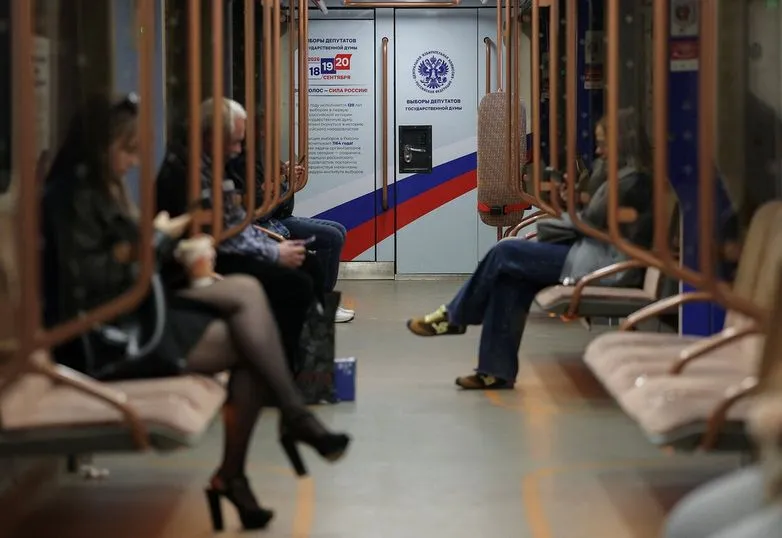
Three-day elections to the State Duma have begun in Russia. The first polling stations opened in Kamchatka and Chukotka, where, due to the time difference, voting began earlier than in other regions. The elections will continue until September 20.
Voting has begun in Russia for the elections to the State Duma of the ninth convocation. It will last three days—from September 18 to 20, 2026. These are the first parliamentary elections in Russia since the start of the full-scale invasion of Ukraine in 2022. Due to the time difference, polling stations first opened in Kamchatka and Chukotka. Voting there began at 8:00 a.m. local time.
At the same time, voting began even earlier in some remote regions of Russia. This refers to hard-to-reach settlements where early voting was organized. Separate early voting was also held for military personnel and people located in areas where it is difficult to ensure the normal operation of polling stations. According to Russian election authorities, as of September 17, more than 11,500 people had already voted in Kamchatka. About 5,100 of them voted at sea, and another approximately 6,500 voted on land. In Chukotka, according to the local election commission, more than 4,000 people have already cast their ballots. Among them are geologists, meteorologists, reindeer herders, military personnel, and mining industry workers.
Who Is Running for the State Duma
Russia’s State Duma elects 450 deputies. Half of the seats are allocated through party lists, while another 225 deputies are elected in single-member districts. This year, 11 parties were initially registered on the federal ballot. However, in August, the Russian Supreme Court revoked the registration of the “Yabloko” party’s federal list. An appeal did not overturn this decision.
The Russian Supreme Court justified its decision by citing violations related to the party’s election campaign, specifically the use of intellectual property and financing issues. The “Yabloko” party itself is challenging this decision and claims that its exclusion from the election was unlawful. In September, the party also appealed to the Russian Constitutional Court. As a result, ten parties are effectively participating in the election. Among them are “United Russia,” the Communist Party of the Russian Federation (CPRF), the Liberal Democratic Party of Russia (LDPR), “Fair Russia—For Truth,” and “New People.”
Voting in the Occupied Territories of Ukraine
A distinctive feature of the current elections is that Russia is also organizing voting in the temporarily occupied territories of Ukraine. These include parts of the Donetsk, Luhansk, Zaporizhzhia, and Kherson regions. Back in June, the Russian Central Election Commission decided to hold State Duma elections there. Ukraine does not recognize these elections as legitimate. The holding of Russian elections in the occupied Ukrainian territories has also drawn international criticism.
The current State Duma has been in office since 2021. The new parliament will be elected based on the results of the vote, which will conclude on September 20. The elections are taking place against the backdrop of Russia’s full-scale war against Ukraine. Russian President Vladimir Putin recently called on citizens to participate in the vote, describing it as a demonstration of support for the Russian military and state policy, according to Russian media reports.
The Verkhovna Rada of Ukraine has called on the parliaments and governments of foreign states, international organizations, and parliamentary assemblies not to recognize the results of the so-called elections to the Russian State Duma, which Russia plans to hold in the temporarily occupied territories of Ukraine. Resolution No. 16077 was passed by 264 members of parliament.


