
The gasoline shortage has worsened again in Russia
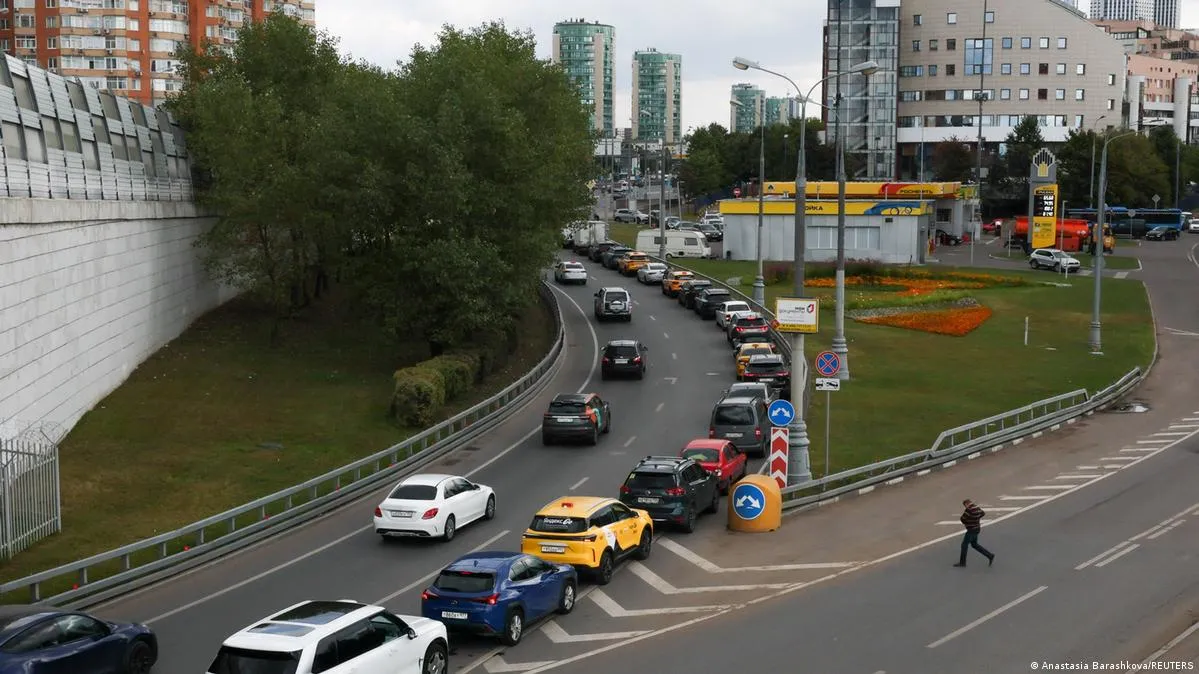
Gasoline production in Russia fell to about 70% of domestic consumption levels by the end of August. This was caused by the shutdowns of major oil refineries following drone attacks, which led to renewed fuel shortages in Russian regions.
In late August, the Russian fuel market once again faced a serious gasoline shortage. According to calculations by Reuters industry sources, gasoline production fell to approximately 80,000 metric tons per day. This is only about 70% of the average gasoline consumption in Russia, which during the summer months is approximately 115,000 metric tons per day.
The main cause was Ukrainian drone attacks on Russian energy infrastructure. Due to the strikes, major oil refineries were forced to shut down or limit operations.
Several large refineries have shut down
In the past week alone, Permnefteorgsintez, NORSI, and Yaroslavnefteorgsintez, among others, came under attack. These are large enterprises that produce significant volumes of automotive gasoline. Their shutdown immediately affected overall production volumes.
On average in August, Russian refineries produced about 90,000 metric tons of gasoline per day. This is approximately 80% of the estimated domestic market demand. And following the emergency shutdown of several plants this week, the gap between production and market demand has widened to about 35,000 metric tons per day. In fact, the situation has returned to nearly the same level as in early July. That was when Russia was at the peak of the first wave of the fuel crisis, which began back in May. The Russian Ministry of Energy did not comment on the situation when contacted by Reuters.
Regions Are Again Restricting Gasoline Sales
Russian regions are already feeling the shortage. By the end of July, the situation had improved somewhat. In some regions, local authorities began gradually lifting or easing restrictions on gasoline sales. But in August, the problems returned.
Various regions of Russia are once again imposing restrictions on fuel sales. In some places, limits are being set on the amount of gasoline that can be purchased at one time, while in others, fuel is being dispensed based on the even or odd number of a car’s license plate. Due to the risk of long lines at gas stations, some drivers have started using their cars less and postponing trips unless they are necessary. This slightly reduces demand and helps the authorities keep the shortage in check.
Russia Is Forced to Increase Imports
To compensate for the shortfall in domestic production, Russia has begun purchasing more petroleum products abroad. According to market participants’ estimates, seaborne shipments of petroleum products from Asian countries will total approximately 270,000 metric tons in August. Gasoline imports from Belarus are increasing separately. In August, they could reach about 150,000 metric tons, or roughly 5,000 metric tons per day.
Overall, according to traders’ estimates, Russia has already received about 220,000 metric tons of imported gasoline in August. This averages out to about 7,000 metric tons per day. At the same time, Russia has banned gasoline exports until January 31. In this way, the authorities are trying to reserve more fuel for the domestic market. Taking imports into account, total gasoline supplies to the Russian market in August may average about 97,000 metric tons per day. This is only about 85% of demand.
Why the Shortage Hasn’t Become Even Worse Yet
The situation is partly mitigated by falling demand. Many Russian drivers are trying to avoid driving unless absolutely necessary, as they do not want to wait for hours in lines at gas stations or risk running out of fuel.
In other words, Russia is effectively offsetting part of the shortage not by increasing production, but by reducing consumption. At the same time, this does not solve the main problem. If large refineries continue to be idle, the gap between production and market demand could widen.
Attacks on refineries are intensifying pressure on the fuel market
Ukraine has recently intensified its strikes against Russian energy infrastructure. One of the goals of these attacks is to reduce Russia’s ability to generate revenue from oil and to make it more difficult for Russia to support its own economy and military. In the case of gasoline, the consequences are already evident in the domestic market.
At the same time, Russia has lost part of its production capacity, forcing it to increase imports and restrict fuel sales to the public. For now, the government is trying to manage the situation through imports, export bans, and demand restrictions. But if attacks on oil refineries continue, it will become increasingly difficult for the Russian market to meet its gasoline needs.
As a result, by the end of August, Russian gasoline production had fallen to approximately 80,000 metric tons per day, while the domestic market requires about 115,000 metric tons. Imports partially bridge this gap, but Russia has not yet been able to fully offset the decline in its own production. This is reported by Russian media.
The Russian economy is unlikely to replicate the rapid growth of 2023–2024 in the coming years. According to a forecast by the HSE Development Center, Russia’s GDP will grow by no more than 2% per year through 2032, and economists attribute this scenario to problems with investment, technology, and human resources.


