
A group of Ukrainians has filed a lawsuit against US tech companies over their chips in Russian weapons
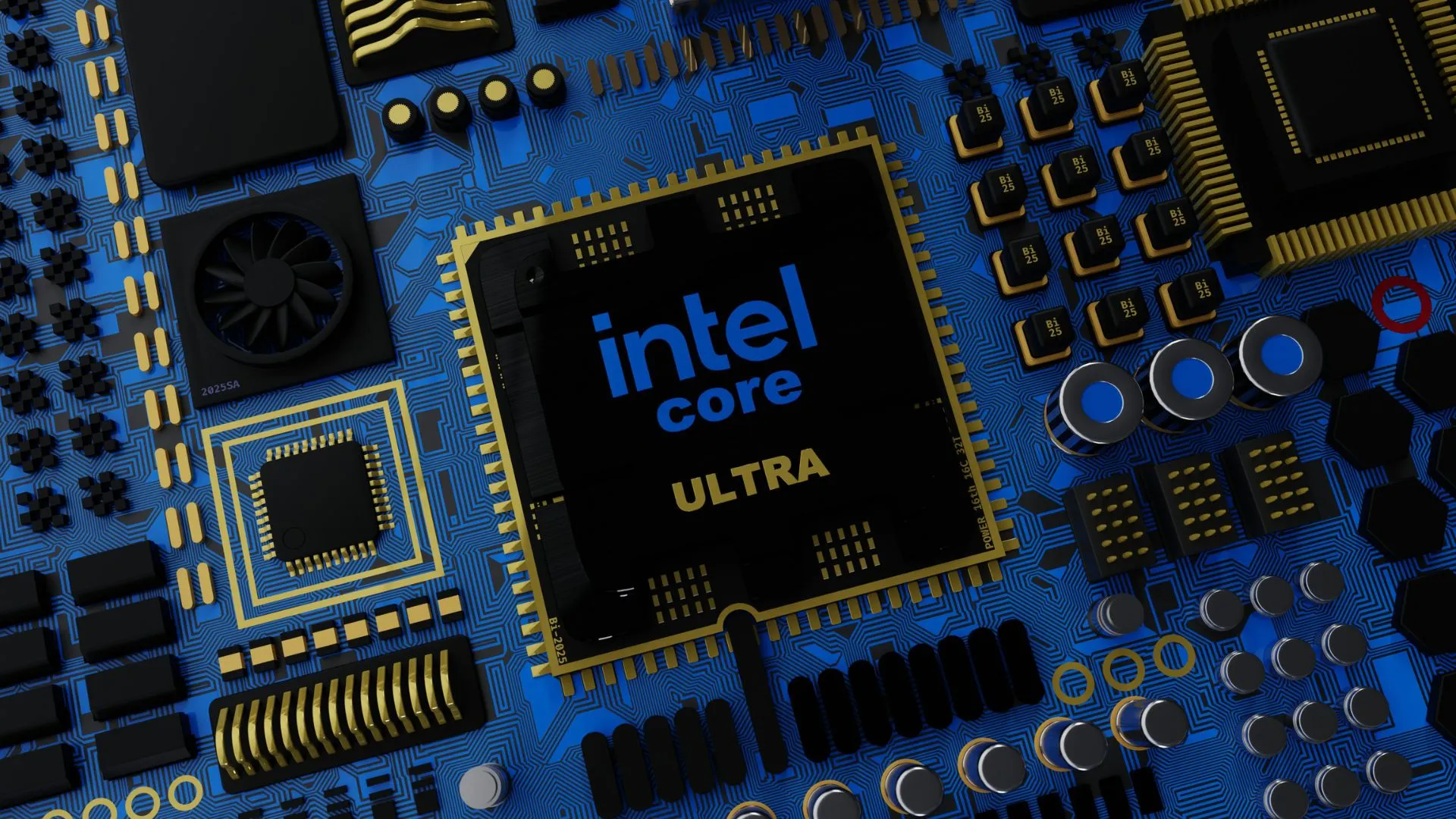
Four leading U.S. technology companies have filed a motion to dismiss lawsuits brought by five Ukrainian citizens who accuse them of involvement in the use of microchips in Russian missiles. The plaintiffs claim that components from these companies may have been used by Russia to strike civilian infrastructure in Ukraine. Meanwhile, the corporations deny any responsibility in these cases.
This is reported in The Dallas Morning News.
The case is currently being heard by a federal district court in Dallas, Texas, and the defendants are four large and well-known companies: Texas Instruments (TI), Intel, Advanced Micro Devices (AMD), and Mouser Electronics, which are among the key players in the semiconductor market. Ukrainians have filed lawsuits in U.S. courts over the loss of loved ones or injuries sustained during attacks on playgrounds and hospitals.
The plaintiffs also include residents of a school dormitory who were affected. The lawyers claim that components from these specific brands were found in Russian weapons. The plaintiffs insist on the manufacturers’ liability and believe that the companies sold the equipment to third parties. These intermediaries, in turn, transferred it to the aggressor. The firms allegedly knew about such risks or should have foreseen them.
“The chips are ours, but we didn’t plan the attacks”
Corporate lawyers are demanding the case be dismissed, calling the Ukrainians’ claims unprecedented. In their view, American factories cannot be held liable for foreign wars, and the court has already dismissed some of the lawsuits, including due to the statute of limitations.
“These lawsuits ask the court to do something essentially unprecedented in American tort law: hold American manufacturers liable for foreign military operations in which they did not participate in the planning or execution. U.S. companies are not liable for Russian attacks, and plaintiffs cannot use Texas law to privately enforce federal laws on export controls and foreign policy,” the defendants’ statement reads.
The companies expressed “deep sympathy for the victims,” but they emphasized that Ukrainian citizens do not have the right to seek justice in U.S. courts specifically regarding the airstrikes. This is a matter of foreign policy, not private lawsuits.
Tort law is a body of legal rules governing non-contractual obligations regarding compensation for property damage or emotional distress caused by one person to another. It protects the personal, non-property, and property rights of citizens and organizations.
Overall, the tech giants have hired an entire army of well-known lawyers in Texas and the U.S. to defend their interests and avoid being found guilty of supplying chips and microchips to Russia, and, as a result, avoid paying compensation to victims from Ukraine.
The defense argues that Russia had legal access to many of these components. This occurred prior to the imposition of strict sanctions in 2022. The lawyers also emphasized that semiconductors are manufactured by hundreds of companies worldwide.
Furthermore, the tech giants’ lawyers argue that the Ukrainian plaintiffs failed to provide specific facts: they did not specify which exact components were in the specific missile. Another argument is the statute of limitations. The tech giants believe the Ukrainians filed their claims too late.
The Ukrainians’ lawyers compared the case to other instances of harm. In their view, tort law applies the same way. This applies to the opioid crisis and even a dog bite. If a manufacturer ignored “warning signs,” they must be held accountable.
Representatives of the plaintiffs stated the following:
“There is nothing unprecedented in the plaintiffs’ allegations: tort law typically holds defendants liable for foreseeable harm caused to foreseeable plaintiffs, regardless of whether the wrongful conduct is as simple as a dog bite or as complex as fueling opioid addiction by ignoring warning signs regarding end users.”
Regarding the statute of limitations, the Ukrainian side also has an explanation. They only learned of the chips’ origin in September 2024. Prior to that, the companies allegedly made false statements. Fraudulent concealment of information deprives the defense of the right to invoke the statute of limitations.
As a reminder, Russia plans to create its own AI chips by 2030.
Russia’s budget is cracking under the strain of the war with Ukraine, according to ISW.
Meanwhile, production and sales of agricultural machinery have plummeted in Russia.
After three years of unexpected economic growth, Russia is facing a sudden slowdown—war costs, inflation, and falling oil prices have begun to weigh on an economy that until recently seemed resilient to sanctions.
Consumer lending in Russia has fallen to a six-year low.


