
Ukrainians are among the top ten buyers of real estate in Spain
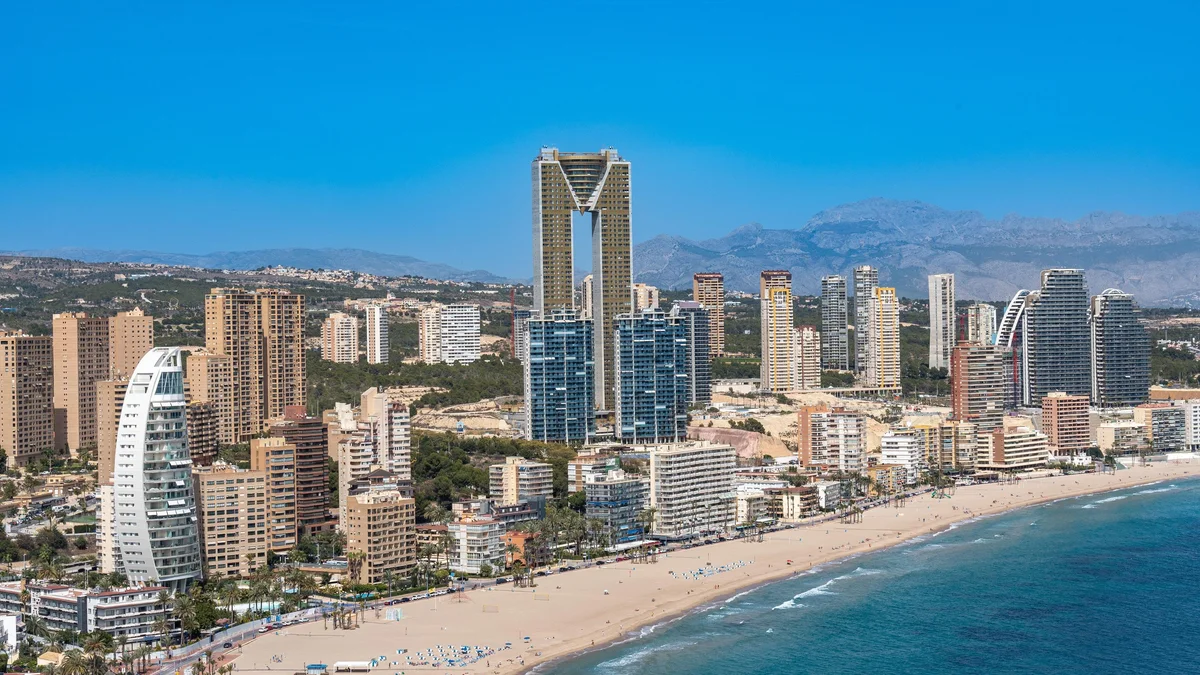
Ukrainians ranked tenth among foreign buyers of real estate in Spain. In the first quarter of 2026, Ukrainian citizens purchased approximately 765 properties—accounting for 3.08% of all transactions made by foreign buyers. By this measure, Ukrainians outpaced citizens of the United States, China, and Russia.
Spain remains one of the most popular destinations for foreigners looking to buy a home abroad. Moreover, demand from foreign buyers continues to grow even as real estate prices in the country rise.
According to data from Spanish property registries, foreigners purchased more than 51,600 residential properties in the first quarter of 2026. This is approximately 4% more than during the same period last year and one of the highest figures on record. Overall, foreigners accounted for about 13.9% of residential property purchases in Spain during the first quarter.
Among all foreign buyers, Ukrainians ranked 10th. Ukrainian citizens accounted for 3.08% of transactions, or approximately 765 purchases over three months. This means that there were more Ukrainians among buyers than citizens of China and Russia. According to available data from the ranking, Chinese buyers accounted for 2.69% and Russians for about 2.5% in the first quarter. Ukraine also outpaced a number of other countries in terms of the number of transactions, including the United States, Sweden, and Ireland.
Who Buys the Most
British citizens remain the leaders in the Spanish market. In the first quarter of 2026, they accounted for 6.82% of all home purchases by foreigners. Dutch citizens took second place with a share of 6.56%. Next came Morocco at 6.21%, Germany at 6.09%, and Italy at 5.54%. France, Romania, Poland, Belgium, and Ukraine also made the top ten.
Interestingly, the composition of foreign demand in Spain is gradually changing. British buyers still remain the largest group, but their share has decreased significantly over the past ten years. At the same time, buyers from the Netherlands, Morocco, Poland, Italy, and other countries have become more active in purchasing real estate. In other words, the Spanish market has long since ceased to depend solely on buyers from just a few traditional countries. There is an increasing diversity of nationalities among foreign buyers, and Ukrainians have become a notable part of this market.
Foreigners are buying more, even as the overall market slows down
There is another important detail. Foreign demand for housing is growing against the backdrop of a more challenging situation in the overall real estate market. In the first quarter, the total number of housing transactions in Spain declined slightly. At the same time, foreign demand, on the contrary, strengthened both in terms of the number of purchases and its share of the overall market.
According to data from Spanish registries, 178,096 residential property transactions were registered in the first quarter. This is 0.1% less than the previous quarter, although the figure remains very high—at a level not seen since 2007. In fact, foreigners are becoming an increasingly important part of the Spanish market. For many buyers, a home in the country is not just a vacation spot, but also an investment or a way to establish a foothold in Spain.
Particularly strong interest in real estate is observed in regions popular among foreigners. These include the Balearic Islands, the Valencian Community, the Canary Islands, and Murcia. In some of these regions, foreigners account for more than one-fifth of all home purchases.
Housing in Spain is becoming increasingly expensive
At the same time, those looking to buy an apartment or house in Spain must factor in rising prices. According to data from the Spanish Association of Registrars, the average price per square meter of housing in the first quarter of 2026 rose by 3.2% quarter-over-quarter and by 8.9% year-over-year. Prices are rising not only due to strong demand. The market is also affected by a shortage of affordable housing, especially in popular tourist and coastal areas.
For foreigners, this means one simple thing: buying a home in Spain is now more expensive than it was a few years ago. But even that isn’t deterring buyers from abroad. Against this backdrop, Ukrainians remain one of the most prominent groups. With 3.08% of all purchases made by foreigners, this is no longer a coincidence but a spot among the top ten largest buyer groups.
Ukrainians Have Surpassed Russians
It’s worth noting the difference between Ukrainian and Russian buyers. Ukrainians purchased about 765 residential properties in the first quarter, while the share of Russians was noticeably smaller. In the ranking of foreign buyers, Ukrainians took tenth place, while Russians lagged far behind.
Market reports also note that the number of purchases by Russian citizens is declining. In the first half of the year, Russians purchased fewer than 1,000 properties, and the annual figure decreased by more than 20%. Thus, Ukrainians are not only remaining active buyers of Spanish real estate but are also significantly outpacing Russians in the number of transactions.
Why Spain Attracts Foreigners
Spain’s popularity among foreign buyers can be attributed to several factors. The country has a warm climate, numerous resort towns, well-developed infrastructure, and a wide selection of housing. For some people, an apartment in Spain is a second home. Others buy real estate as an investment or plan to move there in the future. At the same time, buyers should keep in mind that purchasing a home does not automatically grant the right to permanent residency in the country. Separate immigration rules apply to foreigners, and after purchasing real estate, there are also taxes, registration fees, maintenance costs, and other payments to consider.
Despite this, interest in Spanish real estate shows no signs of waning. Statistics from 2026 clearly demonstrate this: foreigners continue to actively purchase homes, and Ukrainians are already among the top ten most active buyers. This is reported by open4business,
Spanish Defense Minister Margarita Robles stated that the issue of sovereignty over Ceuta and Melilla is not up for discussion. This was Madrid’s response to Morocco’s latest territorial claims regarding the two Spanish enclaves.




