
People under power lines in Ejisu given 30 days to vacate — MyJoyOnline
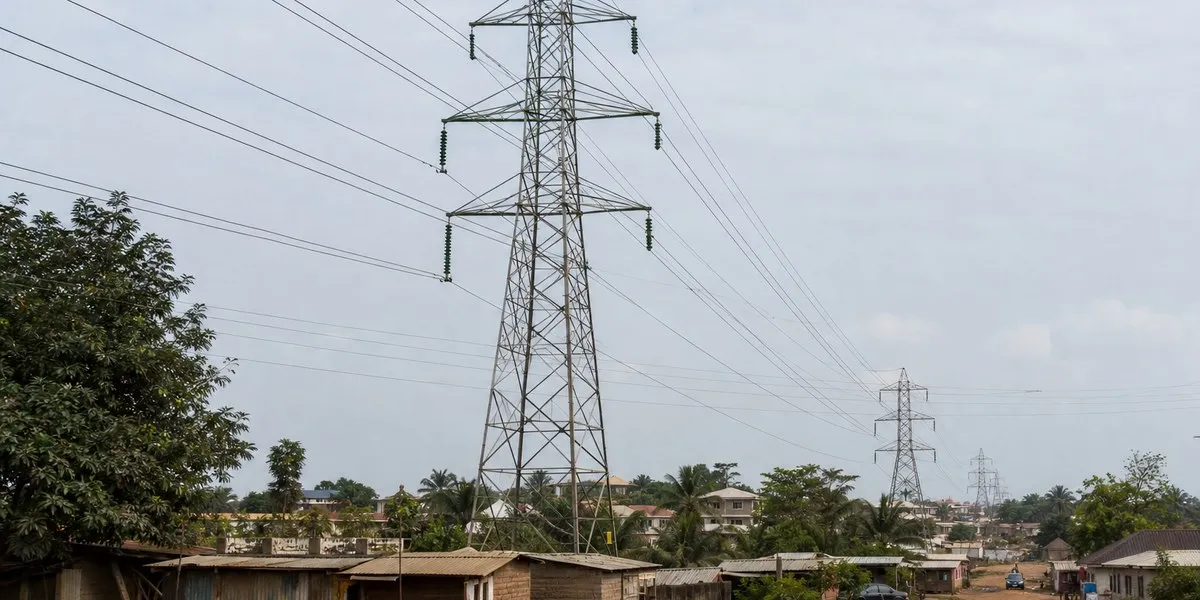
Ghana Grid Company Limited (GRIDCo) has launched an awareness campaign and the eviction of people from areas beneath high-voltage power lines in Ejisu, Ghana. Residents, traders, artisans and commercial drivers who live or work directly beneath or near the lines have been given 30 days to voluntarily vacate the area, MyJoyOnline reports.
Reasons for the decision
GRIDCo is conducting the campaign in the Ashanti Region together with relevant government agencies. Its goal is to remove human activities and structures from the high-voltage line corridor, as the company believes that presence in this area creates serious safety risks.
GRIDCo Land Director Bismark Anane linked the decision to a recent fuel tanker explosion in Ashaiman, in the Greater Accra Region. According to him, parts of the tanker struck one of the company’s line towers after the explosion and left a dent in it. Anane also said that following the incident, the energy minister issued a directive to clear electricity transmission line corridors.
More current news is available on the UA.News Telegram channel Telegram.
GRIDCo stressed that people’s activities near high-voltage lines can lead to electrocution, fires and large-scale power outages. The company noted that continued occupation of the corridor also threatens infrastructure and complicates safe access for maintenance and emergency repairs.
Compensation and people’s reaction
GRIDCo representatives explained that compensation will not automatically be granted to everyone affected by the eviction. It may be considered for people who provide proper documents confirming their legal rights to the land they occupy. Those who settled on the land without legal grounds or official documents cannot claim compensation, the company said.
Some residents said they were ready to comply with the requirement but asked GRIDCo and the authorities to provide alternative places to relocate before evictions or the demolition of structures begin. Some people claim that the Ejisu Municipal Assembly had allowed them to live and work in the area for years and had also collected fees from them. Others say they occupied the plots before the lines were installed and therefore ask for their circumstances to be considered on humanitarian grounds.


