
On September 30, Flydubai Flight FZ1073, which was flying from Dubai to Tel Aviv, made an emergency landing in Tabuk, Saudi Arabia, following a serious incident in the cockpit. During the flight, the Boeing 737 transmitted distress signals, and the plane lost altitude rapidly. Israeli Prime Minister Benjamin Netanyahu stated that the co-pilot attacked the captain with a knife and attempted to crash the plane.
According to Netanyahu, passengers, along with a crew member, were able to enter the cockpit and subdue the attacker. The plane was stabilized and landed in Tabuk. No passengers were injured; the attacker was detained after landing, and the Saudi Arabian authorities are investigating the circumstances and motives behind his actions. Flydubai confirmed the plane’s safe landing and reported that it is cooperating with the relevant authorities. Israeli officials are considering the possibility of a deliberate attack, though the final conclusions of the investigation have not yet been released.
This incident has once again demonstrated how seriously modern aviation takes even the earliest signs of unlawful interference with aircraft control. These rules did not arise by chance. In the second half of the 20th century, hijackings of passenger airliners became so widespread that some crises lasted for days, with planes flying between several countries and hundreds of passengers held hostage in political negotiations.
UA.News recounts the most famous passenger plane hijackings—who was behind the attacks, what the hijackers demanded, how the authorities responded, and how these stories ultimately ended.
In 1970, militants hijacked several passenger planes simultaneously
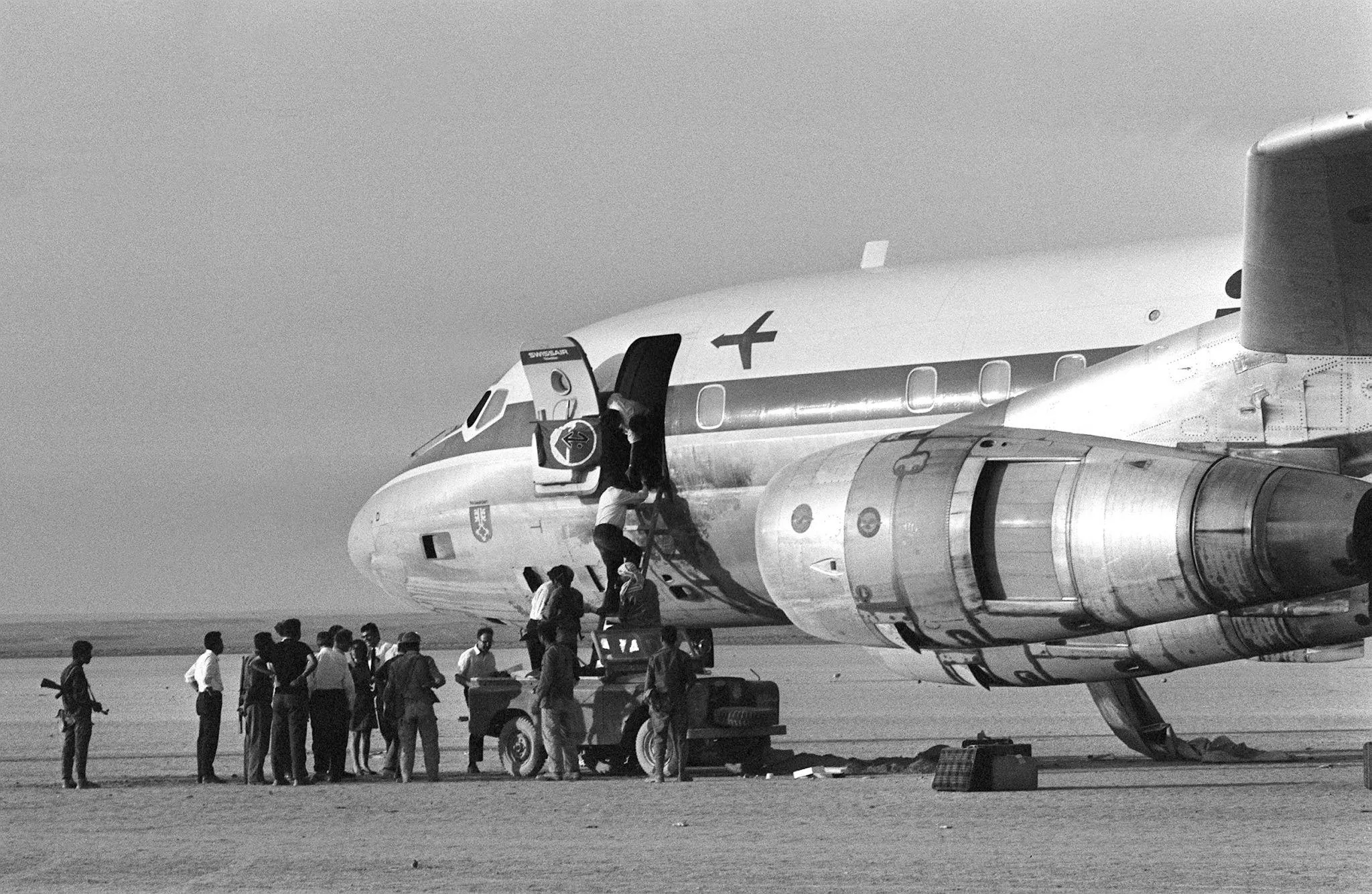
One of the largest aviation crises was a series of hijackings in September 1970. Members of the Popular Front for the Liberation of Palestine organized nearly simultaneous attacks on several international flights.
The hijackers forced planes operated by the American airline TWA and the Swiss airline Swissair to land at Dawson’s Field—a former military airstrip in the Jordanian desert. Another Boeing 747 operated by Pan American Airlines ended up in Cairo, where it was blown up after the passengers had been evacuated.
According to documents from the U.S. State Department’s historical archives, the hijackings quickly escalated into an international crisis. The United States, the United Kingdom, West Germany, Switzerland, Israel, and Jordan were all involved in the negotiations.
The hijackers demanded the release of Palestinian militants being held in various countries. Hundreds of passengers were among the hostages, although some of the women and children were gradually released. On September 12, the militants led the people out of the hijacked planes, after which the three airliners were blown up in front of television cameras. The hostages themselves were elsewhere at that time.
As a result, most of the people were freed following negotiations and prisoner exchanges. However, the consequences extended far beyond the aviation sector. The presence of Palestinian armed groups in Jordan and the standoff over the hostages became part of a broader crisis that escalated that same month into hostilities between King Hussein’s government and Palestinian organizations.
The seizure of Dawson’s Field demonstrated that hijacking an airplane might not be an isolated attack, but rather part of a large, coordinated operation capable of simultaneously dragging several countries into a crisis.
D.B. Cooper received $200,000 and jumped from the plane with a parachute
Not all known airplane hijackings were politically motivated. On November 24, 1971, a man who identified himself as Dan Cooper—and later became known as D.B. Cooper—purchased a ticket for Northwest Orient Airlines Flight 305 from Portland to Seattle.
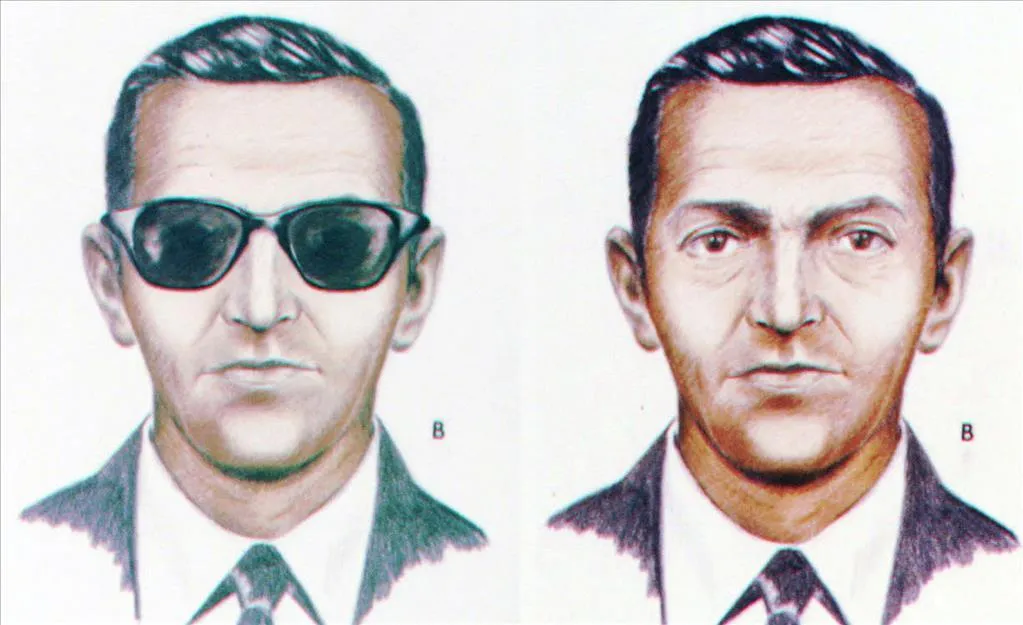
After takeoff, he handed a note to a flight attendant and claimed he had a bomb. His demands were simple: $200,000 in cash and four parachutes. The authorities decided to comply with his demands. After landing in Seattle, Cooper was given the money and parachutes, and he allowed the passengers to leave the plane.
The Boeing 727 took off again. Cooper ordered the pilot to fly south at a low altitude and reduced speed. Somewhere between Seattle and Reno, he opened the rear door of the plane and jumped out at night with a parachute, taking the money with him. When the plane landed, the hijacker was no longer on board.
The FBI launched a massive investigation. They checked hundreds of suspects and reviewed thousands of reports, but they were never able to definitively identify Cooper. In 1980, a boy found some of the ransom bills near the Columbia River. Their serial numbers matched those of the money handed over to the hijacker.
However, it is not even known whether Cooper survived the jump. His body, parachute, and most of the money were never found. The case became one of the most famous unsolved crimes in FBI history.
In Entebbe, Israel sent special forces thousands of kilometers away to rescue hostages
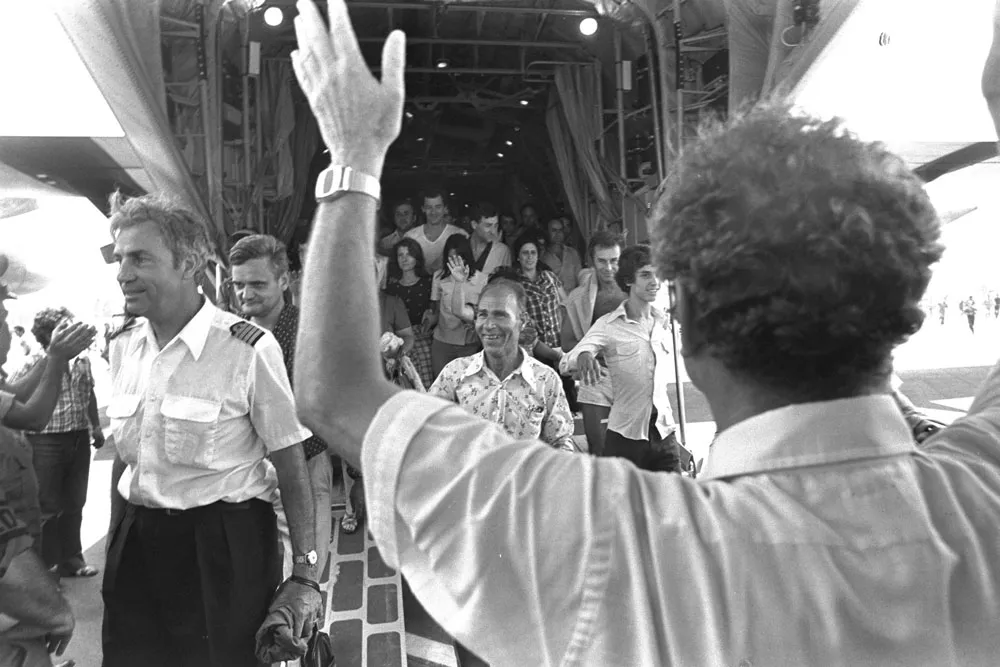
On June 27, 1976, Air France Flight 139 departed from Tel Aviv for Paris with a layover in Athens. After taking off from Greece, the plane was hijacked by four attackers—two members of the Popular Front for the Liberation of Palestine and two German radicals.
They forced the crew to change course. The Airbus A300 first flew to Libya and then to Entebbe Airport in Uganda. According to the Israeli Knesset, there were about 260 passengers and crew members on board at the start of the crisis. The hijackers demanded the release of dozens of imprisoned militants.
Some of the passengers were later released. Meanwhile, the Israeli hostages and some of the others continued to be held in the old terminal building at Entebbe. The Israeli government faced a choice: agree to an exchange or attempt a rescue operation nearly 4,000 kilometers from its territory.
While diplomatic talks were ongoing, the military was developing a plan for an assault. Declassified Knesset documents show that on July 3, the plan was presented to the Israeli government and received unanimous approval. On the night of July 3, Israeli military transport planes delivered special forces to Entebbe. The troops stormed the terminal, neutralized the hijackers, and freed more than a hundred hostages.
Three hostages and the commander of the Israeli unit, Yonatan Netanyahu, were killed during the operation. Another female hostage, who had been taken to a hospital in Uganda before the assault, was later killed. The Entebbe operation became one of the most famous examples of the forceful rescue of passengers from a hijacked plane.
“Landshut”: The Hijacked Plane Flew Between Different Countries for Five Days
On October 13, 1977, a Lufthansa Boeing 737 named Landshut was flying from Palma de Mallorca to Frankfurt when it was hijacked by four Palestinian militants.
At that time, West Germany was in the midst of the so-called “German Autumn”—a campaign of attacks and kidnappings linked to the radical left-wing “Red Army Faction,” or RAF. According to records from the German Federal Archives, there were 86 passengers and five crew members on board the Landshut. The hijackers’ goal was to increase pressure on the German authorities, who refused to release imprisoned RAF members.
Over the next five days, the Boeing flew from country to country. It stopped in Rome, Larnaca, Bahrain, Dubai, and Aden. It was in Aden that one of the most tragic incidents occurred. The aircraft’s captain, Jürgen Schumann, left the plane to inspect the landing gear and attempt to contact local authorities. Upon his return, the leader of the hijackers killed him.
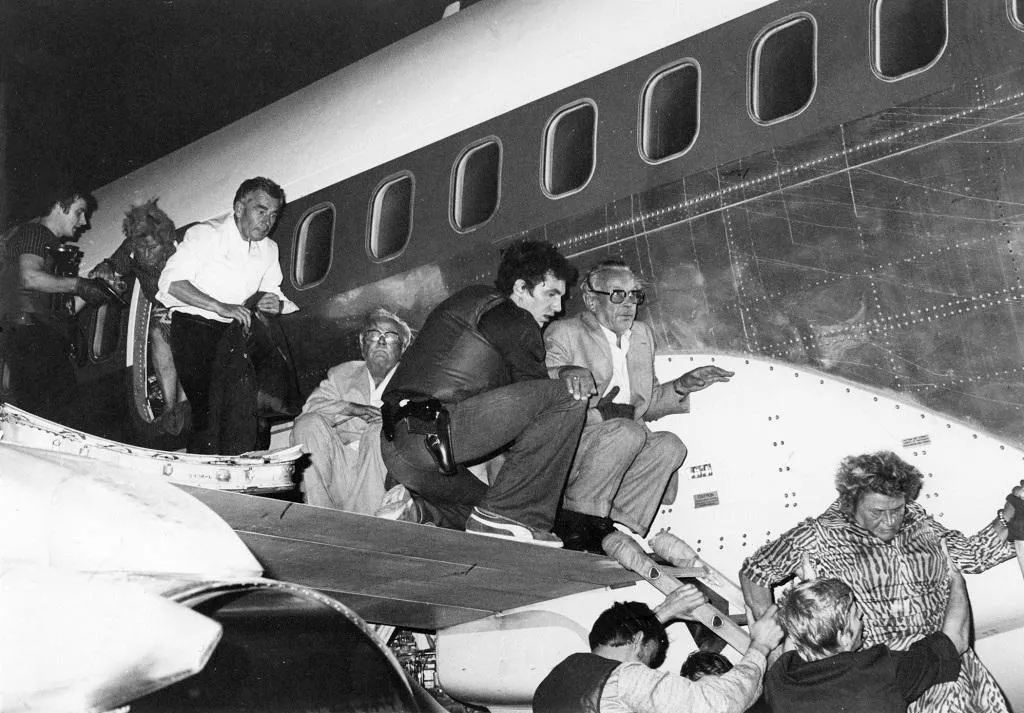
After that, the plane headed for Mogadishu, Somalia. The German government refused to comply with the hijackers’ demands. Instead, members of the GSG 9 special forces unit were sent to Somalia.
On October 18, the special forces stormed the plane. The hostages were freed, and three of the four hijackers were killed. The operation lasted only a few minutes. The success in Mogadishu made GSG 9 one of Europe’s most famous counterterrorism units.
TWA 847: Hostages Were Shuttled Between Beirut and Algiers for 17 Days
On June 14, 1985, a Boeing 727 operating as TWA Flight 847 took off from Athens bound for Rome. Shortly after takeoff, it was hijacked by two armed men carrying pistols and grenades. According to FBI reports, the standoff lasted 17 days. The plane was forced to fly back and forth between Beirut and Algiers several times, and a total of 153 passengers and crew members were caught up in the crisis.
The hijackers demanded the release of hundreds of Lebanese nationals being held in Israeli prisons. Passengers were threatened, and some were beaten. One of the hostages—23-year-old U.S. Navy sailor Robert Statham—was brutally beaten, then shot and his body dumped on the runway in Beirut.
Some of the people were gradually released. Others were taken off the plane and transported to various locations in Beirut. As a result, a potential assault on the Boeing itself could no longer guarantee the release of all the hostages.
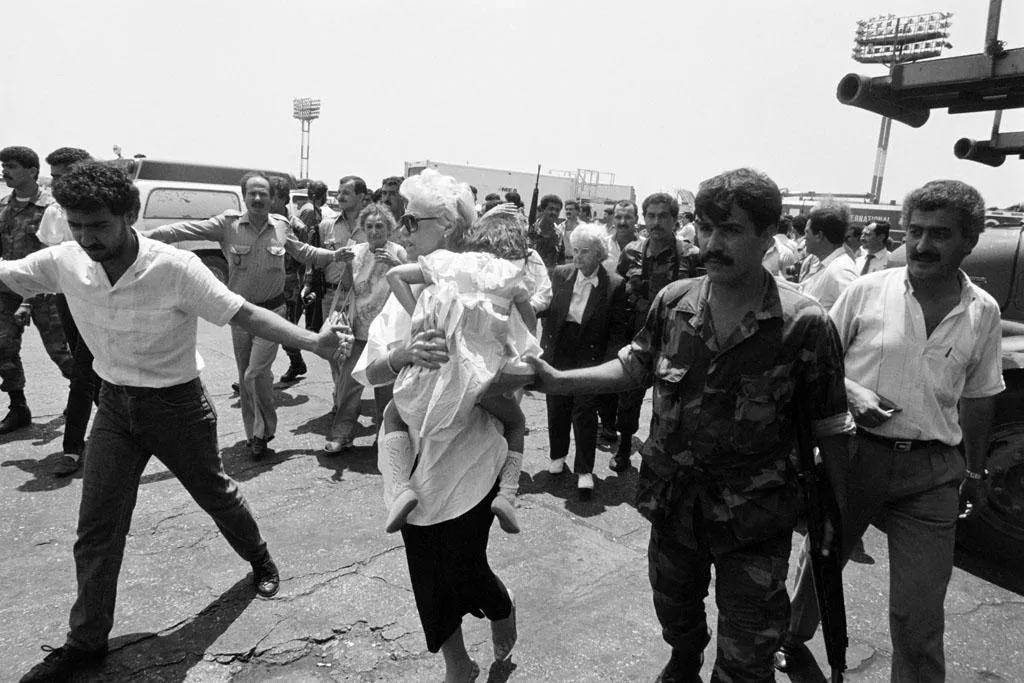
The U.S. and other parties moved to negotiations. Eventually, the remaining hostages were released. The investigation continued for many more years. One of the hijackers, Mohammed Ali Hamadeh, was arrested at Frankfurt Airport in 1987. A German court subsequently sentenced him to life in prison.
TWA Flight 847 highlighted one of the main challenges during such crises: if the hijackers manage to take the hostages off the plane, the chances of a forceful rescue are significantly reduced.
Pan Am Flight 73: The pilots abandoned the plane and prevented the hijackers from taking off
On September 5, 1986, Pan American Flight 73, a Boeing 747, was parked at Karachi Airport in Pakistan during a flight from Mumbai to New York. Four armed assailants forced their way onto the plane. U.S. law enforcement linked them to the Abu Nidal Organization.
One of the most critical moments was the flight crew’s reaction. The pilots managed to exit the Boeing through an emergency exit from the cockpit. As a result, the hijackers controlled the plane and hundreds of passengers, but they lacked the personnel capable of getting the massive Boeing 747 airborne.
The crisis lasted about 16 hours. When the lights in the cabin began to dim due to the auxiliary power supply running out, the hijackers concluded that the authorities were launching an assault and opened fire.
Panic ensued. Passengers tried to leave the plane through the emergency exits, while Pakistani security forces boarded the aircraft. According to official data from the U.S. Department of Justice, 20 people were killed, and more than 100 others were injured.
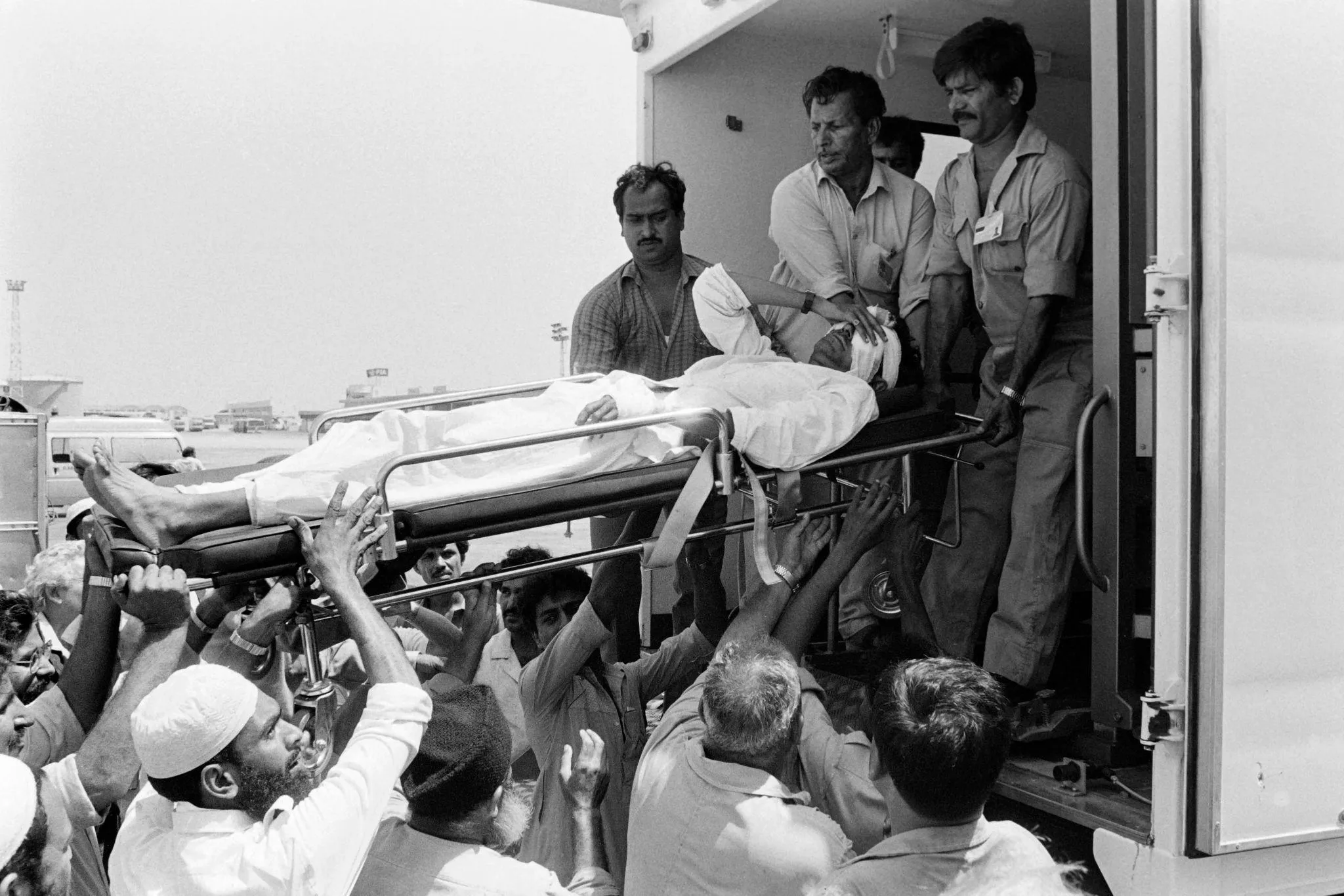
The FBI notes that the suspected perpetrators of the attack belonged to the Abu Nidal Organization. Some of the individuals whom the U.S. considers to have been involved in the hijacking had been on the wanted list for decades. The pilots’ decision to leave the cockpit effectively prevented the plane from being used for further flight. The Boeing was never able to leave Karachi.
IC-814: India Released Three Militants to Save the Passengers
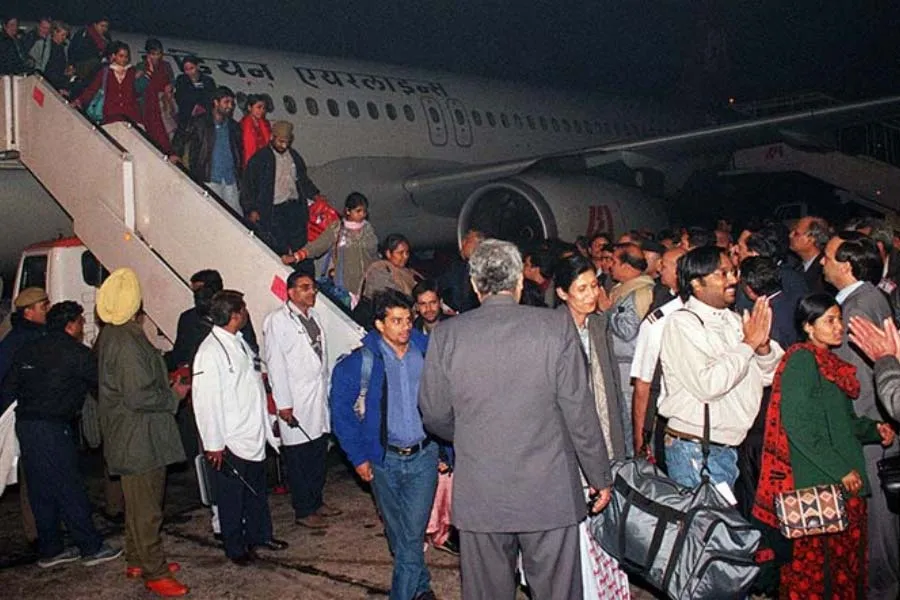
On December 24, 1999, Indian Airlines Flight IC-814 was flying from Kathmandu to New Delhi when it was hijacked by five men. The plane initially landed in Amritsar. From there, the hijackers forced the crew to fly to Lahore, and then, via Dubai, diverted the plane to Kandahar, Afghanistan, which was controlled by the Taliban at the time.
The hijackers demanded the release of imprisoned militants. Initially, the list of demands was much longer, but it was shortened during negotiations. For India, the situation was particularly difficult because the plane was not on its territory. It was practically impossible to carry out its own military operation in Kandahar without an agreement with the Afghan side.
Negotiations lasted several days. Ultimately, New Delhi agreed to release three prisoners in exchange for the hostages. Among them was Masood Azhar, who later became the founder of the Jaish-e-Mohammed group.
The passengers were released, and the attackers left Kandahar. India subsequently claimed that Pakistani citizens were involved in the hijacking and appealed to international law enforcement agencies to track them down. In an official response to the Indian Parliament in 2000, the government reported that it had provided Pakistan with evidence regarding the suspects and believed that the hijackers might be on Pakistani territory.
September 11 changed the very perception of airplane hijackings
On September 11, 2001, the hijacking of passenger planes ceased to be viewed merely as a scenario involving hostages, negotiations, and the hijackers’ demands. Four airliners, hijacked by members of al-Qaeda, were used as weapons against targets in the United States.
American Airlines Flight 11 and United Airlines Flight 175 crashed into the towers of the World Trade Center in New York. American Airlines Flight 77 struck the Pentagon. The fourth plane—United Airlines Flight 93—crashed in Pennsylvania after passengers and crew members attempted to regain control of the aircraft.
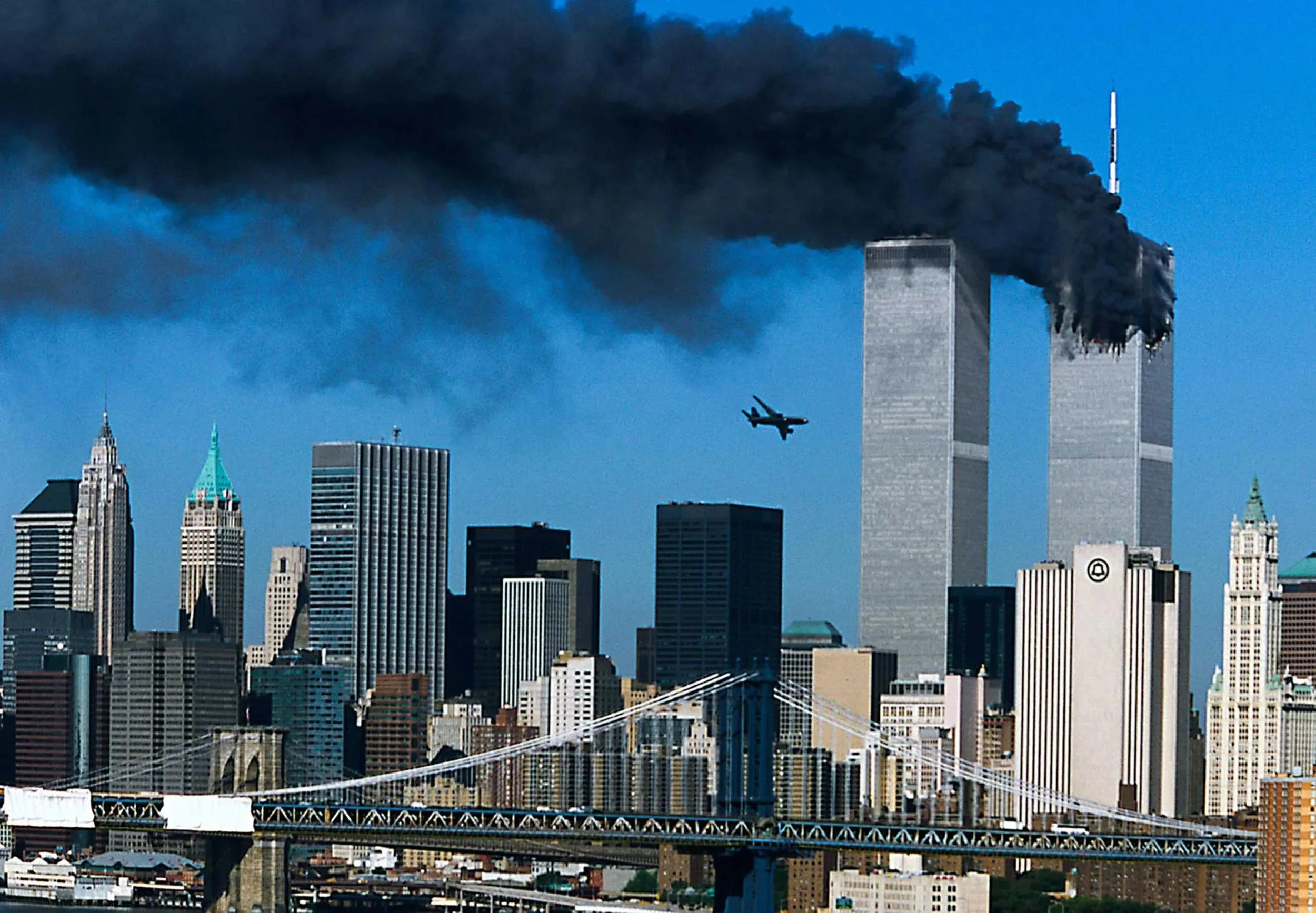
According to the National Commission on the September 11 Attacks, the attackers exploited several vulnerabilities in the aviation security system at the time. Access to the cockpit was much easier than it is today, and screening of passengers and carry-on luggage was conducted under different standards, and the response model itself was based on previous hijacking experiences, where the attackers’ goals were typically negotiations, ransom, or the release of prisoners.
That is precisely why the crews and passengers on the first hijacked planes could not immediately know that, this time, the attackers had no intention of negotiating. For civil aviation, this posed a fundamentally new threat: a hijacked plane could be not merely a means of pressure, but a weapon in its own right.
The story of Flight 93 was particularly telling. When passengers learned by phone about the other planes striking New York, they realized that their flight was likely also intended to be used in an attack. Some of the passengers decided to resist and attempted to break into the cockpit. The plane crashed near Shanksville, Pennsylvania, never reaching its likely target in Washington, D.C.
In total, 2,977 people died as a result of the September 11 attacks, not including the 19 attackers. This became the largest terrorist attack in U.S. history and an event after which aviation security regulations began to change not gradually, but systematically.
How Airplane Hijackings Changed Air Travel
The widespread hijackings of passenger planes in the 1960s–1980s, followed by major terrorist attacks, forced the aviation industry to effectively overhaul its entire security system. What today seems like a routine part of flying—metal detector walk-throughs, carry-on baggage checks, restricted access to restricted areas, and strict pre-boarding security checks—is largely a response to decades of attacks on civil aviation.
As recently as the 1960s, passengers could board a flight with minimal screening. A wave of hijackings forced airports to implement mandatory screening of passengers and luggage, metal detectors, and access controls to aircraft. At the same time, airlines and governments began developing special procedures in case of a hijacking, and in a number of countries, specialized counterterrorism units and armed security personnel were deployed on select flights.
The rules changed particularly drastically after the terrorist attacks of September 11, 2001. Prior to that, during an aircraft hijacking, the crew often assumed that the attackers intended to use the passengers as hostages and make demands. After hijacked airliners were used as weapons, the primary objective became preventing unauthorized persons from gaining access to the aircraft’s controls.
Cockpits began to be equipped with reinforced doors, which must remain locked during flight. Access to them became significantly more restricted, and procedures for crews were modified to make it as difficult as possible to seize control, even in the event of an attack in the passenger cabin.
As a result, classic airplane hijackings, typical of the 1960s–1980s, became much more difficult for attackers. However, passengers have effectively paid a different price for this—multi-tiered security checks, longer procedures at airports, strict baggage rules, and significantly less access to the aircraft and its cockpit.
As a result, modern air travel is vastly different from what it was half a century ago. Many of the rules that are now accepted as routine inconveniences before a flight were introduced in response to specific hijackings, explosions, and terrorist attacks. Each major attack exposed a weakness in the system, and aviation security sought to address it with a new rule.




